...

By Suzanne Blake
Reporter
0
Share
Newsweek is a Trust Project member
See more of our trusted coverage when you search.Prefer Newsweek on Googleto see more of our trusted coverage when you search.
A proposal that would send $3,000 direct payments to millions of Americans is gaining traction in Congress as supporters push to revive cash relief amid rising living costs.
The plan is part of the Make Billionaires Pay Their Fair Share Act, a sweeping proposal that would fund the payments through a new annual tax on billionaire wealth.
While the legislation has drawn endorsements from labor groups and progressive advocates, the list of lawmakers formally backing the measure remains relatively short, according to congressional records.
Read More on Politics
Why It Matters
Progressive lawmakers have been pushing direct cash payments as a way to offset rising living costs years after COVID-19 pandemic‑era stimulus checks expired.
Supporters argue that a $3,000-per‑person payment would provide immediate relief to households struggling with housing, health care, food and child care expenses, particularly as inflation continues to strain family budgets. However, the proposal would require a 5 percent annual wealth tax on billionaires.
...
What To Know
The following members of Congress are officially sponsoring the legislation tied to the $3,000 direct payments:
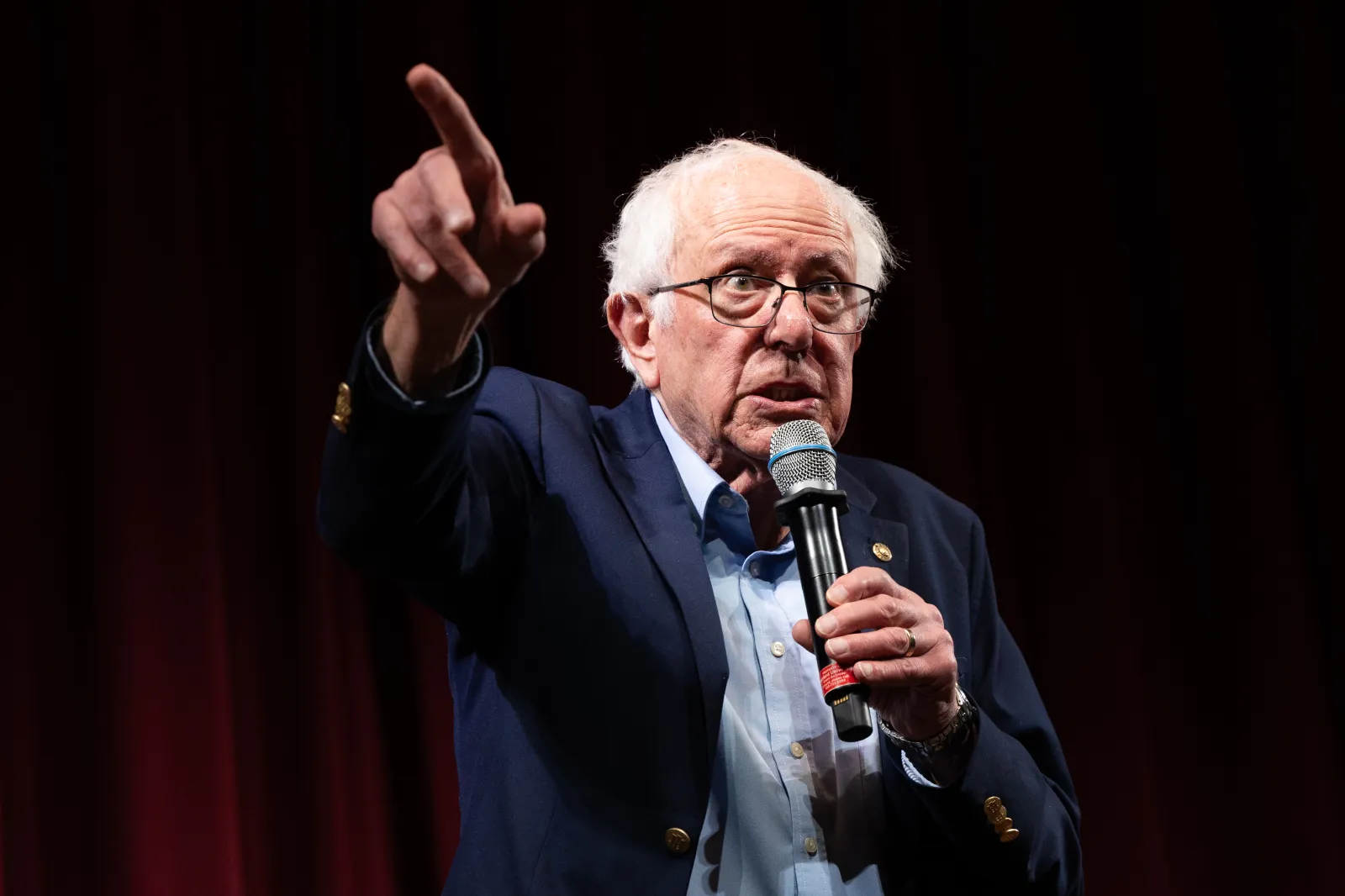
- Senator Bernie Sanders (Vermont independent)
- Representative Ro Khanna (California Democrat)
- Representative Seth Magaziner (Rhode Island Democrat)
- Representative Rashida Tlaib (Michigan Democrat)
The four are the only members of Congress currently listed as sponsors of the companion bills introducing the policy in the House and Senate.
“In a Republican-controlled Congress, a new billionaire wealth tax plus universal cash payments has long odds. It's more likely a messaging bill or negotiating marker than actual law,” Michael Ryan, finance expert and founder of MichaelRyanMoney.com, told Newsweek.
Under the plan, every individual living in a household earning $150,000 or less would receive a $3,000 direct payment in the first year. Because the benefit is calculated per person, a family of four could receive up to $12,000.
The payments would be funded by a 5 percent annual wealth tax on U.S. billionaires, targeting roughly 938 individuals with a combined net worth exceeding $8 trillion, according to the bill’s sponsors.
Sanders and Khanna argue that the proposal would provide immediate financial relief to families struggling with housing, health care, food and child care costs while shifting more of the tax burden onto the wealthiest Americans. The plan also includes expanded spending on Medicare, Medicaid, affordable housing and education, making the direct payments just one part of a broader economic package.
The proposal has also garnered an endorsement from National Nurses United, the largest nurses union in the country.
“Nurses see the fractures in our society as patients ration their care and make difficult decisions between food, rent, and health care,” the union said in a statement, arguing that billionaire wealth has grown while working families struggle with basic costs.
What People Are Saying
National Nurses United, in a statement this month: “This legislation begins to right the wrongs of our corrupt tax code, which has allowed the rich and corporations to hoard exorbitant amounts of wealth while the working class, whose labor creates that wealth, is forced to decide between paying for housing and food or prescription medications and health insurance.”
Michael Ryan, finance expert and founder of MichaelRyanMoney.com, previously told Newsweek: “Who it hits hardest? Families under $150K with multiple people in the household, plus ‘asset poor but income stable’ households where one time cash prevents credit card spirals or eviction.”
What Happens Next
Despite growing public attention, the legislation remains in its early stages. Neither the House nor Senate bill has advanced out of committee, and the absence of additional co-sponsors could signal political hurdles.
“The core insight is real: one-time payments to lower income households have higher velocity,” Ryan said. “They spend it immediately versus the same dollars going to higher earners, who tend to save or invest.”
In a polarized era, the center is dismissed as bland. At Newsweek, ours is different: The Courageous Center—it's not "both sides," it's sharp, challenging and alive with ideas. We follow facts, not factions. If that sounds like the kind of journalism you want to see thrive, we need you.
When you become a Newsweek Member, you support a mission to keep the center strong and vibrant. Members enjoy: Ad-free browsing, exclusive content and editor conversations. Help keep the center courageous. Join today.


View 0 Comments
Submit Correction
View Editorial & AI Guidelines