...

By Suzanne Blake
Reporter
0
Share
Newsweek is a Trust Project member
See more of our trusted coverage when you search.Prefer Newsweek on Googleto see more of our trusted coverage when you search.
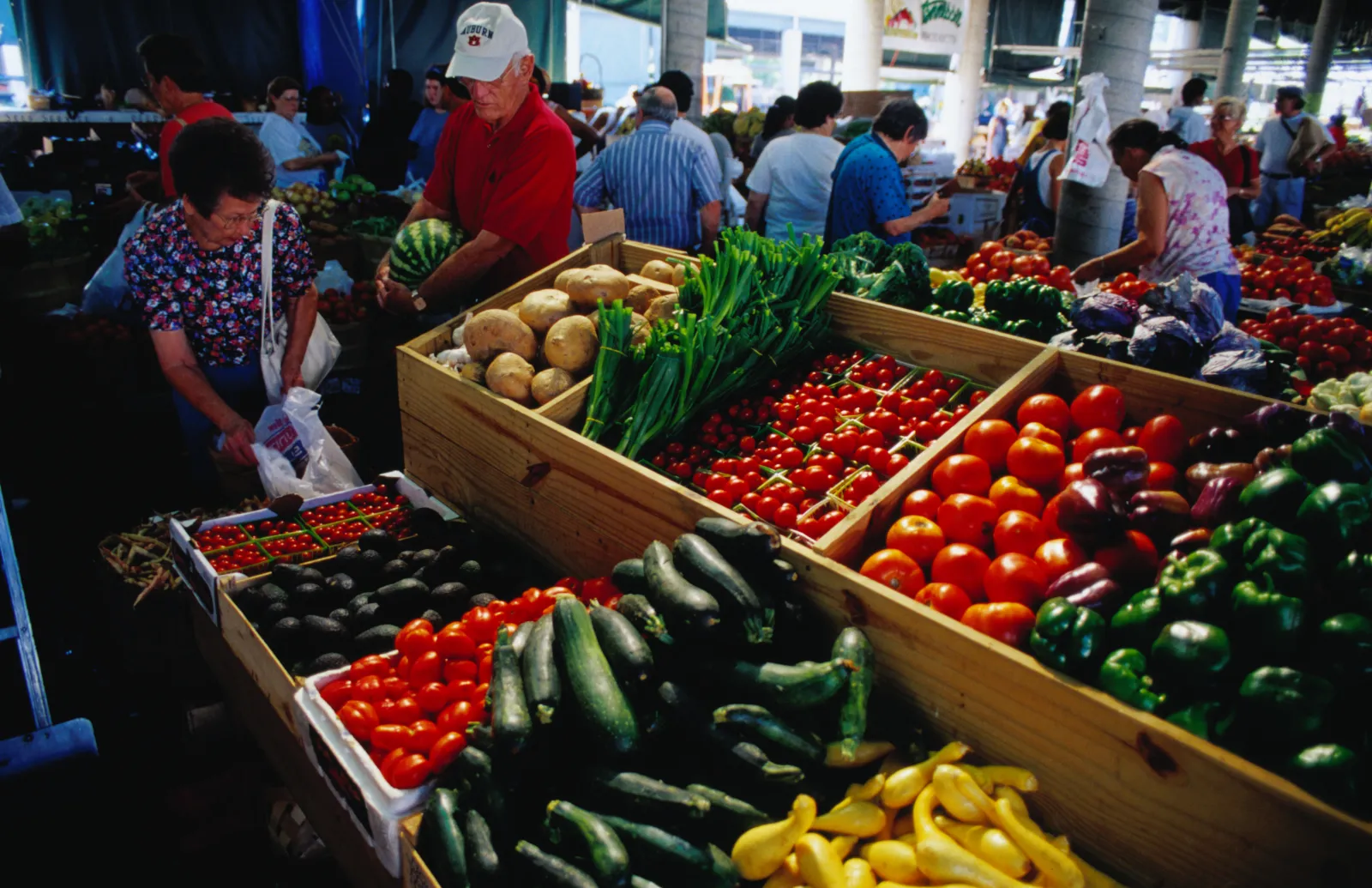
A new study from researchers at the University of Southern California (USC) has suggested that diets rich in fruits, vegetables and whole grains may possibly be linked to a higher risk of early‑onset lung cancer.
The study found this correlation specifically in younger people who have never smoked.
Health experts stress, however, the findings do not mean fruits and vegetables cause cancer and the overall benefits of eating produce still overwhelmingly outweigh any potential risks.
Read More on Health
Why It Matters
Fruits and vegetables are widely seen as essential to a healthy diet and key tools for cancer prevention, making this study’s findings especially striking.
At the same time, the research taps into a real and growing concern among scientists as to why lung cancer rates are rising in younger people who have never smoked, particularly women. If environmental exposures such as pesticides are contributing even indirectly, it could point to broader issues with agricultural practices, regulation and long‑term chemical exposure.
...
What To Know
The research, conducted by scientists at USC Norris Comprehensive Cancer Center, focused on an unusual and growing trend: rising lung cancer diagnoses among non‑smokers under age 50, particularly women.
Researchers analyzed data from the Epidemiology of Young Lung Cancer Project, which included 187 patients diagnosed with lung cancer before age 50, with women accounting for 78 percent of the cohort. Most participants had never smoked, and many had tumor types that differ biologically from lung cancers typically associated with smoking.
When researchers examined lifestyle factors, one result stood out: patients with early‑onset lung cancer reported eating significantly more fruits, vegetables and whole grains than the general population. Their diets scored higher on the Healthy Eating Index, a measure of overall diet quality.
“Our research shows that younger non-smokers who eat a higher quantity of healthy foods than the general population are more likely to develop lung cancer,” Jorge Nieva, MD, a medical oncologist and lung cancer specialist with USC Norris and lead investigator of the study, said in a statement. “These counter-intuitive findings raise important questions about an unknown environmental risk factor for lung cancer related to otherwise beneficial food that needs to be addressed.”
Nieva and other researchers speculated pesticides could be the risk factor in question.
However, experts do not believe that fruits and vegetables themselves are harmful.
According to Nieva, commercially grown (non‑organic) produce tends to carry higher pesticide residues than many processed foods, dairy products or meats. Previous research has shown that agricultural workers exposed to pesticides have higher lung cancer rates, lending some support to the hypothesis.
Outside experts have urged the public not to interpret the findings as a reason to cut back on fruits and vegetables, and decades of large‑scale studies show diets rich in produce are linked to lower risks of heart disease, stroke, obesity and many types of cancer.
“In our study and for the U.S. on average, women seem to have much healthier diets than men, and this might mean greater relative exposure to any contaminants that may be in whole grains, fruits and vegetables,” Nieva said, per Medical News Today.
The Dirty Dozen
According to a report released earlier this year by the Environmental Working Group (EWG), a health advocacy organization, the following produce held the highest levels of potentially harmful pesticide residues based on tests conducted by the U.S. Department of Agriculture (USDA) on 54,344 samples of 47 fruits and vegetables.
- Spinach
- Kale, Collard and Mustard Greens
- Strawberries
- Grapes
- Nectraines
- Peaches
- Cherries
- Apples
- Blackberries
- Pears
- Potatoes
- Blueberries
What Happens Next
The USC team said further research is needed to directly measure pesticide exposure and confirm whether it plays a role in early‑onset lung cancer.
For people concerned about pesticide exposure, washing produce thoroughly, peeling when appropriate, and choosing organic options when feasible could help, especially for fruits and vegetables known to carry higher residue levels.
View 0 Comments
Submit Correction
View Editorial & AI Guidelines