...

By Jasmine Laws
Reporter
0
Share
Newsweek is a Trust Project member
See more of our trusted coverage when you search.Prefer Newsweek on Googleto see more of our trusted coverage when you search.
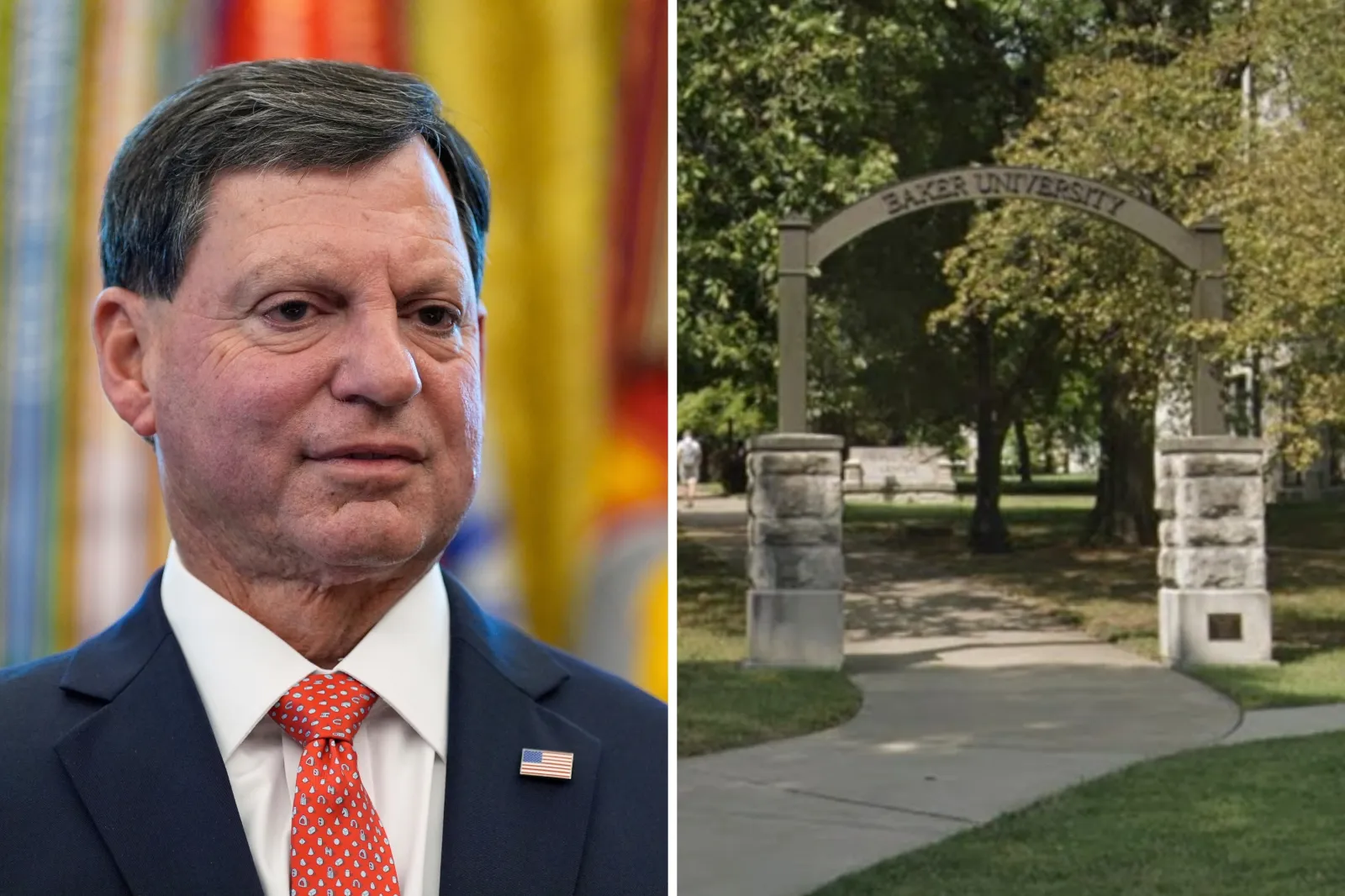
Social Security Administration (SSA) Commissioner Frank Bisignano's former college, Baker University in Missouri, was sued on Christmas Day for its alleged failure to properly secure members’ personal information, including Social Security numbers, a federal court document shows.
The college notified members of a "cybersecurity incident" between December 2 and December 19, 2024, in which an "unauthorized actor" gained access to its network and data systems, according to the class action lawsuit. The attack impacted more than 50,000 individuals, online records show.
Newsweek contacted Baker University on Sunday, outside of regular working hours, via email for comment.
Read More on News
Bisignano is not involved in the lawsuit. He graduated from the college in 1979 and has regularly returned to his alma mater since then, delivering a commencement address on May 19, 2024. He was nominated for the top SSA role in December 4, 2024.
...
What To Know
In a court document filed to the U.S. District Court for the Western District of Missouri on December 25, the college, in Kansas City was accused of failing to protect class members' private information such as names, dates of birth, driver's license numbers, financial account information, health insurance information, medical information, Social Security numbers, and many other personal identifiers.
According to the court documents, the plaintiff of the lawsuit, who was a student and employee of the college, believed their private information had been made "available on the dark web" as a result of the data breach.
The plaintiff also argued that it was due to Baker University's alleged "negligence" that the cybercriminals gained access to the network and obtained "everything they need to commit identity theft and wreak havoc on the personal lives of victims," including the plaintiff.
The information Baker University obtained from the plaintiff and other class members was sensitive and it "had a resulting duty to securely maintain that information in confidence," the lawsuit continues.
"Now, for the rest of their lives, plaintiff and class members will have to deal with the danger of identity thieves possessing and misusing their private information," the court document reads.
It adds that even those who have not yet experienced an issue still have to spend time responding to the incident and "are at an immediate and heightened risk of all manners of identity theft as a direct and proximate result of the data breach."
The court document continues that the plaintiff and class members are at risk of damages like "identity theft, attempted identity theft, lost time and expenses mitigating harms, increased risk of harm, damaged credit, deprivation of the value of their private information, loss of privacy, and/or additional damages."
The plaintiff of the lawsuit is consequently seeking "remedies including compensation" for their time spent responding to the data breach.
The lawsuit also points to "numerous issues" with Baker University's issued notice regarding the 2024 data breach. It reads that the college did not "state whether it was able to contain or end the cybersecurity threat," which the lawsuit said leaves the victims to "fear" whether their information is now secure.
The college also failed to state how the data breach occurred, the lawsuit reads, and it failed to "timely notify victims" after the incident happened, which it said deprived victims of "the earliest opportunity to take preventative measures to protect their private information."
The lawsuit goes on to make the argument that data breaches are "preventable," citing a relevant book on the subject, and that Baker University "could have prevented" the incursion by, "among other things, properly encrypting, redacting, or otherwise protecting their equipment and computer files containing private information."
The lawsuit also notes that a breach was "foreseeable" given their frequency in the country, and that Baker University's offer of temporary subscription to a credit monitoring service was "wholly inadequate," as it does not protect victims for the years of ongoing damages that the lawsuit says commonly follow a breach.
What People Are Saying
Baker University, said in a notice about the cybersecurity incident issues on December 19: "We take this incident and the security of information in our care very seriously. Upon becoming aware of this incident, we immediately took steps to confirm the security of our environment. We reviewed existing security policies and implemented additional measures to further protect against similar incidents moving forward. We reported this incident to law enforcement and regulators, as required by law."
The college added: "We encourage you to remain vigilant against incidents of identity theft and fraud by reviewing your
account statements, explanation of benefits, and monitoring your free credit reports for suspicious activity and to detect
errors."
What Happens Next
The plaintiff has requested a trial by jury in the lawsuit, although it is not yet clear what the next steps will be in relation to this case.
View 0 Comments
Submit Correction
View Editorial & AI Guidelines