...

By Melissa Fleur Afshar
Reporter
0
Share
Newsweek is a Trust Project member
See more of our trusted coverage when you search.Prefer Newsweek on Googleto see more of our trusted coverage when you search.
A personal injury lawyer who has represented dozens of clients sickened by contaminated food says most foodborne illness cases trace back to a handful of avoidable habits in the kitchen.
Steve Wagner, co-founder and managing partner at Wagner Reese LLP, an Indiana-based personal injury firm that handles plenty of foodborne illness cases, told Newsweek that simple assumptions about washing, storing and reheating food are putting people across the U.S. in the hospital, especially amid an ongoing outbreak linked to fresh produce and concerns about more to come.
"I've seen clients who took a pre-washed bag at face value and got sick because that label only details what happened before it was put into the bag," Wagner said. "There's a gap between what it says and what it guarantees, which is where these cases start."
Read More on Health
Mistake 1: Assuming 'Pre-Washed' Bagged Produce Is Safe
Wagner said pre-washing is not a substitute for washing food again at home.
"Pre-washing helps, but it's not an excuse to skip another wash," he said. "Bagged greens and salads are always among the highest risk items, and with the current outbreak, it's even more important to wash them again because they can become tainted after they've been pre-washed while being packed or during distribution."
He recommends buying whole lettuce heads, discarding the outer two or three layers of leaves to be on the safe side, and washing the rest under running water.
Mistake 2: Thinking a Normal Rinse Under Water Kills Everything
A basic rinse does not remove every pathogen, Wagner said, pointing to cyclospora as an example.
"Plain water doesn't always get rid of or kill every pathogen, and cyclospora is a prime example since the outer shell is resistant to washing," he said. "Cooking it to a safe temperature is the only reliable and guaranteed way to eliminate your risk."
...
During an active outbreak, he advises rinsing herb leaves separately, scrubbing firm produce with a brush, and cooking high-risk vegetables and fruits rather than eating them raw.
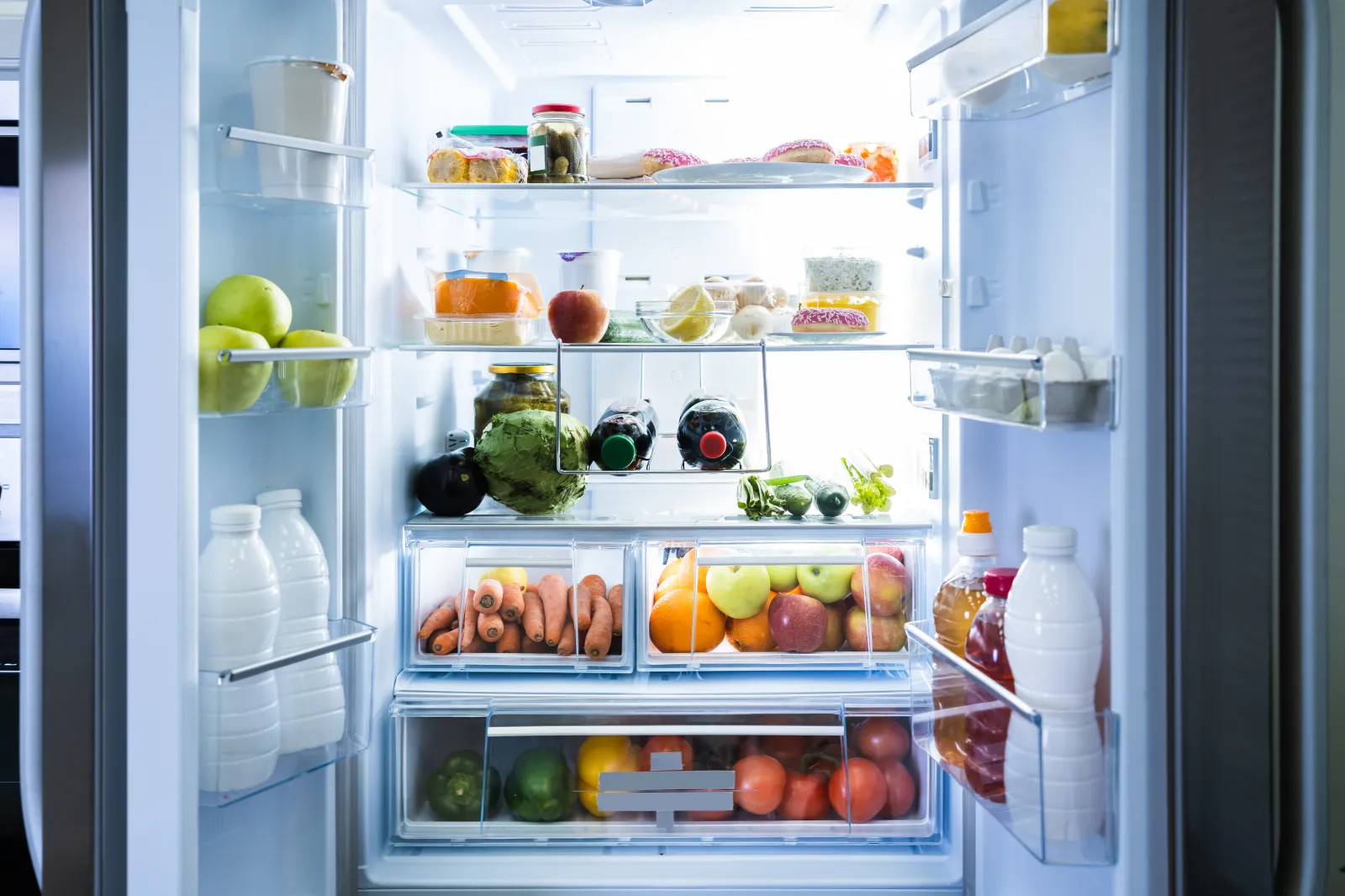
Mistake 3: Trusting the Fridge To Stop Bacteria From Growing
Refrigeration does not actually eliminate bacteria, according to Wagner.
"Refrigeration slows bacterial growth, but it won't stop or kill off existing bacteria," he said. "Listeria is a harmful bacteria that keeps growing at those colder temperatures."
He said clients have been hospitalized after eating deli meat or leftovers stored properly in the fridge that showed no visible signs of spoilage.
Mistake 4: Reheating Leftovers Until They’re 'Warm' Instead of Actually Hot
Leftovers need to reach a specific internal temperature, not just feel warm, Wagner said.
"Warm is not equal to hot, and leftovers need to get to a proper internal temperature throughout rather than just feel heated," he said. "This magic number is 165 degrees throughout, and you want to check it with a food thermometer rather than play roulette here."
He added that Clostridium perfringens causes roughly a million illnesses a year, peaking around Thanksgiving and December.
Delay Between Eating and Getting Sick
Wagner said the delay between eating contaminated food and getting sick makes cases especially hard to trace.
"Since symptoms may appear after a full week, it's a lot more challenging to trace it back to a specific meal or piece of food on your plate," he said. "That's really the scariest part of it too, that week-long gap."
He added: "I've represented people trying to figure out for days what made them sick, looking back a few days when the true culprit was from a whole week before and was long forgotten."
View 0 Comments
Submit Correction
View Editorial & AI Guidelines