...

By Hugh Cameron
Reporter
0
Share
Newsweek is a Trust Project member
See more of our trusted coverage when you search.Prefer Newsweek on Googleto see more of our trusted coverage when you search.
The latest report from the Department of Labor shows that price increases persisted at the close of 2025, despite President Donald Trump’s repeated assurance that inflation has been vanquished in his second term.
On Tuesday, the Bureau of Labor Statistics (BLS) revealed that the annual headline rate of inflation stayed flat at 2.7 percent in December. Month-over-month, consumer prices rose 0.3 percent in December, compared to a 0.2 percent gain in the November report—which charted increases over two months due to the government shutdown preventing data collection for October.
Meanwhile, the 12-month core inflation rate—which excludes the volatile food and energy categories—also remained at its November level of 2.6 percent. The monthly rate stands at 0.2 percent, compared to the two-monthly rate of 0.2 percent the month prior.
Read More on News
Why It Matters
Price increases, and the broader affordability struggles to which they contribute, have proven a significant strain for households in 2025, who are also contending with a slowdown in the labor market and growing debt burdens. This issue has taken on significant political salience in recent months, owing in part to a number of Democratic victories in 2025’s off-year elections, but Trump has maintained that inflation has been defeated while labeling concerns over affordability a “hoax” manufactured by his rivals.
Some analysts have already labeled the latest data as “encouraging,” and a sign that the Federal Reserve’s long-term 2 percent inflation target could be within reach by the end of 2026. Trump, meanwhile, has said the "great" figures bolster the case for a rate cut at the Fed's next meeting in late January.
What To Know
The figures are broadly in line with the consensus forecasts from analysts, who had expected the headline rate to stay steady and core inflation to hasten slightly to 2.7 percent in December.
According to the BLS, housing costs drove many of December's increases, with the shelter index rising 0.4 percent during the month and proving "the largest factor in the all items monthly increase." Shelter makes up over a third of the consumer price index (CPI) weighting and has risen 3.2 percent on an annual basis.
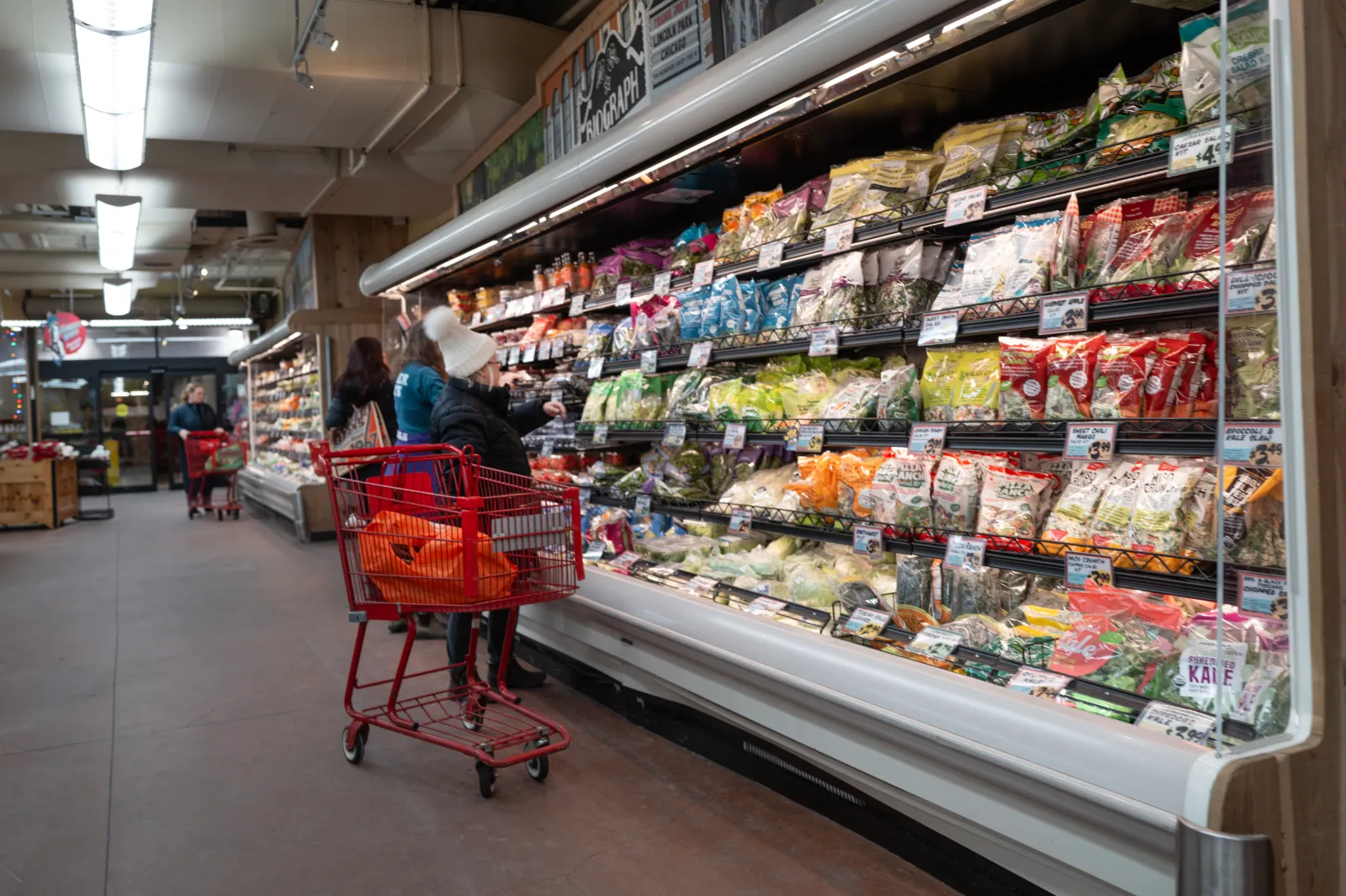
Food prices, meanwhile, rose 0.7 percent on a monthly basis and are now up 3.1 percent over the past 12 months. Within the food index, beef and veal prices continued to climb in December, rising 1.0 percent for the month and now sitting 16.4 percent higher than a year earlier. Similarly staggering gains have been recorded for coffee—up 19.8 percent annually—but egg prices have seen a 20.9 percent decline.
The energy index increased at a more modest pace of 2.3 percent over the 12 months ending in December, in part due to gasoline prices falling 3.4 percent over the past year. Energy services, however, have risen 7.7 percent in this period, fueled by a 10.8 percent gain in piped gas prices for households.
Other indexes which recorded increases in December include apparel, recreation and airline fares—up 5.2 percent in December but down 3.4 percent annually. According to the BLS, the 1.2 percent increase in the recreation index was the largest one-month jump seen since the agency began tracking this in 1993.
Meanwhile, the indexes for communication, used cars and trucks, and household furnishings and operations were among those that saw prices fall in December.
...
What People Are Saying
President Donald Trump, in a Truth Social post following the report, wrote: "JUST OUT: Great (LOW!) Inflation numbers for the USA. That means that Jerome 'Too Late' Powell should cut interest rates, MEANINGFULLY!!! If he doesn’t he will just continue to be, 'TOO LATE!' ALSO OUT, GREAT GROWTH NUMBERS. Thank you MISTER TARIFF! President DJT"
Michael Pearce, Chief U.S. economist at Oxford Economics, said in a press note following the release: "We think tariff-driven price rises have mostly been passed through and anticipate further disinflation in services inflation in 2026 will drive inflation back closer to the two percent target by the end of the year.”
“The encouraging inflation news helps ease the dilemma of the Federal Reserve,” he added. “We expect officials are happy to remain on extended pause, as they wait and see the impact of their recent string of rate cuts, but with inflation fears fading, officials will feel freer to respond to downside risks to the labor market, should conditions deteriorate.”
Bankrate Financial Analyst Stephen Kates wrote: “Consumers can breathe a sigh of relief that we didn’t snap back to the three percent annual inflation rate that was the consensus estimates in November. Although today’s reading doesn’t demonstrate additional progress for inflation, it doesn’t take a step backwards either."
What Happens Next
The next CPI report from the BLS is scheduled for release on February 11. The Federal Reserve will be holding its next policy meeting on January 27 and 28, at which markets widely expect the central bank to keep rates steady.
Update, 01/13/2026, 9:54 a.m. ET: This article was updated with additional information.
View 0 Comments
Submit Correction
View Editorial & AI Guidelines