
...

By Soo Kim
Reporter
0
Share
Newsweek is a Trust Project member
See more of our trusted coverage when you search.Prefer Newsweek on Googleto see more of our trusted coverage when you search.
A homeowner in Pinellas County, on Florida’s Gulf Coast, is lifting her house 24 feet into the air in a dramatic effort to avoid future flooding after repeated storm damage.
The project, reported by Tampa’s WFLA News Channel 8, highlights the growing lengths many Floridians are going to in order to adapt to intensifying hurricanes and rising flood risks. It reflects a wider trend among Florida homeowners who are increasingly opting to lift their properties rather than abandon them, driven by rising insurance costs and repeated storm damage.
Pinellas County, which is surrounded by water on three sides, has one of the highest concentrations of properties in FEMA-designated flood zones in the U.S., according to local floodplain data.
Read More on News
The owner of the property in Pinellas County, who did not wish to be identified, decided to elevate her home after it flooded during the 2024 hurricane season. That year saw multiple destructive storms—including Hurricanes Helene and Milton—bring storm surge and widespread flooding across the state, generating tens of thousands of insurance claims and billions of dollars in losses.
...
A Rare 24-Foot Home Lift
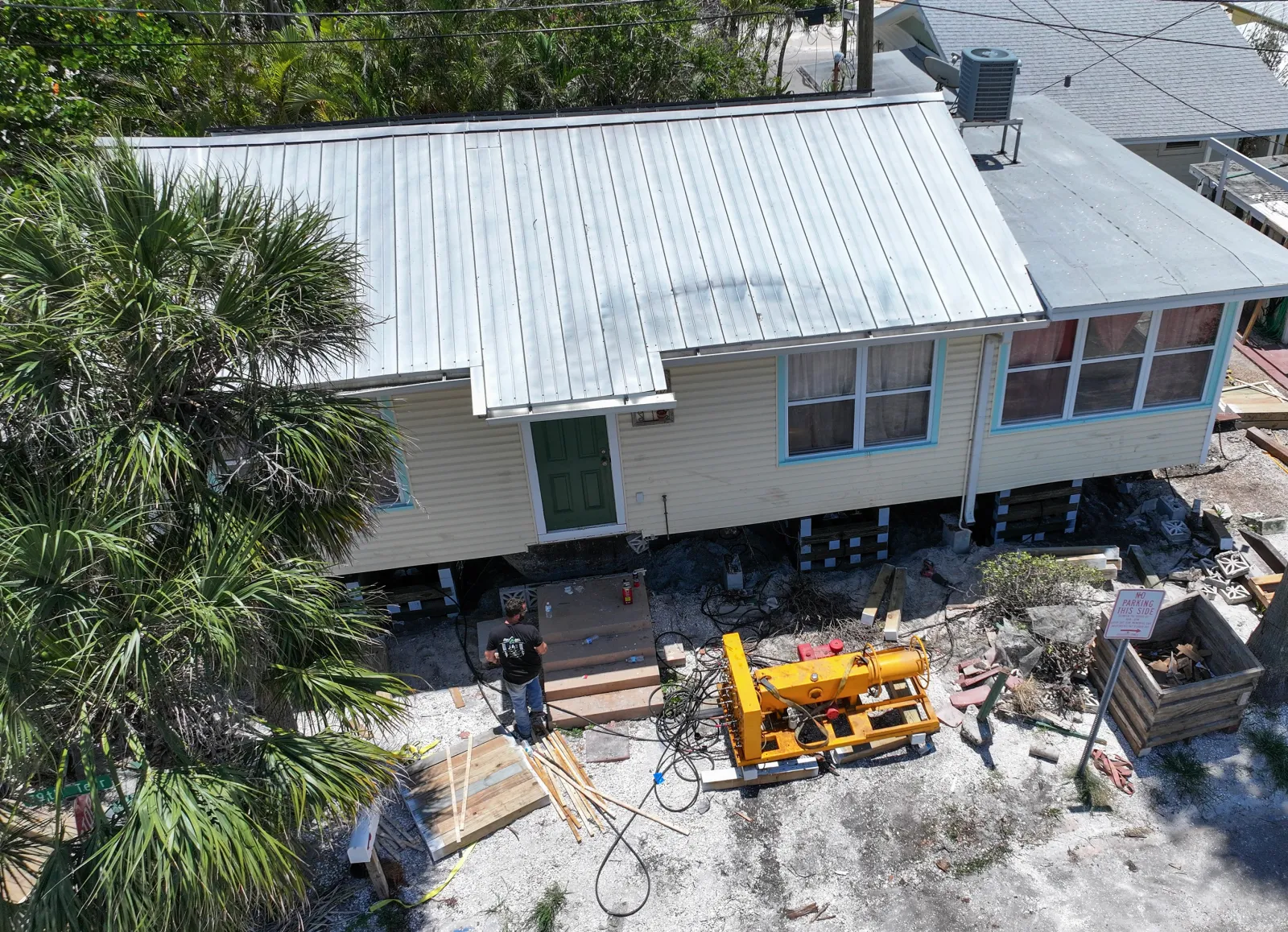
The Pinellas County home, which is reportedly located in Madeira Beach, stands out for the sheer height of the elevation.
Kristi Robinson, who works with Modern House and Building Movers—the company handling the project—told WFLA that most homes are lifted far less.
“Typically, we do 12 to 14 feet, sometimes 10. But 24 feet, this is the first,” Robinson said.
The unusually tall design is partly due to plans to add a second floor. The process itself has been lengthy, taking about a year and a half from contract signing to permitting before work began. The physical lifting started in February and was completed by April, according to WFLA.
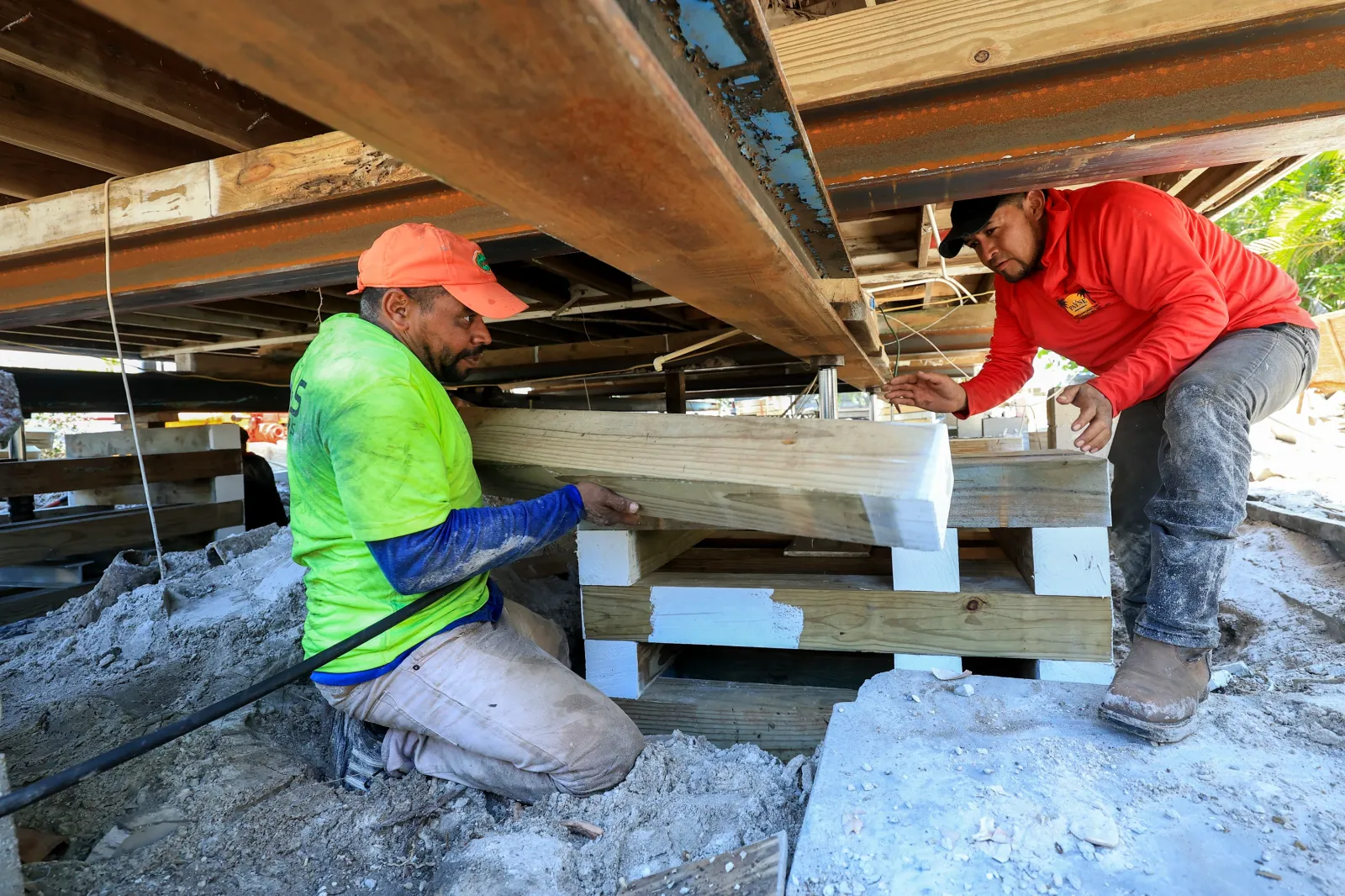
The method involves constructing structural columns around the house, installing beams, and gradually raising the building before removing the temporary supports.
“They will go in and they will form columns around this house… then they’ll build the beams, and then they’ll start removing the columns,” Robinson explained.
...
Cost and Timeline
The homeowner told WFLA that the elevation alone cost about $575,000, with additional work still underway, including new walls, flooring, stucco (a cement-based plaster), and paint. The project is expected to be completed by December.
Despite the cost, Robinson said the investment reflects a desire to preserve community character while improving safety.
“A lot of these homes are homes they grew up in… they want to stay in their home. This is an option where they can stay,” she said.
“We want to see homes and safety… when or if we ever do have a flood again, they won’t have a problem with that.”
...
Hurricanes and Flooding Driving Change
The recent home elevation project comes after a particularly destructive period for Florida in recent years.
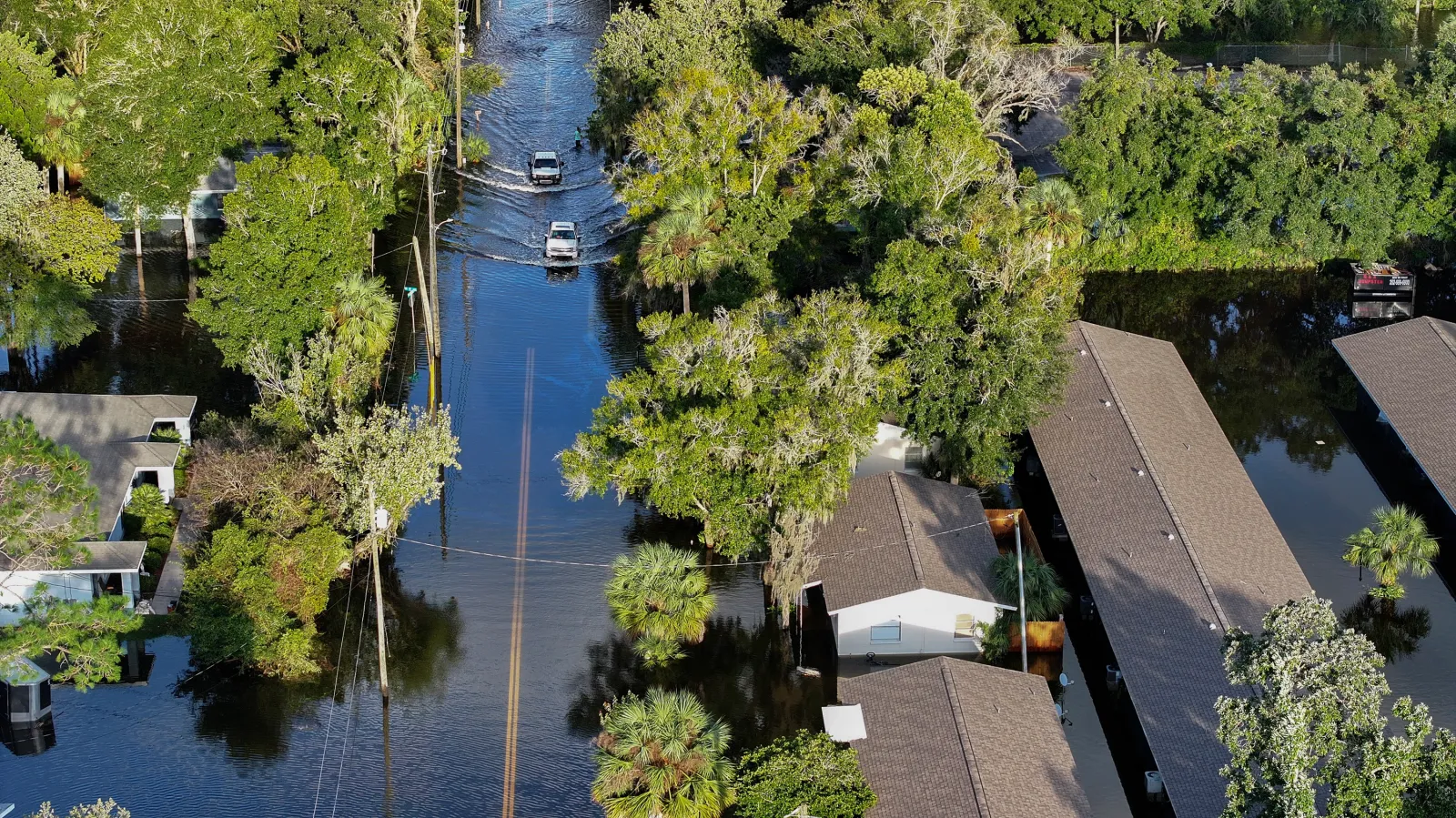
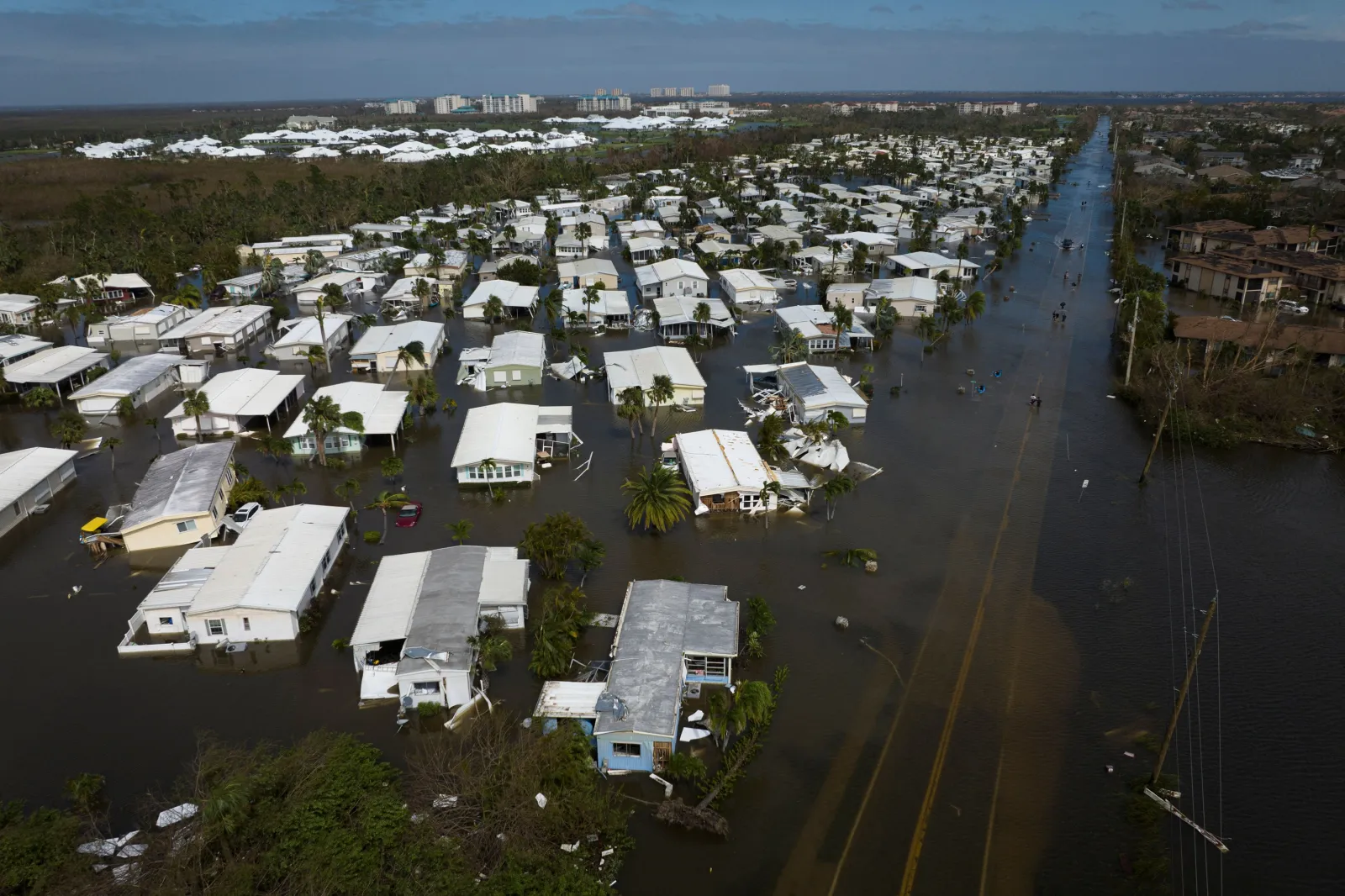
In 2024, Hurricanes Helene and Milton struck the Gulf Coast in quick succession, bringing powerful storm surge, heavy rainfall, and even tornado outbreaks.
The combined impact of these storms led to over 78,000 flood insurance claims, with estimated losses potentially exceeding $10 billion.
Even outside of major hurricanes, storm surge and flooding—not wind—account for the majority of hurricane-related deaths and damage, according to the National Hurricane Center, making elevation a key strategy for reducing risk.
...
What People Are Saying
The recent elevation project in Pinellas County sparked debate among users on X.
User @garydruckercic, who is a commercial insurance broker according to his profile on X, wrote: “Smart move. I always tell my Florida clients to lift the house first and call the insurance company second. That is just sound advice.”
Peter Draschman, who is a Florida realtor, according to his X profile, said: “That's wild! FEMA could have paid up to 100 percent to elevate this home. If the owner had 4 NFIP [National Flood Insurance Program] claims in a 10 year window they could have been approved for the Flood Mitigation Assistance program.”
User @jzell2285, who is a microbiologist, according to their profile on X, said: “I can't imagine local ordinances will allow that? Building codes n such. I'm guessing the pallets are just temporary while they put the real supports in?”
User Dan McGrath (@IRMAARetirement), an author and creator of the IRMAA Certified Financial Planner Designation, said: “No one ever plans for the future. How will this homeowner navigate the stairs when they are older?”
Sharing an image of another elevated home, user @ChaosCruxFL, who is an “Ops architect turned AI builder,” according to their profile on X, said: “They are doing this to store RV's underneath, there are several on Madeira Beach like this.”
...
Do you have a housing-related story to share? Let us know via life@newsweek.com, and your story could be featured on Newsweek.
View 0 Comments
Submit Correction
View Editorial & AI Guidelines