...

By Lilith Foster-Collins
News Reporter
0
Share
Newsweek is a Trust Project member
See more of our trusted coverage when you search.Prefer Newsweek on Googleto see more of our trusted coverage when you search.
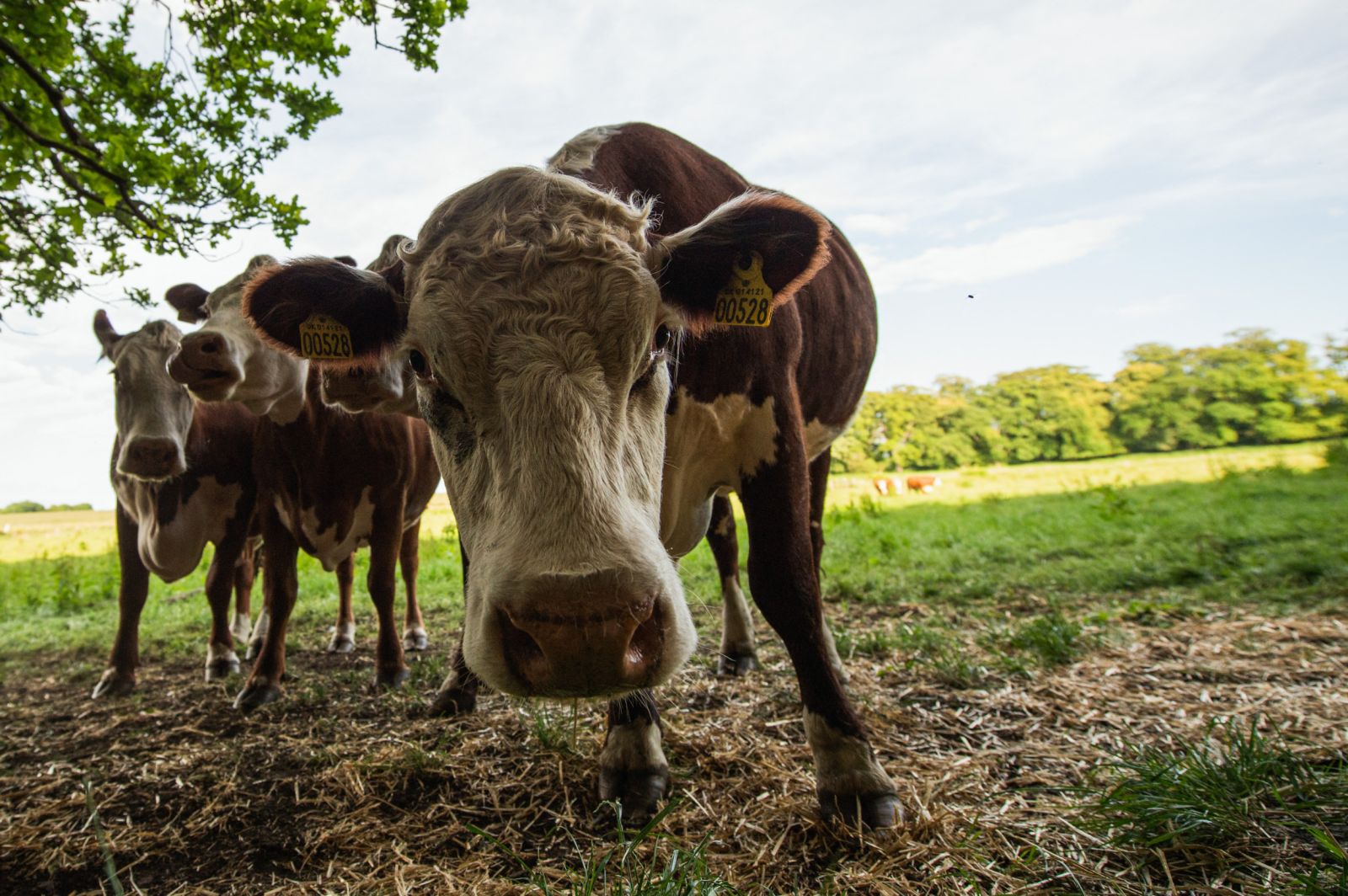
Denmark will tax livestock farmers for the greenhouse gases emitted by their cows, sheep and pigs from 2030.
This makes Denmark the first country in the world to target methane emissions in the flatulence produced by livestock.
Methane is one of the most significant gases contributing to global warming, and traps about 87 times more heat than carbon dioxide, on a 20-year time scale, according to the U.S. National Oceanic and Atmospheric Administration.
Read More on News
Livestock account for around 32% of human-caused methane emissions, says the U.N. Environment Program.
...
Cows, pigs and sheep produce methane as a by product of their digestive process. They release the methane through flatulence and burps.
Denmark aims to reduce the country's emissions by 70% from 1990 levels by 2030, said Taxation Minister Jeppe Bruus.
"We will take a big step closer in becoming climate neutral in 2045," Bruus said.
New Zealand passed a similar law which was due to take effect in 2025. However, the legislation was removed after criticism from farmers and a change in government.
"This is an important step forward in New Zealand's transition to a low emissions future and delivers on our promise to price agriculture emissions from 2025," said Prime Minister Jacinda Ardern at a press conference in 2022.
Committing to reversing the move, Agriculture Minister Todd McClay said: "The government is committed to meeting our climate change obligations without shutting down Kiwi farms."
The deal in Denmark was reached late on Monday after months of protests by farmers across Europe against climate change mitigation measures they say are driving them to bankruptcy.
A typical Danish cow produces 6 metric tons (6.6 tons) of CO2 equivalent per year.
Danish livestock farmers will be taxed 300 kroner ($43) per ton of carbon dioxide equivalent in 2030.
The tax will increase to 750 kroner ($108) by 2035.
Because of an income tax deduction of 60%, the actual cost per ton will start at 120 kroner ($17.3) and increase to 300 kroner by 2035.
The Danish Society for Nature Conservation, the largest nature conservation and environmental organization in Denmark, described the tax agreement as "a historic compromise."
The tax has to be approved in the 179-seat Parliament, but the bill is expected to pass after the broad-based consensus.
According to Statistics Denmark, there were 15,331 farms with livestock in 2023, almost half the number of farms in 2006, when there were 29,083.
There were 8,972 farms containing cattle in Denmark, whilst 2,131 contained pigs.
View 0 Comments
Submit Correction
View Editorial & AI Guidelines