
By Matthew Robinson
News Editor
0
Share
Newsweek is a Trust Project member
See more of our trusted coverage when you search.Prefer Newsweek on Googleto see more of our trusted coverage when you search.
A New Jersey-based company is recalling a select lot of fish that was not properly gutted because of its potential to be contaminated with botulism, the U.S. Food and Drug Administration (FDA) announced.
Mamtakim Inc. issued a voluntary recall on November 25 for its Dried Whole Smelts Salted (Korushka) because the product consisted of uneviscerated fish longer than 5 inches, which has the possibility of being contaminated with the bacterium.
Newsweek contacted Mamtakim Inc. for comment by email outside regular working hours.
Read More on News
Why It Matters
Uneviscerated fish—those that have not been fully gutted—have been linked to outbreaks of botulism, according to the FDA. The bacteria Clostridium botulinum are more likely to be concentrated in the viscera than in any other part of a fish.
The FDA warned that botulism is a "potentially fatal form of food poisoning." It can cause symptoms such as general weakness, dizziness, double vision, trouble with speaking or swallowing, difficulty breathing, weakness of other muscles, abdominal distension and constipation.
"People experiencing these problems should seek immediate medical attention," the FDA said.
...
What To Know
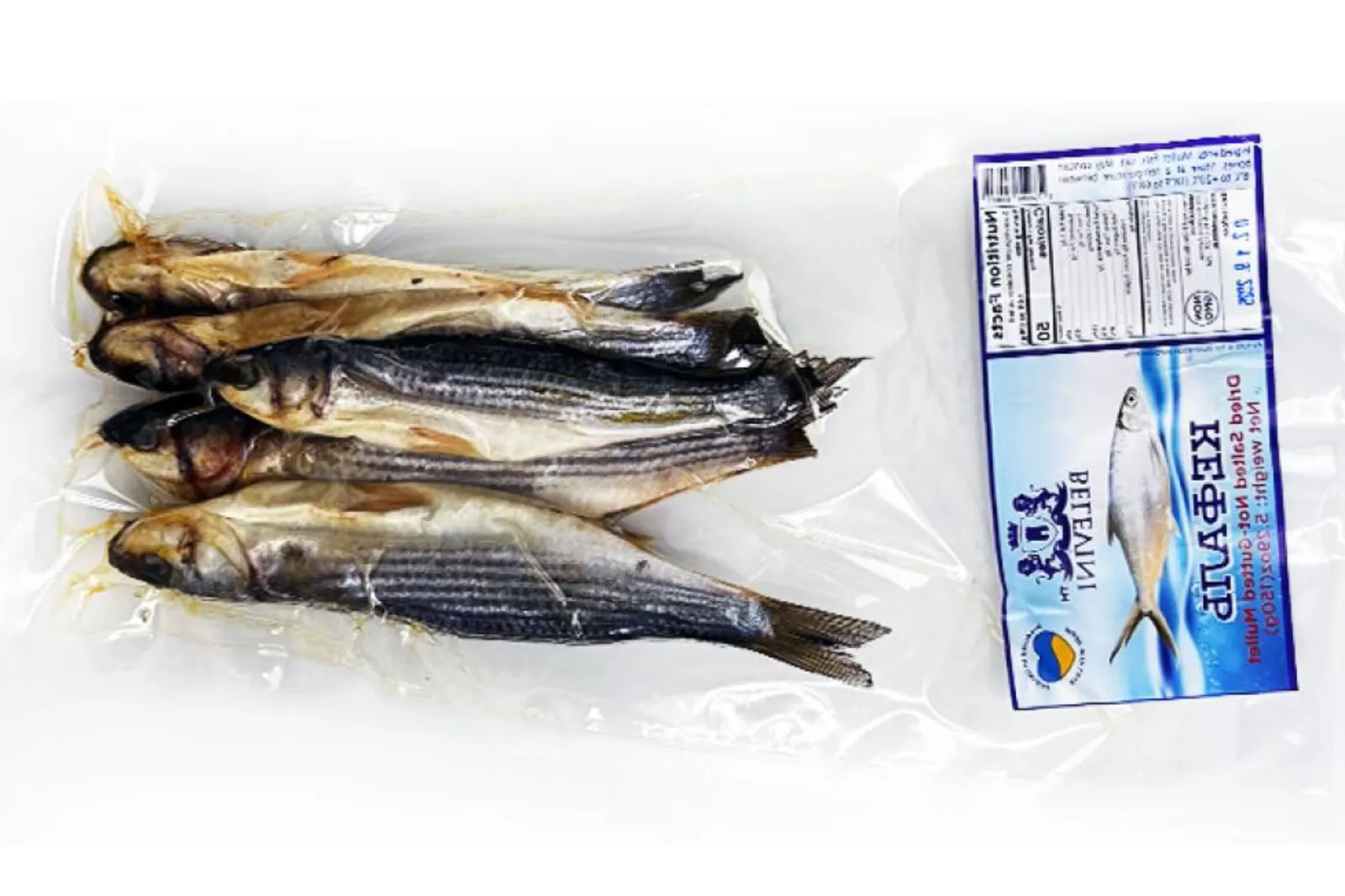
The affected product is the Belevini Dried Whole Smelts Salted (Korushka), which weighs 5.29 ounces and has the barcode 0754684898995 and an expiration date of April 8, 2026.
The product was sold to walk-in customers solely at the following store: Cherry Hill Gourmet, 1901 Emmons Avenue, Brooklyn, New York 11235.
The recall was initiated after FDA inspectors and subsequent analysis found that the fish had not been properly gutted, which can allow Clostridium botulinum to develop.
As of November 25, no illnesses had been reported in connection with the consumption of the recalled fish.
What People Are Saying
The FDA said in its recall notice: "This bacterium can cause a severe, life-threatening illness or death. Consumers are strongly advised not to consume this product, even if it does not appear spoiled."
The Centers for Disease Control and Prevention said on its website: "The bacteria that make botulinum toxin are found naturally in many places, but it's rare for them to make people sick. These bacteria make spores, which act like protective coatings. Spores help the bacteria survive in the environment, even in extreme conditions.
"The spores usually do not cause people to become sick, even when they're eaten. But under certain conditions, these spores can grow and make one of the most lethal toxins known."
It added: "For example, improperly home-canned, preserved, or fermented foods can provide the right conditions for spores to grow and make botulinum toxin. When people eat these foods, they can become seriously ill, or even die, if they don't get proper medical treatment quickly."
The World Health Organization said on its website: "Foodborne botulism is a serious, potentially fatal disease. However, it is relatively rare. It is an intoxication usually caused by ingestion of potent neurotoxins, the botulinum toxins, formed in contaminated foods. Person to person transmission of botulism does not occur."
What Happens Next
The recall is ongoing, according to the FDA.
Customers who purchased the affected product are urged to avoid consuming it and to return it to the place of purchase for a full refund.
View 0 Comments
Submit Correction
View Editorial & AI Guidelines