...

By Ellie Cook
Senior Defense Reporter
0
Share
Newsweek is a Trust Project member
See more of our trusted coverage when you search.Prefer Newsweek on Googleto see more of our trusted coverage when you search.
The grandson of Cuban revolutionary leader Fidel Castro has said most of the island's residents "want to be capitalist, not communist," and called for a deal between President Donald Trump and officials in Havana.
Cuba has for months been squeezed by an American ban on Venezuelan oil imports to the island, which has quickly spiraled into an energy crisis where blackouts and food shortages are common, and health care and transportation judder to a halt.
Sandro Castro, who has shot to fame as a controversial social media star, said life in Cuba was "so hard," adding: "there are many people here who want to do capitalism with sovereignty."
Read More on World
Castro does not hold any official positions in Cuba's government.
...
Fidel Castro led Cuba for nearly five decades after the communist revolution in 1959, nationalizing industry on the island and bringing Havana close to the then-Soviet Union before handing power to his brother, Raúl Castro.
The Castro family has been lauded as heroes by some, but condemned as repressive by others. Several hundred thousand Cubans fled the island in the years after the revolution and waves of migration to the U.S. have followed in the decades since.
Current Cuban president, Miguel Díaz-Canel, took over in 2018 with Raúl Castro's blessing.
Sandro Castro, speaking to CNN from Havana, criticized Díaz-Canel as "not doing a good job" and expressed frustration with the financial bureaucracy the Castro dynasty had long upheld.
"I think the majority of Cubans want to be capitalist, not communist," the 33-year-old said.
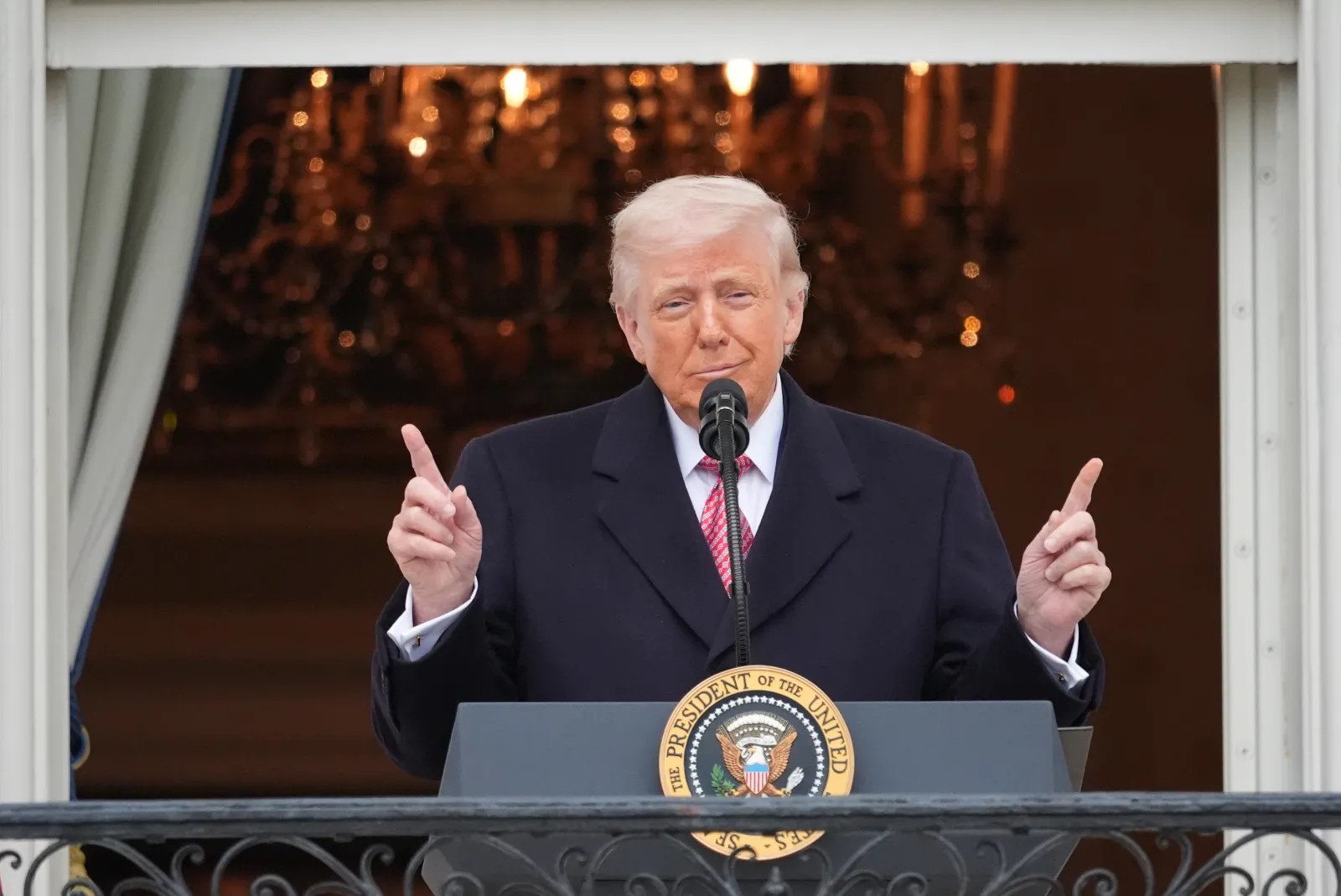
The Trump administration has said Cuba is in "deep trouble" and alluded to a possible "friendly takeover" of the island's government, comments carrying heavier weight after the U.S. captured Venezuelan leader Nicolás Maduro from his compound in Caracas in early January and seized Venezuela-linked oil tankers.
The U.S. instituted a de-facto oil blockade on Cuba, threatening to slap tariffs on any country supplying the island with oil. Authorities in Havana say the country, deeply dependent on Venezuelan oil imports, has not received oil deliveries in three months.
Power outages have become a regular occurrence, there are empty supermarket shelves and the costs of everyday items are spiking. Several countries, including Mexico, have sent humanitarian aid to Cuba in recent weeks.
The White House said on Monday it had allowed a Russian-flagged oil tanker to reach Cuba for "humanitarian reasons" after ship tracking data showed the U.S.-sanctioned Anatoly Kolodkin approaching Cuban shores.
But the U.S. has not altered its de facto blockade on fuel reaching Cuba and will make future decisions on a "case-by-case basis," White House press secretary Karoline Leavitt told reporters.
Trump, in an apparent swivel from his previous determination to cut Cuba off**, said on Monday he had "no problem"** with fuel deliveries to the island**.**
Cuba confirmed it was in talks with the U.S. in mid-March.
Update 3/31/2026 at 5:00 a.m. ET: This article was updated with additional information.
View 0 Comments
Submit Correction
View Editorial & AI Guidelines