10
Loading video...

By Hollie Silverman
News Editor
0
Share
Newsweek is a Trust Project member
See more of our trusted coverage when you search.Prefer Newsweek on Googleto see more of our trusted coverage when you search.
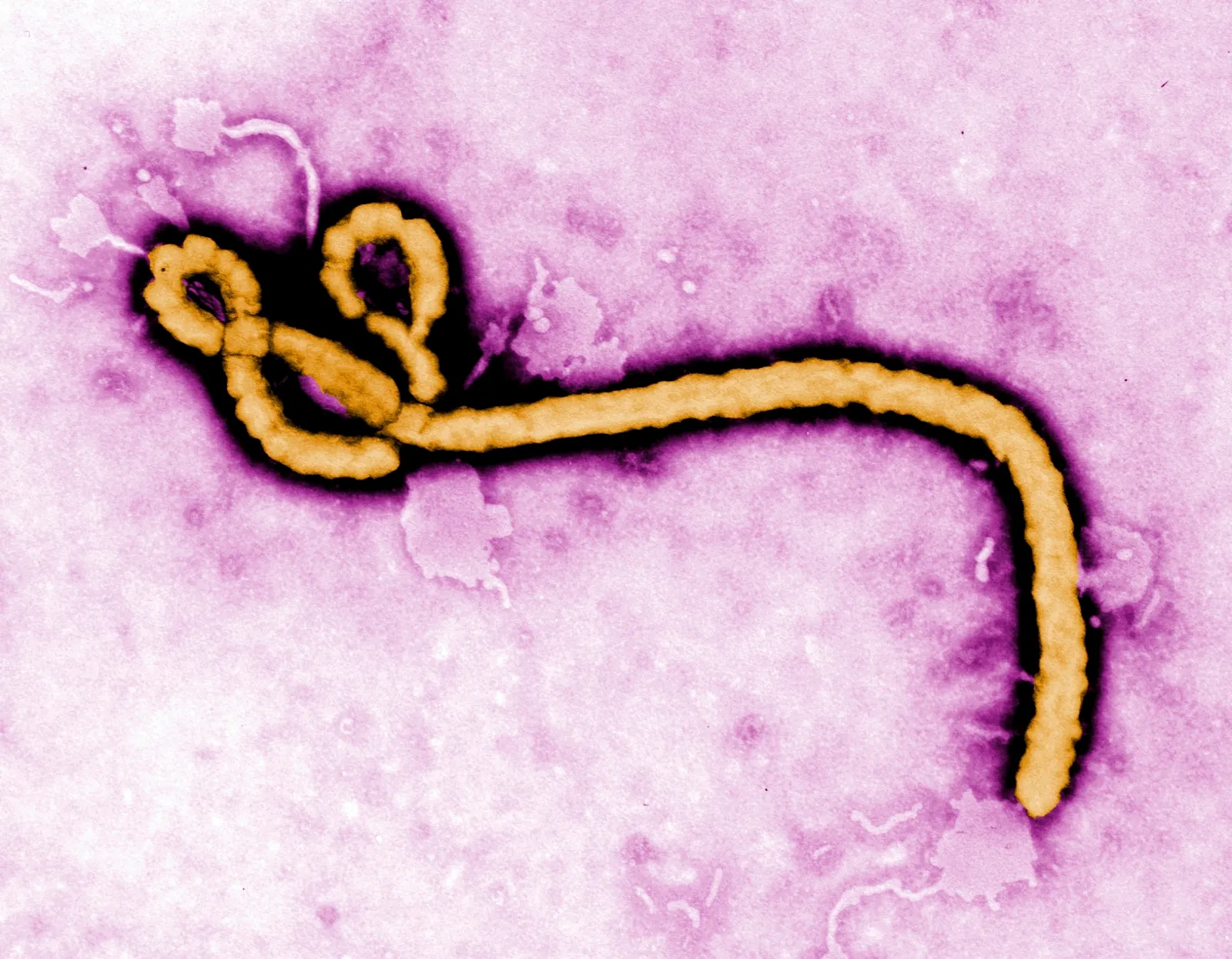
A rapidly expanding Ebola outbreak in the Democratic Republic of Congo has now killed more than 2,000 people, becoming the second-largest surge of the disease on record, according to international health authorities.
The outbreak, triggered by the Bundibugyo strain of the virus, has spread across multiple provinces in Congo and crossed into neighboring Uganda, prompting a major international response.
The speed of the latest flurry has alarmed health officials. The U.S. Centers for Disease Control and Prevention (CDC) says the epidemic surpassed 1,000 confirmed cases within 40 days of response activation, far faster than Congo's major 2018 Ebola outbreak, which took about 235 days to reach that milestone.
Read More on News
The outbreak is unfolding in a region facing humanitarian challenges, population displacement and significant cross-border movement, factors that can complicate efforts to contain a deadly virus.
The World Health Organization (WHO) has said the outbreak is occurring in a "challenging context" and that health officials are scaling up surveillance, contact tracing and preparedness efforts in both Congo and Uganda.
American aid workers, missionaries, doctors and humanitarian personnel operating in affected areas face higher exposure risks than the general public because they may come into contact with infected patients, their family members or contaminated environments.
The CDC reported that a U.S. citizen working for a humanitarian organization in Congo tested positive for the Bundibugyo strain in July and was medically evacuated to Germany for treatment.
Health officials are particularly concerned because the outbreak is caused by the Bundibugyo species of Ebola, for which there is currently no approved vaccine or specific treatment. While supportive medical care can improve outcomes, the lack of targeted countermeasures makes containment efforts especially important.
The CDC has described the surge as spreading "substantially faster than previous Ebola outbreaks" and noted that reported deaths rose rapidly during the summer.

...
Latest Death Toll
According to the European Centre for Disease Prevention and Control's (ECDC) latest assessment, Congo reported a total of 4,449 confirmed Ebola cases and 2,061 deaths as of August 10.
The agency said 716 patients were hospitalized in isolation and that 53 health zones across five provinces were affected.
The outbreak has primarily impacted the provinces of Ituri, North Kivu, South Kivu, Haut-Uele and Tshopo. Uganda also reported cases linked to travel from Congo, though officials there declared its outbreak over on July 28 after no additional infections were detected.
The death toll means the outbreak has become one of the most serious Ebola epidemics since the devastating West African one of 2014-2016. The CDC says it is now the second-largest Ebola outbreak ever recorded.
...
Could Ebola Spread to the United States?
The CDC says no Ebola cases connected to the current outbreak have been confirmed in the United States and that the overall risk to Americans remains low. The agency adds that the likelihood of Ebola spreading to the United States is "very low."
Even if an infected traveler were diagnosed in the United States, the CDC says, the risk of wider spread would remain low because of the country's public-health infrastructure, infection-control measures and contact-tracing capabilities.
Ebola does not spread through the air like influenza or COVID-19. Instead, transmission occurs through direct contact with the blood or other bodily fluids of an infected person or contaminated materials. That makes outbreaks much easier to contain when health authorities quickly identify cases and monitor contacts.
Health agencies are nonetheless monitoring the situation closely. Multiple countries have reported imported cases linked to travel from outbreak areas, including cases in Europe that required medical evacuation and specialized treatment.

...
What Officials Are Doing
The CDC has activated response efforts and is working with international partners on surveillance, laboratory testing, infection prevention and contact tracing. The U.S. government has also committed hundreds of millions of dollars in additional funding to support outbreak response and preparedness efforts in Central and East Africa.
For now, health officials stress that Americans should remain aware of the outbreak but not panic. The CDC's latest assessment continues to rate the risk to the U.S. public and travelers as low, even as authorities work to stop the virus' spread in the affected regions of Africa.
Contact Newsweek editors on this story: Edward T. Cummins.
View 0 Comments
Submit Correction
View Editorial & AI Guidelines