...

By Mandy Taheri
Reporter
0
Share
Newsweek is a Trust Project member
See more of our trusted coverage when you search.Prefer Newsweek on Googleto see more of our trusted coverage when you search.
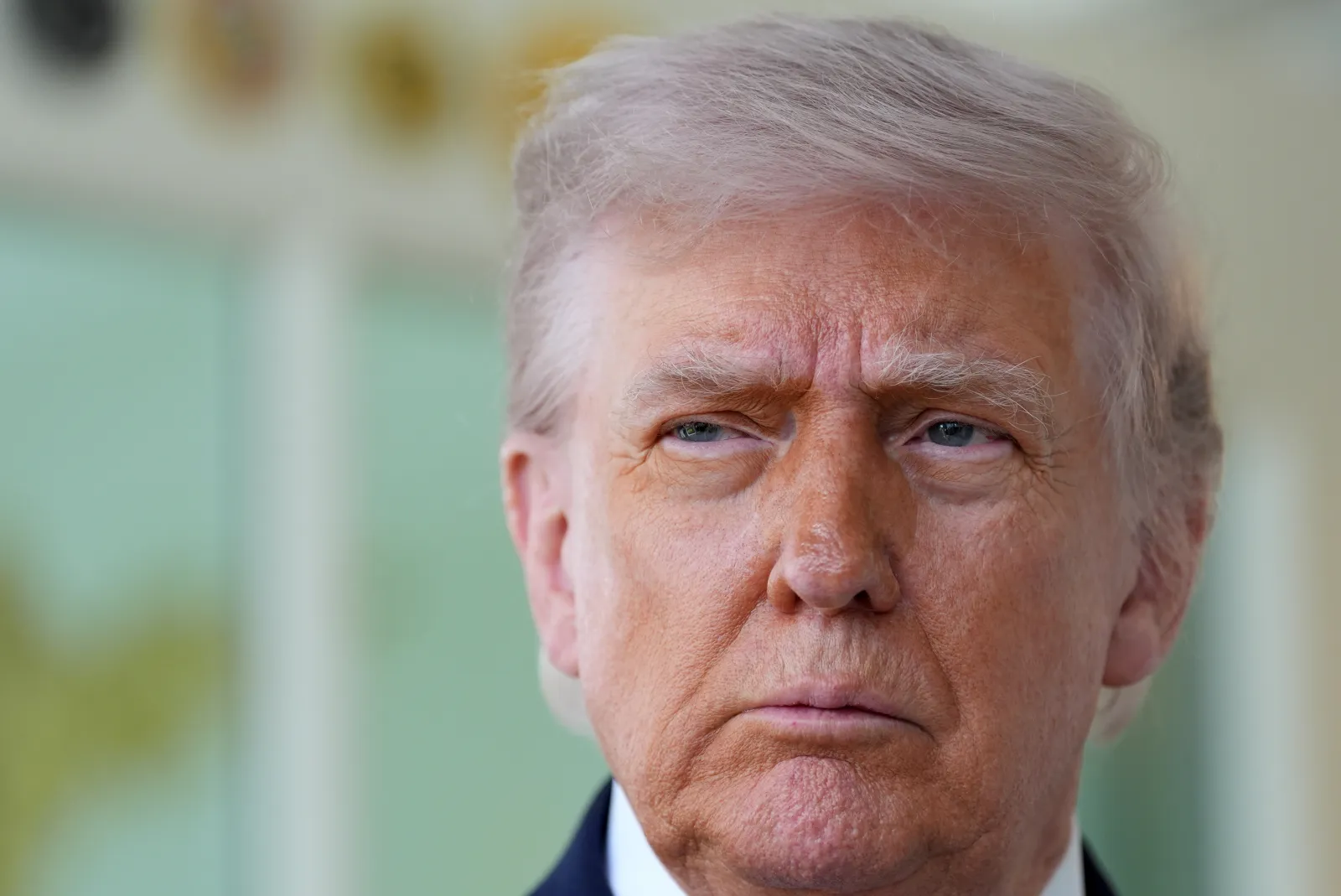
President Donald Trump was impeached twice by the House of Representatives during his first term, in 2019 and again in 2021, and now, after newly declassified memos have been released, Harvard law professor emeritus Alan Dershowitz believes the president may have grounds to expunge his 2019 impeachment over one of the official's potential bias and false statement.
...
Read More on Fact Check
The Claim
Dershowitz, who helped defend Trump during his 2019 impeachment trial, told Just the News that Trump could seek to "expunge" that impeachment, over new evidence about a central figure in the trial, Michael Atkinson, former Intelligence Community Inspector General.
The lawyer called impeachment a "quasi-judicial procedure" in which Trump may be able to go "back to Congress and ask them to expunge it or go to the courts."
In a Tuesday morning Truth Social post, Trump shared the Just the News article with the caption, "Alan, one of the greats, should do it!"
The Facts
On Monday, Director of National Intelligence Tulsi Gabbard released documents related to the 2019 impeachment effort. The press release said the new documents expose "a coordinated effort by elements within the Intelligence Community (IC), including a former Inspector General (IG), to manufacture a conspiracy that was used as the basis to impeach President Trump in 2019."
The documents state that Atkinson "relied upon politicized, manufactured narratives" and did not have "firsthand evidence." Atkinson brought forward the whistleblower's complaint, which triggered the impeachment inquiry. He said he did not investigate whether the whistleblower coordinated with Democrats, focusing instead on the allegations about Trump's call with the Ukrainian president.
Trump was impeached by the House in 2019 on charges of abuse of power and obstruction of Congress stemming from his dealings with Ukraine. Democrats alleged he pressured Ukrainian President Volodymyr Zelenskyy to investigate former Vice President Joe Biden, then a 2020 rival, while withholding military aid and a White House meeting.
House Speaker Nancy Pelosi announced a formal impeachment inquiry in September 2019 after a whistleblower complaint alleged Trump had abused his office in dealings with Ukraine, and House Democrats led the impeachment effort in Congress. Atkinson reviewed the complaint, found it appeared credible and of concern, and transmitted it to acting Director of National Intelligence Joseph Maguire, helping set in motion the events that led to the inquiry. Multiple witnesses testified under oath during the trial. Lieutenant Colonel Alexander Vindman testified that the July 25 phone call was "improper."
The Republican-controlled Senate acquitted Trump in February 2020. Trump has denied any wrongdoing.
Can an Impeachment be Expunged?
Neither the U.S. Constitution nor House rules lays out a formal process for expunging an impeachment, and there is no historical precedent for Congress doing so.
Some Republican lawmakers, including then Representatives Marjorie Taylor Greene and Elise Stefanik, have sought to do that by introducing House resolutions to expunge both of Trump's impeachments. The GOP lawmakers' 2023 measures did not advance. At the time, George Washington University professor Jonathan Turley, who Republicans at times seek for advice, told Reuters, "It is not like a constitutional DUI. Once you are impeached, you are impeached."
Others, like Georgetown University Law Center professor Joshua Chafetz, told Newsweek at the time, “an impeachment cannot be expunged because it has effect outside of the House—that is, it causes the Senate to hold a trial.”
The Ruling
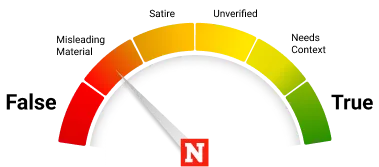
Misleading, there is no outlined legal process for expunging an impeachment, and other testimony in the trial, independent of Atkinson, still hold.
View 0 Comments
Submit Correction
View Editorial & AI Guidelines