...

By Jordan King
Reporter
0
Share
Newsweek is a Trust Project member
See more of our trusted coverage when you search.Prefer Newsweek on Googleto see more of our trusted coverage when you search.
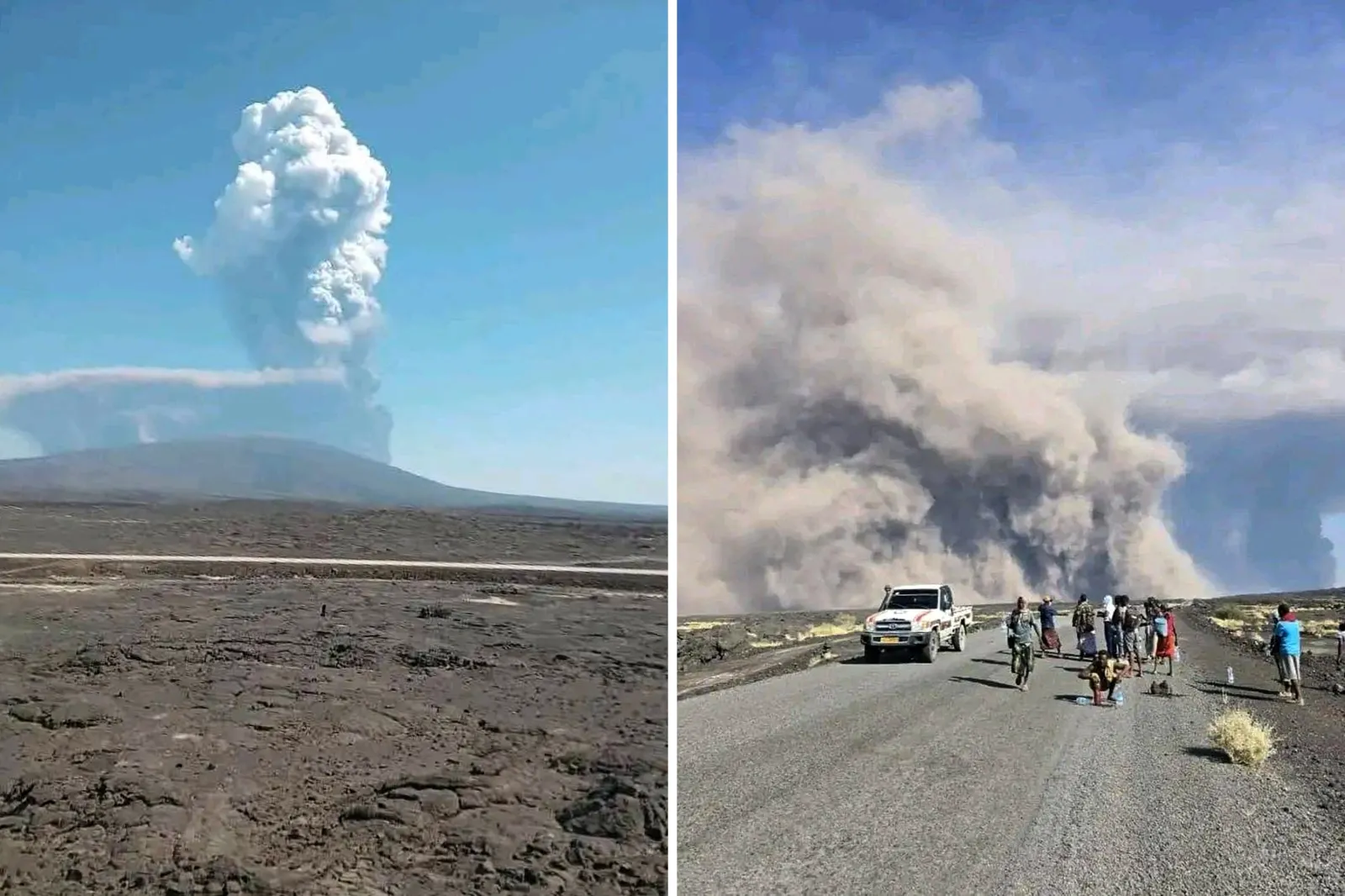
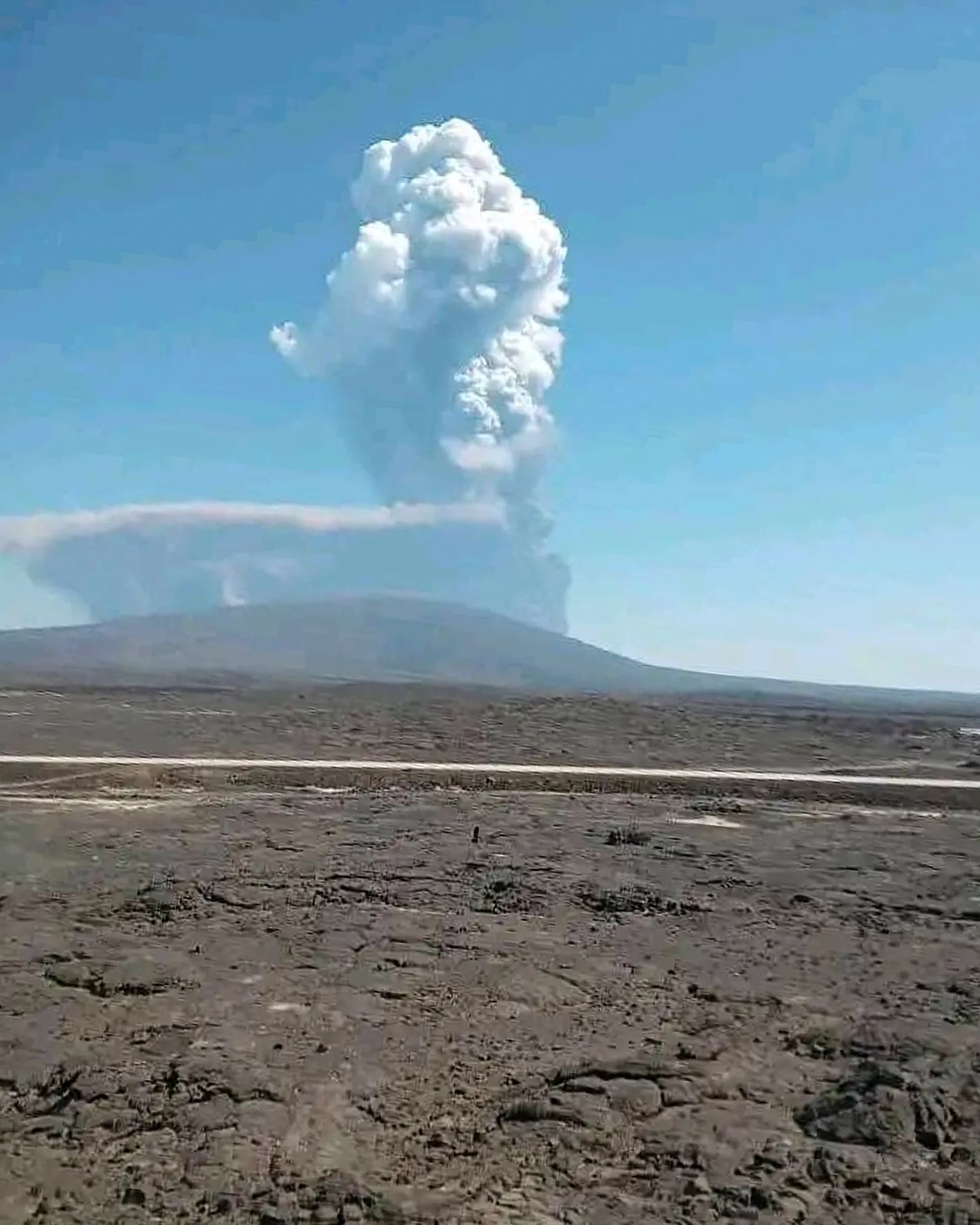
For the first time in recorded history, the Hayli Gubbi volcano in Ethiopia's remote Danakil region has erupted.
Located southeast of the well-known Erta Ale volcano, Hayli Gubbi had no documented activity before Sunday's eruption, making the event a rare occurrence closely monitored by scientists via satellite because of the area's inaccessibility. No injuries or immediate property damage have been reported.
Why It Matters
The eruption of Hayli Gubbi marks the first recorded activity from this long-dormant volcano.
Read More on News
The Danakil Depression—a harsh, virtually uninhabited zone in Ethiopia—rarely sees such events, according to the website VolcanoDiscovery.
...
What To Know
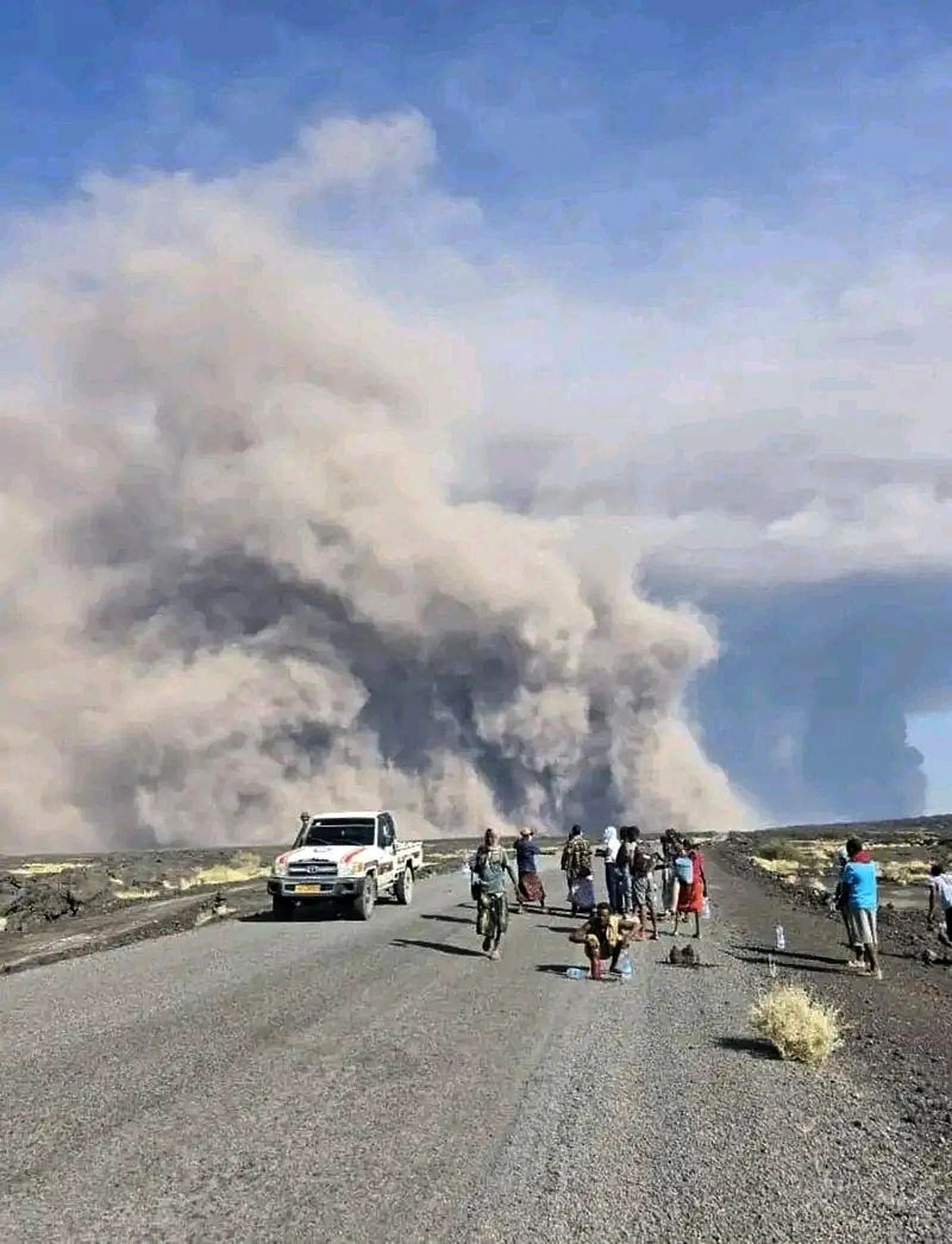
The eruption began around 8:30 a.m. local time on Sunday. Satellite images and data captured by Planet Labs showed a dramatic column of ash and sulfur dioxide rising up to 10-15 kilometers (6-9 miles) above the surface.
The event took place about 15 kilometers southeast of Erta Ale, another prominent volcano in Ethiopia's Afar rift.
The Toulouse Volcanic Ash Advisory Center (VAAC) in France confirmed that ash clouds had spread over parts of Yemen and Oman.
Under international aviation procedures, such VAAC bulletins are used by air-navigation and meteorological authorities as the basis for route planning and hazard warnings to aircraft when volcanic ash is present.
Scientists at Michigan Technological University and VolcanoDiscovery tracked the development primarily via satellite because of the area's inaccessibility and extreme environmental conditions.
...
What People Are Saying
Simon Carn, a professor at Michigan Technological University, wrote about the eruption on the social media platform Bluesky: "An explosive #eruption of Hayli Gubbi #volcano, located SE of Erta'Ale in the Afar Rift (Ethiopia), began at ~08:30 UTC on Nov 23. Eruption onset was fortuitously captured by a @planet.com overpass at 08:31 UTC. Hayli Gubbi has no record of Holocene eruptions. Toulouse VAAC reporting ash to ~15 km."
What Happens Next
Global volcano-tracking centers and academic researchers continue to monitor the situation using satellite imagery.
Aviation authorities are expected to continue issuing travel advisories as needed, depending on future volcanic ash emissions.
View 0 Comments
Submit Correction
View Editorial & AI Guidelines