10
Loading video...

By Robyn White
Nature Reporter
0
Share
Newsweek is a Trust Project member
See more of our trusted coverage when you search.Prefer Newsweek on Googleto see more of our trusted coverage when you search.
A company that normally moves trucks and other vehicles was called in to help remove the rotting carcass of an 18-tonne humpback whale that washed up on a beach in Australia.
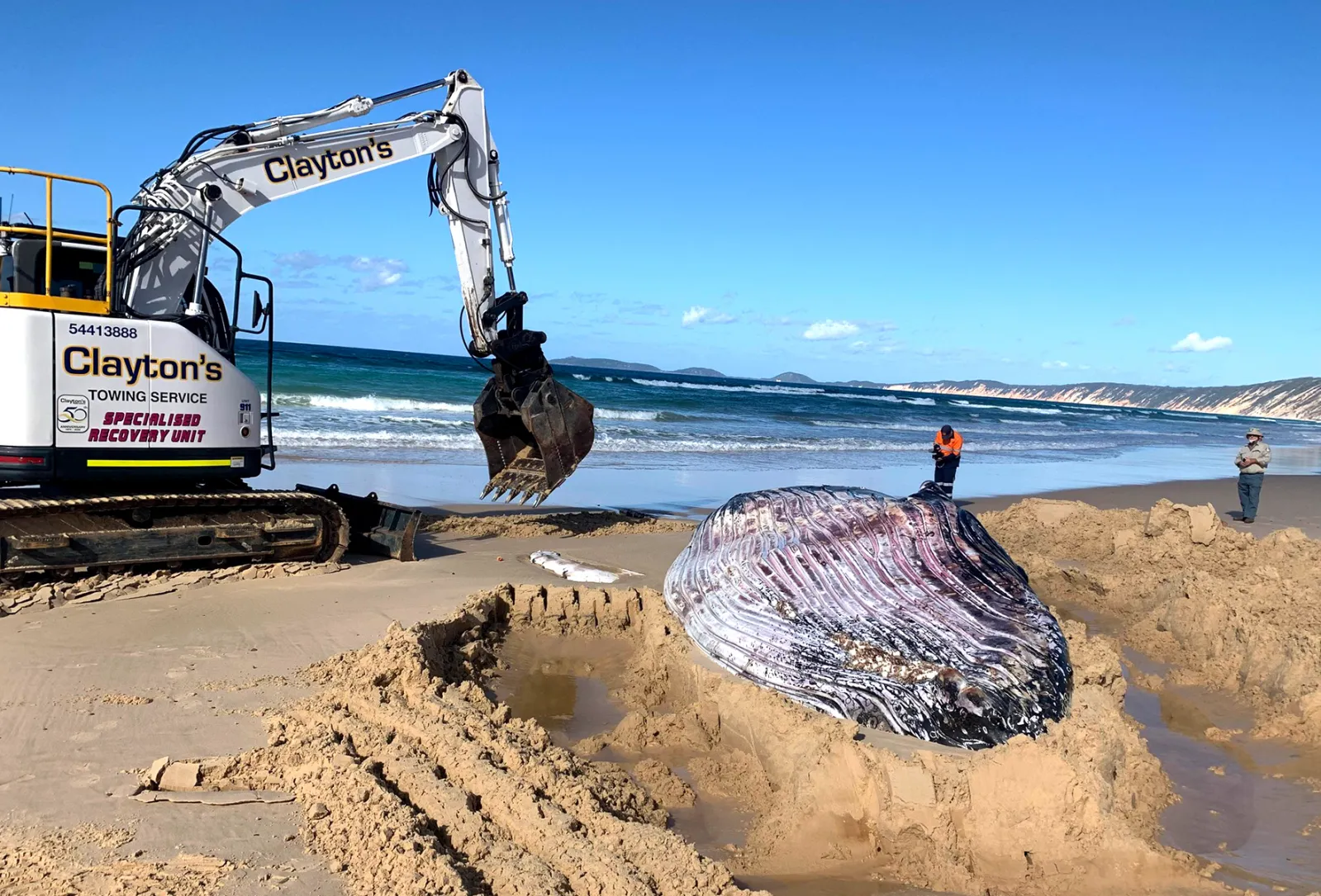
Clayton's Towing Service said they were called to do a "job with a difference" on Rainbow Beach in Queensland.
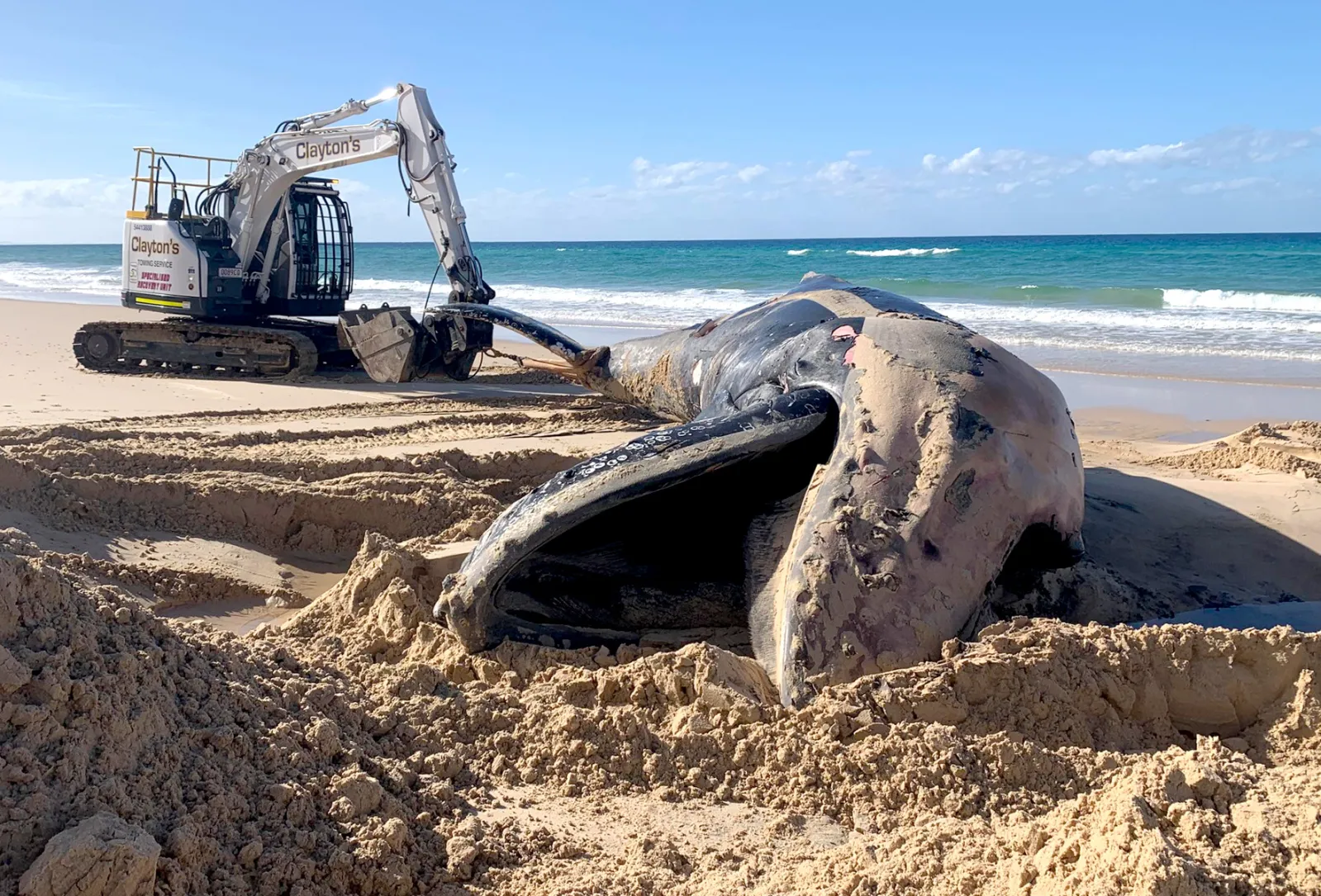
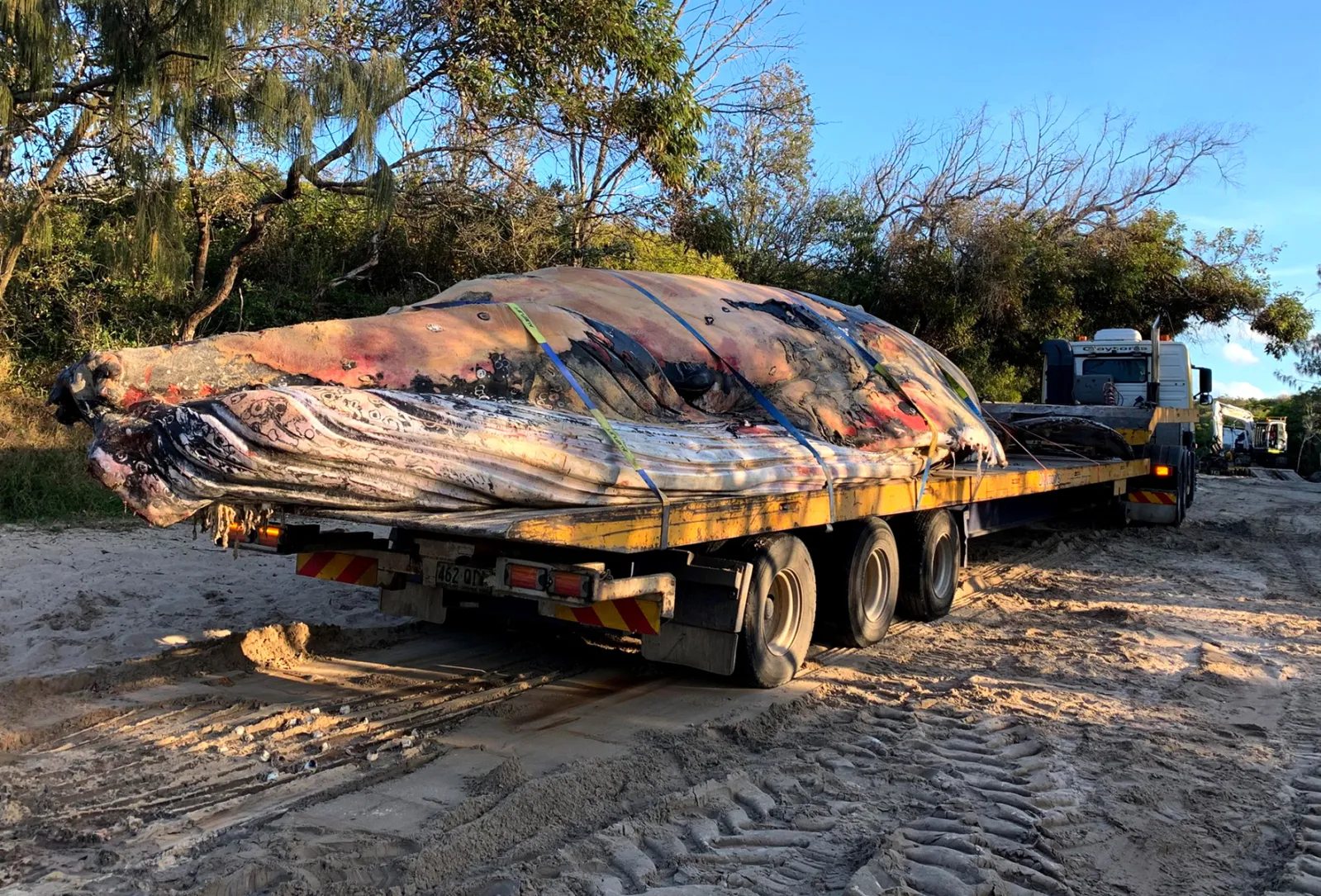
"After digging it out we then winched it out with the excavator, up through the cutting, onto our Super tilt. Was then transported away to go in one big hole and buried," the company said in a Facebook post.
Read More
Albino Whale Spotted Near Coast Might Be Famous Humpback Migaloo4 min read

Dead Shark Washes Up on Beach Hours After Killer Whale Hunting Spree3 min read

Extinct Hippo-Like Creature Discovered Hidden in Museum: ‘Sheer Chance’4 min read

...
In pictures posted by the company, a digger can be seen lifting the huge whale out of the sand and transporting it away from the area.
The whale weighed 18 tonnes, local newspaper The Chronicle reported. The options presented by Queensland Parks and Wildlife were either moving the whale away from the beach and further inland, or moving it further out to sea.
Marine mammals strandings like this are not uncommon and are a natural phenomenon that happen all over the world.
...
They can occur for a variety of reasons. Sometimes the animal is sick and unable to maneuver its way into deeper waters. Other times they are already dead when they wash up.
This particular humpback died of natural causes, The Chronicle reported.
Sometimes stranded marine mammals are left to decay naturally in the area where they washed up. This way they can provide food for other animals like birds but this depends on the area in question.
...
Dead whale carcasses attract sharks. Often, if a whale carcass is present near a beach, officials will warn swimmers to stay well clear of the area as sharks may swarm.
This carcass was from removed to prevent it attracting sharks to the area and to stop the decaying smell from sweeping across the beach.
Carcasses can pose a health hazard for humans.
"Whenever a whale strands, people are advised to stay away from the animal. Whales can carry zoonotic diseases, so people are advised never to touch them," a Department of Environment spokesman told The Chronicle. "People must be aware that if a whale is stranded in shallow water, sharks may be present. People may feel compelled to assist the animal, but personal safety must come first."
Up to 100 sharks were filmed feasting on a whale carcass in a "feeding frenzy" off the coast of Australia back in May 2022.
Do you have an animal or nature story to share with Newsweek? Do you have a question about whale strandings? Let us know via nature@newsweek.com.
View 0 Comments
Submit Correction
View Editorial & AI Guidelines