10
Loading video...

By Jasmine Laws
Reporter
0
Share
Newsweek is a Trust Project member
See more of our trusted coverage when you search.Prefer Newsweek on Googleto see more of our trusted coverage when you search.
Days after the Supreme Court handed agricultural manufacturer Bayer a major legal victory over its weedkiller Roundup, the Environmental Protection Agency (EPA) moved forward with decisions to approve or expand the use of six distinct pesticides, drawing sharp criticism from environmental advocacy groups.
Conservation organizations, including the Center for Food Safety (CFS) and the Center for Biological Diversity (CBD), warned the federal approvals—which cover the chemicals fluoxapiprolin, epyrifenacil, diflufenican, and trifludimoxazin, alongside expanded uses for chlormequat chloride and bifenthrin—could have severe ecological and health consequences. Environmental advocates characterized the regulatory actions as an accelerated push by the Trump administration to expand pesticide access following the high court’s late-June decision.
When contacted for comment, the EPA told Newsweek that "each active ingredient is already commercially available" and that "the proposed new uses would, if finalized, give farmers and other users a potential new alternative to older products and chemistries currently in use."
Read More on U.S.

...
What Was the Supreme Court's Ruling
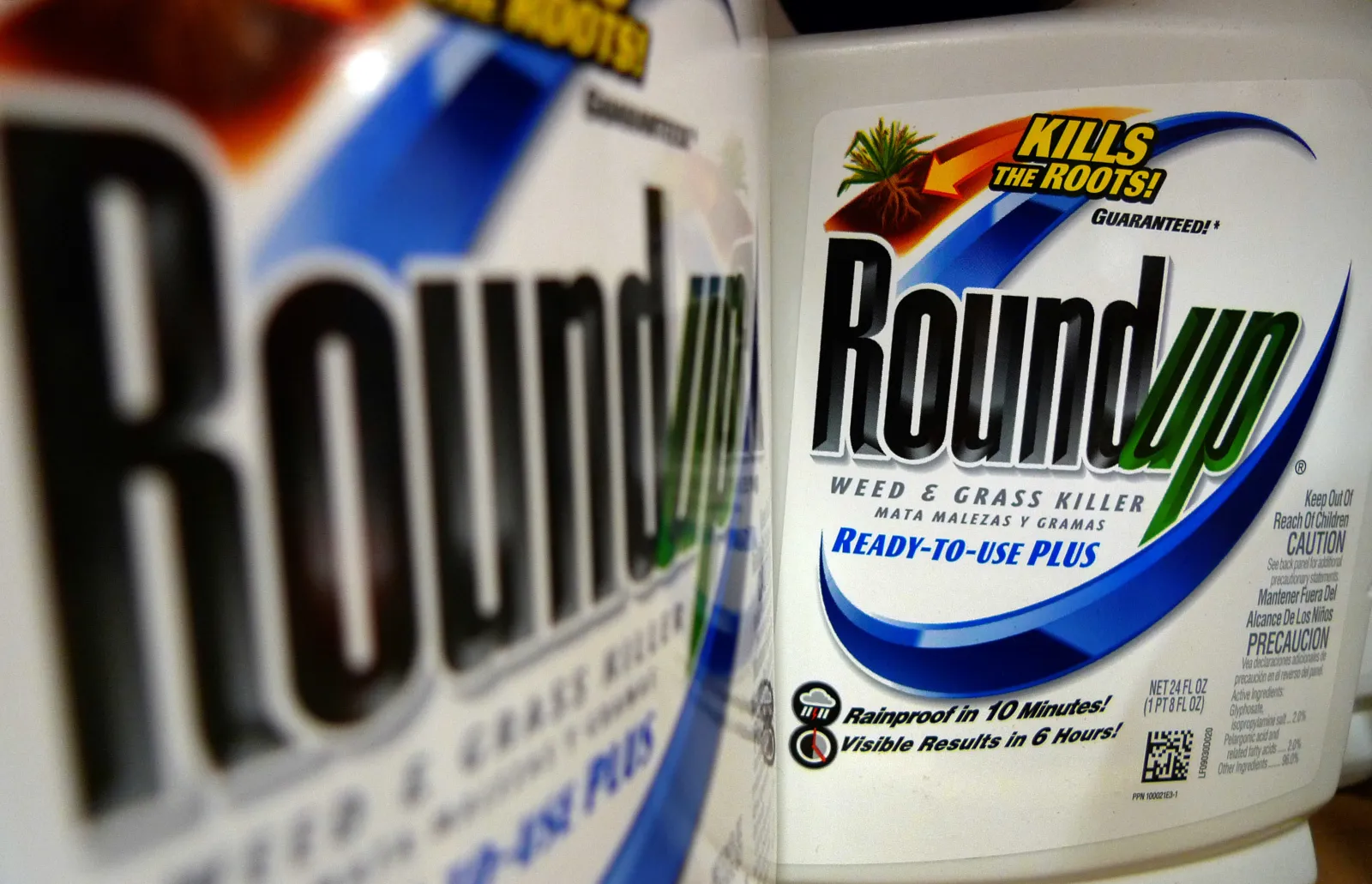
The EPA’s regulatory push follows a landmark Supreme Court decision in the ongoing litigation over Roundup, a glyphosate-based herbicide originally manufactured by Monsanto, which Bayer acquired in 2018.
In a 7–2 ruling in Monsanto Company v. Durnell, the court held that federal law preempts state-law claims, meaning consumers harmed by pesticides cannot sue manufacturers for failing to warn of potential health hazards on product labels. The decision effectively shields chemical companies from thousands of failure-to-warn lawsuits across the country.
The case before the court stemmed from Bayer’s attempt to overturn a $1 million judgment awarded to a plaintiff who alleged he developed non-Hodgkin lymphoma due to chronic Roundup exposure. Following its acquisition of Monsanto, Bayer faced roughly 200,000 similar claims.
The ruling represents a major setback for environmental organizations and public health advocates, including supporters of Secretary of Health and Human Services (HHS) Robert F. Kennedy Jr.'s "Make America Healthy Again" (MAHA) agenda, who have long lobbied against glyphosate use. The decision has also exposed a political fault line within the Republican Party, pitting MAHA health reformers against traditional, industry-focused advocates aligned with MAGA over the future of agricultural deregulation.
Related Story
Supreme Court May Soon Trigger MAGA–MAHA Rift
Epyrifenacil
Among the newly authorized chemicals is epyrifenacil, an herbicide approved by the EPA for use on corn, soybean, and wheat crops.
In its regulatory filing, the EPA determined that epyrifenacil features a "moderate acute toxicity profile," is "not likely to be carcinogenic to humans" at doses below those causing liver injury and that it "is anticipated not to produce" any negative endocrine or hormonal effects on humans.
However, conservation groups have labeled epyrifenacil a per- and polyfluoroalkyl substance (PFAS)-based pesticide. These synthetic "forever chemicals" do not break down naturally and have increasingly contaminated drinking water systems, with studies linking them to various adverse health outcomes.
The EPA, however, told Newsweek that "epyrifenacil, diflufenican, bifenthrin, and trifludimoxazin are each single-fluorinated-carbon compounds," and that single-fluorinated-carbon compounds are not included in the current federal definition of PFAS chemicals.
The agency added: "The Trump EPA has made addressing genuine PFAS contamination one of its defining priorities — which is exactly why the 'PFAS pesticide' mislabeling of single-fluorinated-carbon compounds is so counterproductive."
Both the CFS and the CBD also cited scientific studies which they said found epyrifenacil resulted in the development of liver tumors in laboratory rodents, arguing against the agency's classification the herbicide as "not likely to be carcinogenic to humans."
Diflufenican
The EPA also approved diflufenican for pre-plant and pre-emergence weed control in corn and soybean production. The agency's review concluded that the herbicide poses no human-health risks of concern when applied according to the approved label.
Environmental watchdogs disputed the findings, raising concerns about the chemical's environmental degradation. Critics note that diflufenican breaks down into 2,4-difluoroaniline malonate, a fluorinated chemical structurally similar to aniline—a toxic component found in tobacco smoke.
While the EPA classifies aniline as a probable human carcinogen, the CBD noted that the agency "did not require any studies to assess the cancer risks of diflufenican’s breakdown product 'in vivo' or in real-life settings."
Trifludimoxazin
Trifludimoxazin, a broad-spectrum herbicide, received approval for use on crops including wheat, oats, citrus fruits, apples, and almonds. The EPA’s assessment found no human health risks of concern under standard label instructions, though the agency mandated mitigation measures to reduce spray drift and runoff into non-target areas.
However, the EPA's official report acknowledged "suggestive evidence of carcinogenic potential" regarding the chemical.
Trifludimoxazin has been the subject of prior legal battles. In 2021, the CFS sued the EPA, alleging the agency ignored the drug’s impact on endangered species and aquatic plants. Following the litigation, manufacturer BASF voluntarily halted U.S. sales of the chemical in 2022 before the current regulatory renewal.
Fluoxapiprolin
Fluoxapiprolin was approved as a new systemic fungicide for a variety of fruits and vegetables.
Environmental groups urged caution, citing animal research indicating the chemical was linked to uterine and thymus tumors in female rats. Because fluoxapiprolin is a relatively new chemical compound, critics argue there is insufficient independent data regarding long-term human dietary exposure to justify its widespread introduction into the food supply.
Chlormequat Chloride
The EPA also moved to approve the first-ever domestic food uses of chlormequat chloride on wheat, barley, and oats.
The chemical, used to regulate plant growth, has drawn scrutiny from public health advocates after recent peer-reviewed studies detected its presence in the bodies of 90 percent of Americans tested. According to the CBD, exposure to the chemical is associated with reproductive harm.
Advocacy groups additionally pointed to the EPA’s own ecological risk assessment, which found that chlormequat chloride posed potential risks to birds, mammals, and honeybees.
Bifentrhin
The EPA expanded the permitted use of bifenthrin, an insecticide, to include additional consumer food crops such as coffee, kiwifruit, peas, kale, and broccoli. Like several of the other newly reviewed chemicals, bifenthrin contains fluorinated properties that have caused conservation groups to classify it alongside the broader category of persistent PFAS chemicals.
Contact Newsweek editors for this story: Daniel Orton and Anthony Murray.
View 0 Comments
Submit Correction
View Editorial & AI Guidelines