...

By Anna Skinner
Associate News Editor
0
Share
Newsweek is a Trust Project member
See more of our trusted coverage when you search.Prefer Newsweek on Googleto see more of our trusted coverage when you search.
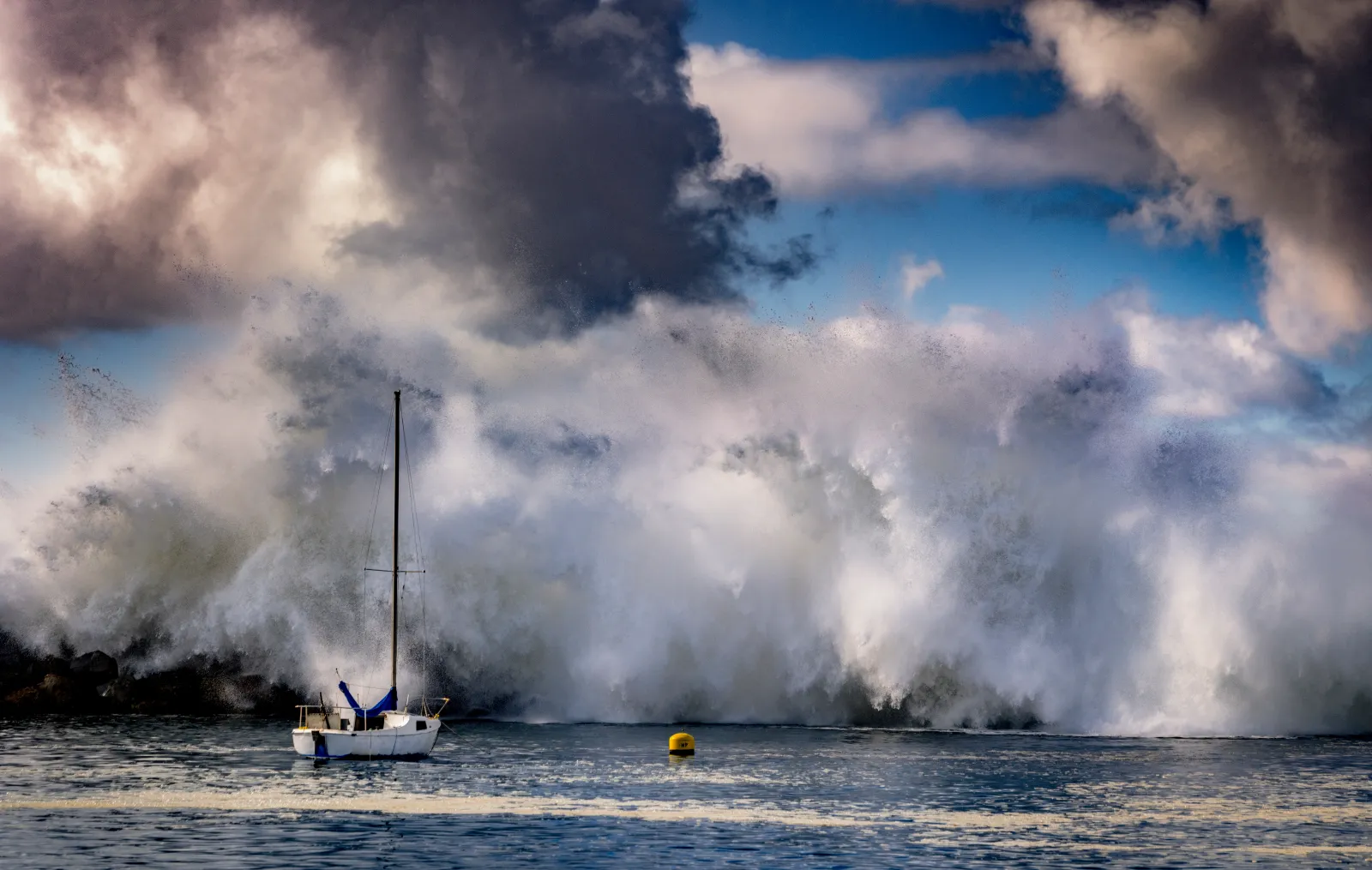
Dangerous ocean conditions were affecting the entire West Coast of the U.S. on Wednesday amid strong waves.
The National Weather Service (NWS) has issued a slate of advisories spanning the entire West Coast, warning residents, mariners and beach visitors of significant ocean hazards. The alerts cover a broad geographic stretch, highlighting threats from towering surf to hazardous conditions for small watercraft. The advisories come as powerful Pacific storms disrupt weather patterns across coastal Oregon, California and Washington, presenting public safety risks to land and sea.
Although chilly weather might be enough to keep people out of the water, going to look at the waves could be dangerous as well. NWS Portland meteorologist Daniel Hartsock told Newsweek that the waves are originating from a low-pressure system over the northern Pacific Ocean near Alaska.
Read More on U.S.
"It generated a lot of waves from that strong low-pressure system a few days ago, and that's going to push into our coastal waters later today and tomorrow," he said.
...
"Destructive waves may wash over beaches, jetties, and other structures unexpectedly. People can be swept off rocks and jetties and drown while observing high surf," NWS Portland said in a high-surf advisory. "Minor beach erosion may damage coastal properties and buildings. Higher than normal water run-up is expected on beaches and low-lying shoreline."
Alerts will begin as early as mid-morning Thursday for the Pacific Northwest, with some impact expected further south in California by Wednesday afternoon. Impacts will persist through Thursday morning or afternoon, depending on the location. Some breaking waves will be as high as 26 feet.
"Large breaking waves and sneaker waves can knock people off their feet, move driftwood and debris, and crash over rocks and jetties," NWS Seattle warned in its high-surf advisory. "People can be injured or drown while observing the ocean. Localized beach and coastal erosion is expected."
People living in California faced similar warnings, with large breaking waves and sneaker waves posing dangers in the Golden State as well.
"Large breaking waves can overpower swimmers resulting in significant physical injury and increase the risk of drowning," NWS San Francisco said in a high-surf advisory.
Boaters also could be impacted by the hazardous seas, with strong winds expected to cause dangerous waves.
"Inexperienced mariners, especially those operating smaller vessels, should avoid navigating in hazardous conditions," NWS San Francisco said in a small-craft advisory.
The NWS advises anyone near the coast—swimmers, surfers, mariners, and sightseers—to heed official warnings and avoid hazardous activities. Changing weather and sea conditions remain closely monitored, with the NWS providing updates as new data become available. Residents are strongly encouraged to check official NWS resources for the latest weather and safety information.
View 0 Comments
Submit Correction
View Editorial & AI Guidelines