
...

By Melissa Fleur Afshar
Reporter
0
Share
Newsweek is a Trust Project member
See more of our trusted coverage when you search.Prefer Newsweek on Googleto see more of our trusted coverage when you search.
When HBO's Euphoria first aired in 2019, it felt like something from the future, with its glossy, blue-scale lighting, sequined makeup looks and boundary-pushing storylines.
With the show now in its third season, it feels like the world has already moved on, leaving the once culture-driving program a post-watershed aesthetic relic.
It is a remarkable fall from cultural grace for a series that pushed Zendaya, Sydney Sweeney, and Jacob Elordi—now some of Hollywood's biggest names—into the spotlight. But Euphoria flopping is less about its set pieces and storylines and more about how quickly the social attitudes and trends it once reflected have changed.
Read More on Entertainment
The Internet Moved on and Left ‘Euphoria’ Behind
"Euphoria becoming 'dated' says a lot about how quickly internet culture moves," social-media expert Estelle Keeber told Newsweek. "In 2019, the show perfectly captured the peak Instagram era.
"Everything online was highly curated, dramatic, aesthetic-led and performative. Chaos was glamorized. Even vulnerability online often felt polished or cinematic."
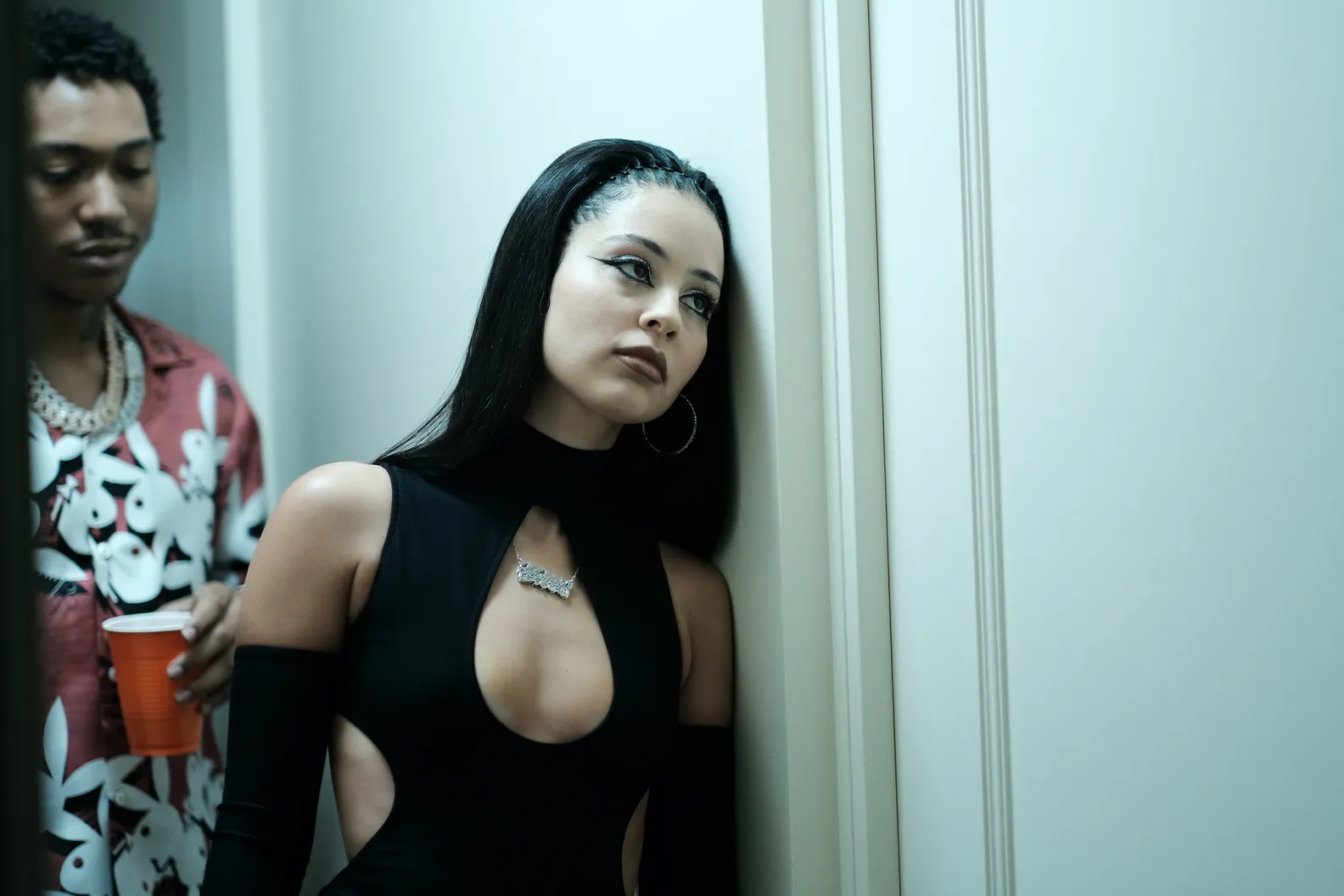
That cultural moment dissolved after TikTok emerged, ushering in shorter attention spans, faster-moving trends, and an audience hunger for less produced, more authentic content. Euphoria's painstakingly polished, excessive portrayal of teenage suffering, once regarded as televised high art, now registers, to many viewers, as a mirror to the performative excess they have learned to distrust.
"There's also been a huge shift from 'aspirational dysfunction' to comfort content," Keeber added. "During the 2010s, there was a cultural obsession with messy esthetics, toxic relationships and dramatic self-destruction online.
"Now, audiences are leaning toward cozy, calming and familiar content because life already feels chaotic enough," the social-media expert said.
...
It is a diagnosis echoed by Roman Vdovchenko, co-founder of Spiry, an AI-powered tool designed to help creators avoid burnout.
"This year, after 18 months of AI-generated content flooding every feed, Gen Z has become sensitive to anything that feels artificial or 'soulless,'" Vdovchenko told Newsweek. "That's why raw and slightly out-of-focus content has become its own visual language."
A Poor Portrayal of Real-Life Issues
While Euphoria once tried to speak on young people's most turbulent inner lives, Vdovchenko said the show has fundamentally misjudged where that generation now stands emotionally and economically.
"A generation living with genuine financial anxiety—no realistic path to homeownership, AI replacing entry-level jobs—doesn't want to watch beautifully lit despair," Vdovchenko added.
Another group of viewers now largely disillusioned with the show are OnlyFans creators who took issue with the portrayal of Sydney Sweeney's Cassie Howard as she pursues an OnlyFans career in season three.
The plot device has been condemned online as degrading, out of touch, and, most damningly, as making the grind of building an OnlyFans presence look easy. For creators who have fought to have their content taken seriously in an over-saturated market, it is a pointed slight from a show that has long traded on a supposed understanding of real-life issues.
...
Professional reviewers and casual viewers alike had also drawn uncomfortable comparisons between Euphoria and The Idol—Sam Levinson's previous HBO venture, which flopped spectacularly—noting a shared tendency to mistake provocation for profundity.
Though season three cycled through contemporary cultural talking points such as OnlyFans, Republican politics, capitalism and financial precarity, the topics appeared dished out with the hollow confidence of a costume drama. And beneath the heavy makeup and saturated lighting, something felt not just dated, but, to many, also distasteful, with the show frequently being accused by viewers online of sexualizing its cast.
Lori Bindig Yousman, a professor of communication and TV expert, told Newsweek that Euphoria always carried a fundamental tension at its core.
"Young viewers flock to teen-centered series because they identify with them or find them aspirational," she added. "However, unlike Skins, Euphoria's characters were so lost or unlikeable that it becomes difficult to relate to or root for them."
Fans of Pretty Little Liars, Gossip Girl or Riverdale always understood that the absurdity of the story was part of the pleasure and viewers were in on that joke, but Euphoria offers no such hint. Its sensationalism has asked to be taken seriously; in 2026, that is harder to accomplish.
"Audiences are left unsettled and disturbed by the at-times exploitative stories," Yousman said. "When dealing with the fraught state of the real world, Euphoria’s nihilism may be far less enticing to today’s viewers. In a culture where the rights of women, people of color, and the LGBTQ+ community are threatened, audiences may be less interested in seeing characters treated in demeaning ways.
"Rewatching comfort shows may be more appealing," Yousman added.
View 0 Comments
Submit Correction
View Editorial & AI Guidelines