
By H. Alan Scott
Senior Editor
0
Share
Newsweek is a Trust Project member
See more of our trusted coverage when you search.Prefer Newsweek on Googleto see more of our trusted coverage when you search.
For decades, horror fans have watched awards shows come and go with rarely a mention of a genre that, in 2025 alone, grossed over $1.3 billion at the box office thanks to hits like Sinners and Weapons. While these films are traditionally relegated to the technical “basement” of the Oscars, this year, no one saw the jump scare coming. When the dust settled after nominations were announced for the 98th Academy Awards, the narrative hadn’t just changed—it had been rewritten in blood.
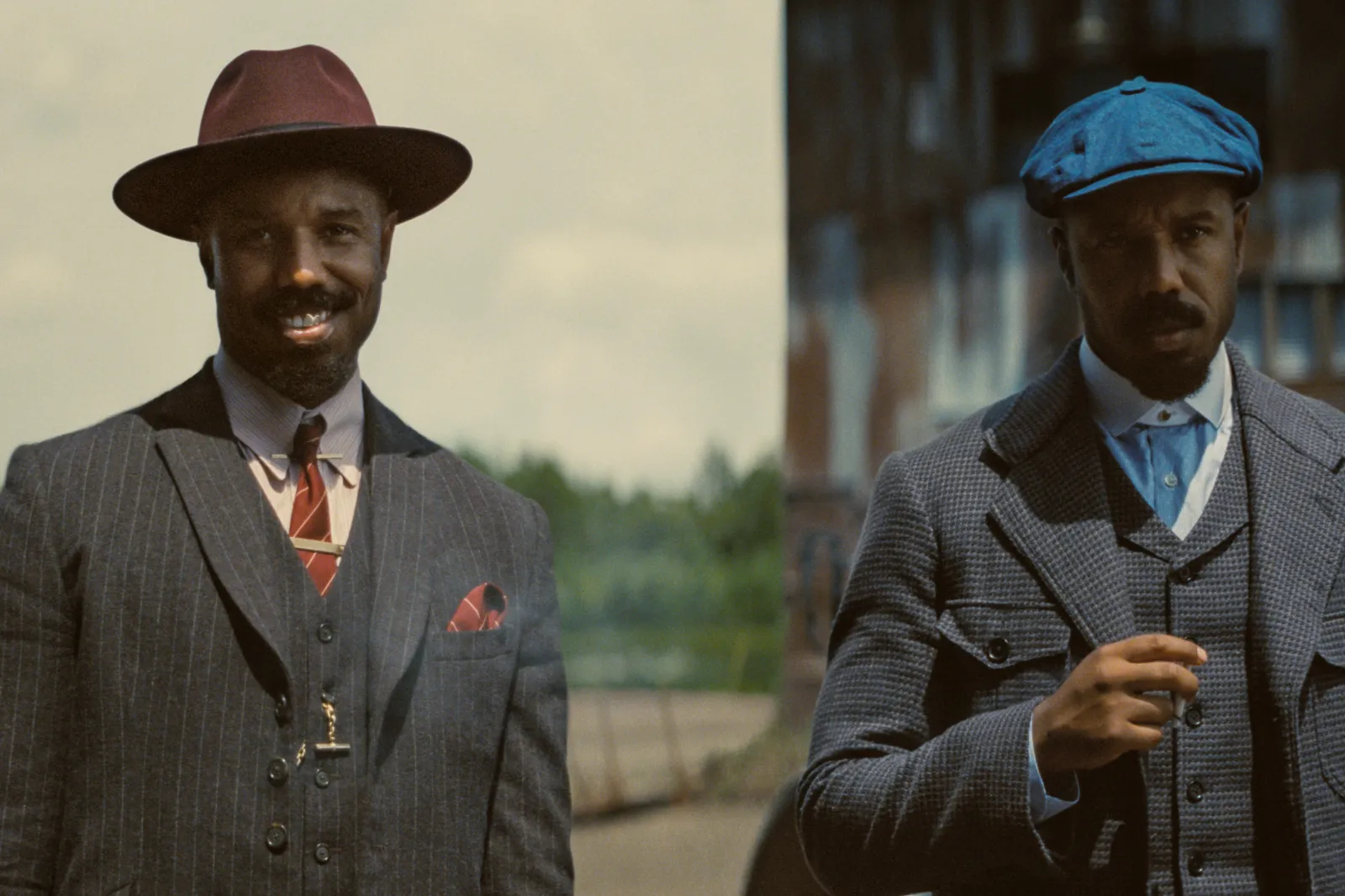
At the center of it all is Ryan Coogler’s Sinners. This Jim Crow-era vampire epic didn’t just land a few nods; it became the most nominated film in the history of the Academy with a staggering 16 mentions, shattering the 14-nomination record previously shared by All About Eve (1950), Titanic (1997) and La La Land (2016). Flanking Sinners this year are Guillermo del Toro’s soulful Frankenstein with nine nominations and a fan-favorite nod for Amy Madigan in Weapons, whose scene-stealing performance as the occultist Aunt Gladys has become an instant cultural phenomenon.
...
For years, the Academy’s occasional flirtations with horror—the cultural reset that dragged “fringe” supernatural horror into prestige with The Exorcist (1973), the clean awards sweep of The Silence of the Lambs (1991) or the social urgency that turned racial microaggressions into cinematic terror in Get Out (2017)—were treated as outliers. They were the exceptions that proved the rule: the Academy was generally too squeamish to reward the macabre. However, as we look at the Class of 2026, the question is no longer whether horror can be “prestige.” The question is whether the Academy has finally realized that the genre’s ability to mirror our collective anxieties makes it the most vital art form we have.
Ghosts of Oscars Past
To understand why the 2026 nominations feel so revolutionary, look back at the sparse, lonely landscape of horror’s history. For nearly a century, the genre existed in a “technical ghetto,” recognized for the craft of its monsters while the performers bringing them to life were ignored. While Fredric March won the 1933 Best Actor prize for Dr. Jekyll and Mr. Hyde, the decades that followed treated horror as a freak occurrence in the major categories—a cinematic eclipse that only happened once every few generations.
...
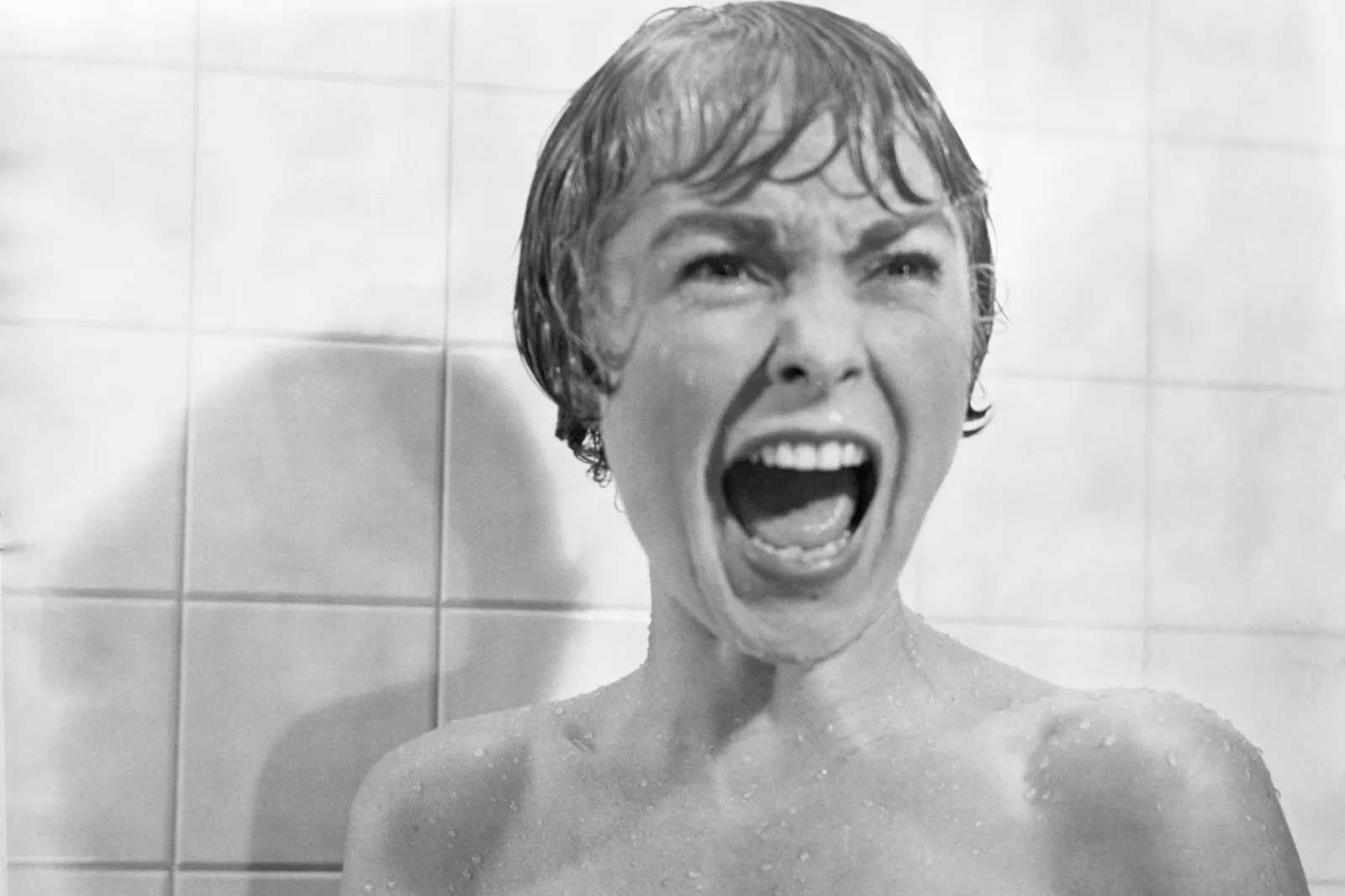
The 1960s teased us with glimpses of respectability; Alfred Hitchcock’s Psycho (1960) earned four nominations, including a Best Director nod that acknowledged horror could be high art, even if the Academy was too timid to recognize Anthony Perkins’ career-defining lead performance as Norman Bates. It wasn’t until The Exorcist that horror truly shook the Academy’s foundation with 10 nominations, though it was largely shut out of the major prizes. It took nearly 20 more years for the Academy to fully surrender to the dark side with The Silence of the Lambs’ cannibal serial killer. Jonathan Demme’s 1991 masterpiece remains the only horror-thriller to sweep the “Big Five” (Picture, Director, Actor, Actress and Screenplay), a feat so rare it has only been matched by It Happened One Night (1934) and One Flew Over the Cuckoo’s Nest (1975). Yet rather than opening the floodgates, Lambs was treated as a singular anomaly, followed by another long silence broken only by the topical horror of Jordan Peele’s Get Out.
Horror Breaks Down the Door
If previous decades were characterized by horror films politely (and creepily) waiting on the porch, hoping for an invitation to enter the Academy’s inner sanctum, 2026 is the year the genre stopped asking for permission. It didn’t wait to be “invited in”—it kicked the door off its hinges. The success of Sinners suggests the Academy has finally reconciled its love for historical epics with the visceral thrills of the popcorn flick. By using vampire mythos to explore the Black experience in the 1930s South, Coogler forced voters to take the genre seriously under the guise of a “socially significant” shield that also proved to be a crowd-pleaser.
However, it should be noted, this shift didn’t happen in a vacuum. It is the direct result of a decade-long mission to diversify the voting body following the #OscarsSoWhite campaign. Since 2015, the Academy has invited thousands of new members—nearly half of whom are international—fundamentally altering the electorate’s “taste.” This younger, genre-fluid voting block is no longer bound by past prejudices; they are just as likely to reward a terrifying vampire epic as a traditional period piece. (Though it must be noted that while the overall slate is more inclusive, the Best Actress category this year remains entirely white.)

...
Horror Acting Breakthrough: Not Just A Little Old Lady
While Sinners and Frankenstein represent advancements in the genre’s scale, Madigan’s Best Supporting Actress nomination highlights a shift in how the Academy views horror acting. When the Academy does reward the grisly, it is usually for performances that turn “scary” into something human and undeniable—think Kathy Bates’ legendary Best Actress win for Misery (1990), where she transformed a Stephen King villain into a tragic, terrifying double act as both the victim and the villain. Historically, icons like Toni Collette (Hereditary, 2018) and Lupita Nyong’o (Us, 2019) were famously snubbed because their work was dismissed as seemingly “just screaming.”
Madigan’s performance as Aunt Gladys—complete with a bright red wig, baby bangs and a penchant for witchcraft—is unapologetically over-the-top. Yet, her path to winning feels remarkably similar to Ruth Gordon’s in Rosemary’s Baby (1968). Like Madigan, Gordon was a seasoned industry veteran—before fame as an actor, she was an Oscar-nominated screenwriter—who took home the Oscar for playing a deceptively “normal” neighbor harboring a dark secret. Both performances weaponize the audience’s comfort with a beloved character actor, twisting it into something predatory. If Madigan takes home the gold statuette on March 15, it will be an admission that horror performances require a level of psychological vulnerability that traditional dramas rarely demand.
Horror’s New Blood Type
“Nothing is so painful to the human mind as a great and sudden change,” Mary Shelley wrote in Frankenstein. This could easily apply to the Academy’s slow acceptance of the spooky. For too long, horror had to perform a miracle just to get an invitation. Now, a film like Sinners joins the party as the most nominated movie in history.
While the Academy is notorious for backsliding into its “prestige drama” comfort zone, 2026 feels less like a fluke and more like a permanent change in the industry’s blood type. Horror has always told us the truth about ourselves when we’re too afraid to look. It finally feels like the Academy is not too afraid of a little jump scare.
View 0 Comments
Submit Correction
View Editorial & AI Guidelines