...
By Jesus Mesa
Reporter
0
Share
Newsweek is a Trust Project member
See more of our trusted coverage when you search.Prefer Newsweek on Googleto see more of our trusted coverage when you search.
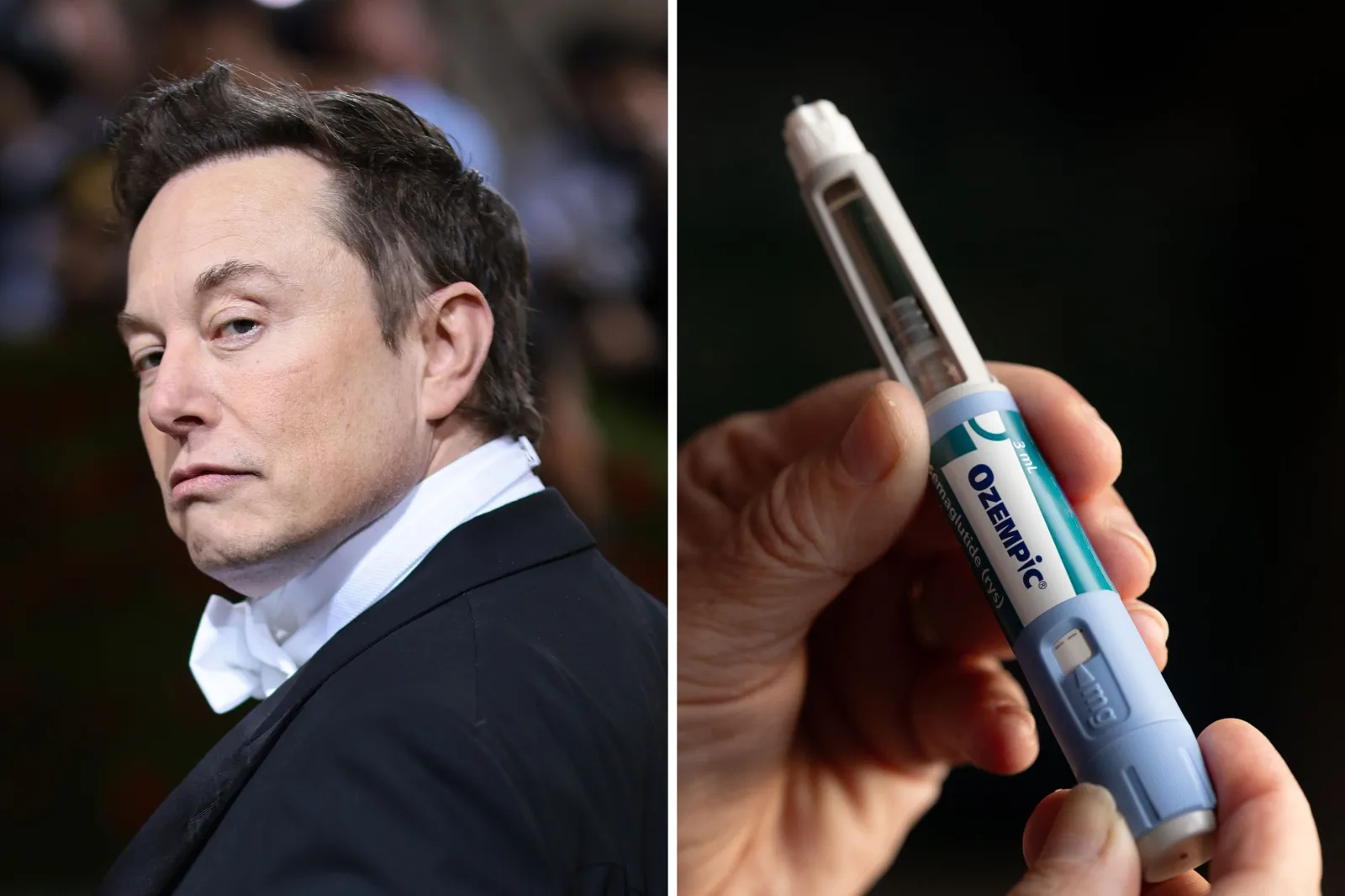
Elon Musk is pushing for the federal government to make GLP-1 weight-loss drugs like Ozempic cheap and widely available, calling it the single biggest opportunity to improve American health.
But as co-chief of President-elect Donald Trump's Department of Government Efficiency (DOGE), Musk is also championing an aggressive effort to cut $2 trillion in federal spending—a mission seemingly at odds with the cost of subsidizing a drug that can run up to $1,000 a month.
"Nothing would do more to improve the health, lifespan and quality of life for Americans than making GLP inhibitors super low cost to the public," Musk wrote on his social media platform X. "Nothing else is even close."
Read More on Politics
The timing of Musk's remarks is notable. Just weeks earlier, the Biden administration proposed a $35 billion plan to allow Medicare and Medicaid to cover GLP-1 drugs like Ozempic and Wegovy, a move that would grant millions of low-income and older Americans access to the high-priced medications.
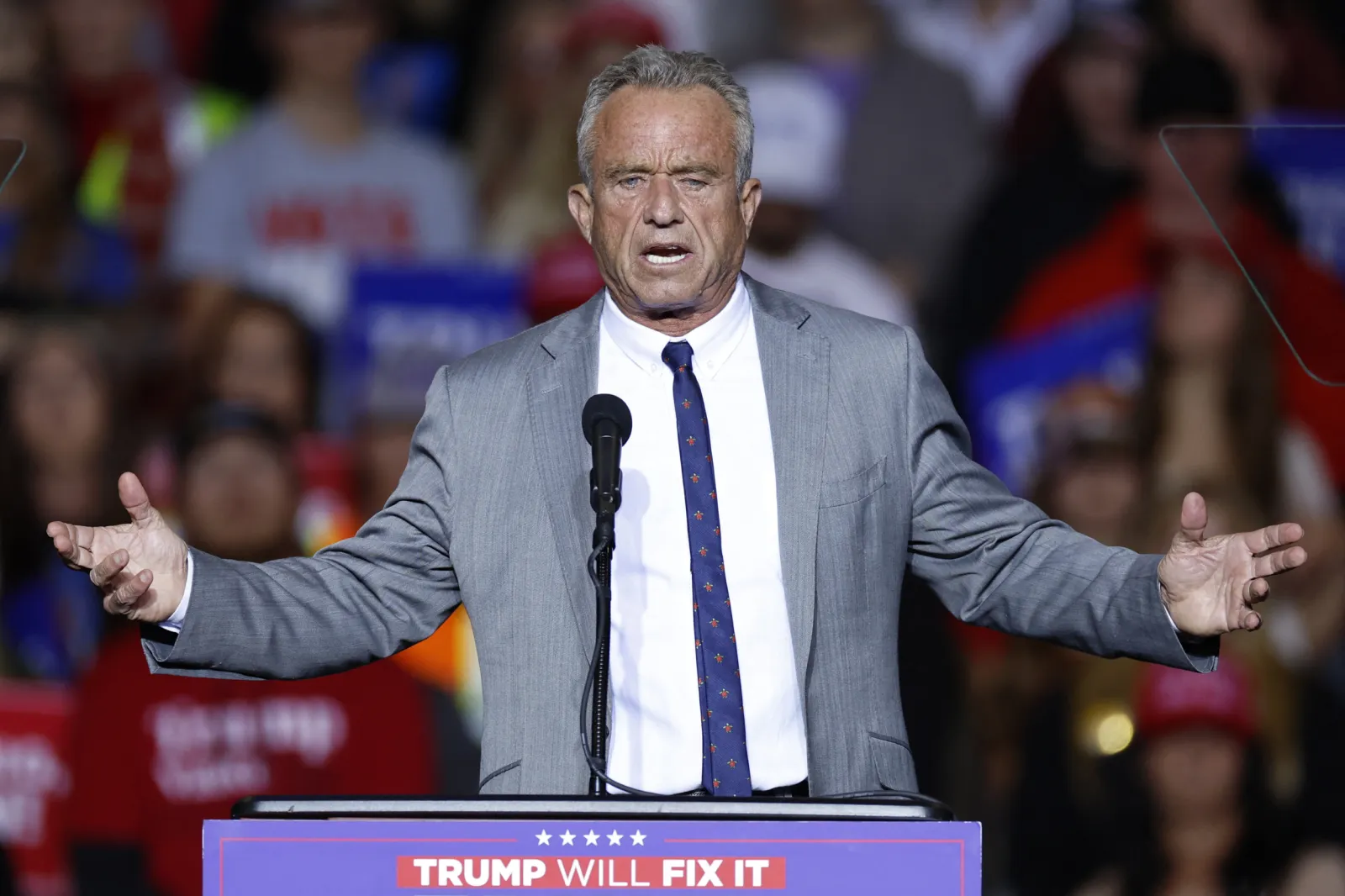
But that plan's fate now rests in the hands of Trump and his incoming administration, which has sent mixed signals on the idea. Robert F. Kennedy Jr., Trump's controversial pick to lead the Department of Health and Human Services (DHHS), has called for Medicaid and Medicare to fund gym memberships and healthier food instead.
"They're counting on selling it to Americans because we're so stupid and so addicted to drugs," Kennedy said during an appearance on Fox News' Gutfeld! that he later posted to Instagram, concluding that Ozempic is not going to "Make America Healthy Again."
...
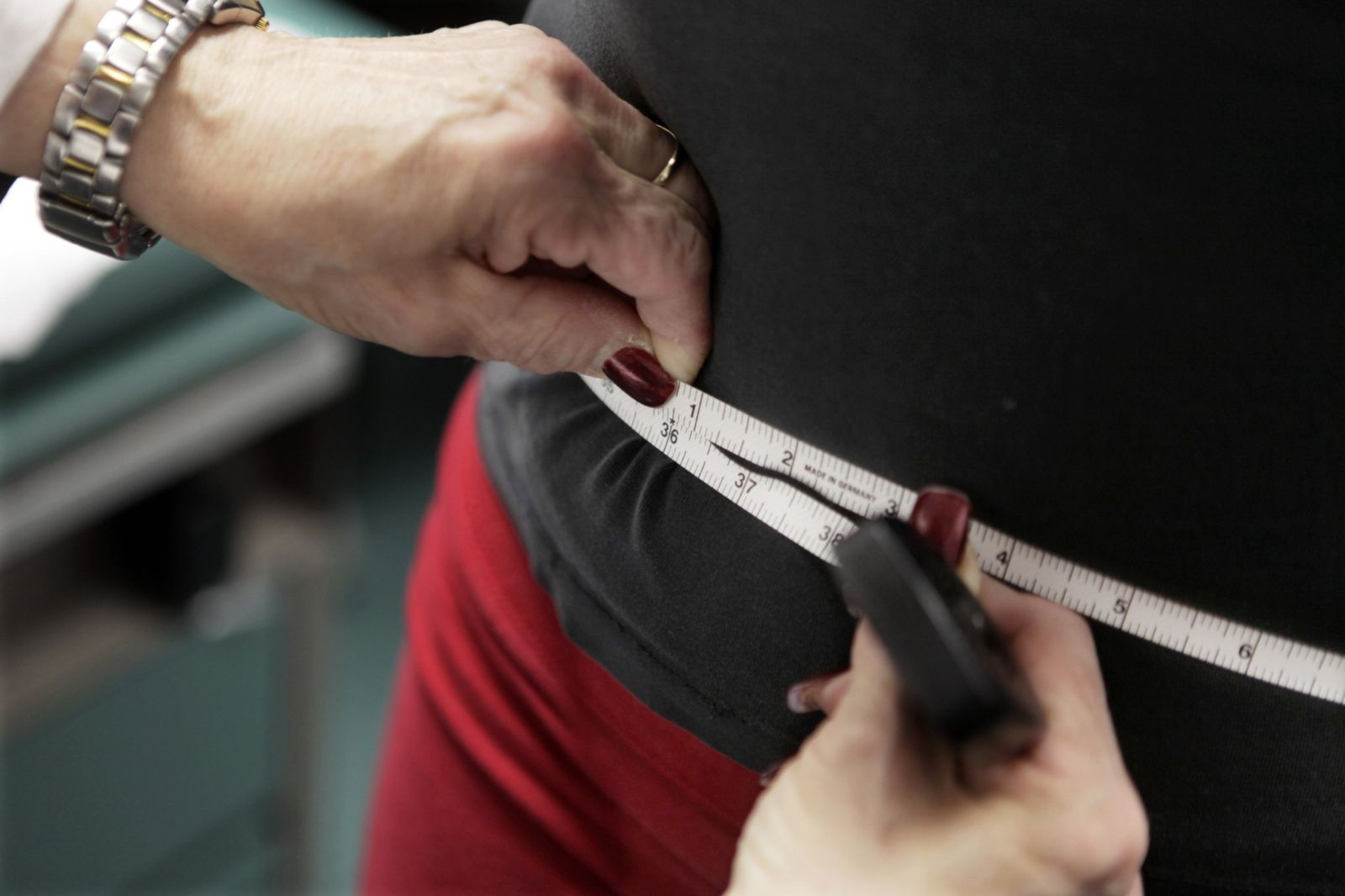
Musk's push for cheaper GLP-1 drugs comes as public demand for weight-loss medications surges. Since 2013, the number of adults living with obesity in the U.S. has risen sharply, with more states now reporting over 35 percent of their adult population classified as obese, according to the latest Centers for Disease Control and Prevention data.
Clinical trials have shown that users of these medications can lose 15 percent to 22 percent of their body weight, a life-changing result for people struggling with obesity. But the drugs cost from $500 to $1,000 per month, and most health insurers have refused to cover them when prescribed for weight loss.
Dr. Cynthia Cox, vice president at KFF (formerly Kaiser Family Foundation), a nonprofit that offers information, analysis and research on health policy, acknowledged the potential health benefits but noted the financial challenge.
"These drugs cost around $500 to $1,000 per month. So, even if they prevent diabetes or heart disease down the road, that potential savings isn't enough to offset the high monthly cost of the drug," she told Newsweek.
According to a KFF analysis, the list price of Ozempic in the United States is $936 per month, more than five times the cost in Japan, where it sells for $169—the second-highest price among the countries studied. Similarly, Wegovy, another medication with the same active ingredient as Ozempic, is roughly four times as expensive in the U.S. ($1,349) compared to Germany ($328).
A $35 Billion Dilemma
The Biden administration's proposal would reinterpret a 2003 federal law to allow Medicare to cover weight-loss drugs, which it currently cannot do. The plan would also expand Medicaid coverage for these medications. If fully implemented, roughly 7.5 million people on Medicare and up to 28 million on Medicaid could qualify for access to these treatments.
The proposal's cost is no small matter. The DHHS estimates that federal spending on GLP-1 coverage would total $35 billion over the next decade. That figure stands in stark contrast to the pledge by Musk and biotech billionaire Vivek Ramaswamy—who will co-direct DOGE—to slash federal waste and spending. Ramaswamy, specifically, has been a vocal critic of federal spending on health care subsidies.
...
"We need to scrutinize U.S. government funding of 'non-government organizations,'" Ramaswamy wrote on X, formerly Twitter, calling government-backed programs "a waste of taxpayer dollars."
While Musk frames his support for cheaper GLP-1s as a long-term cost-saving measure, the Congressional Budget Office (CBO) has reported no direct evidence that making the drugs more accessible would reduce overall health care costs. Even if obesity-related health issues are reduced, critics argue, it would take years for those savings to be realized.
In a report released in October, the CBO warned that subsidizing GLP-1 drugs could have unpredictable costs due to several key uncertainties. It is unclear how many people would use the drugs or for how long, especially if newer versions prove more effective.
"The budgetary effects of the illustrative policy are highly uncertain and sensitive to the rapidly evolving, real-world data on use, savings from improved health, prices, eligibility for treatment, and other factors associated with the newer class of anti-obesity medications (AOMs)," the report reads.
Price Negotiation, Competition and Reform
But according to Cox, federal subsidies are not the only way to make GLP-1 weight-loss drugs like Ozempic more affordable. She highlighted several alternative approaches that could reduce costs without directly relying on taxpayer-funded subsidies, such as price negotiation, increased competition and regulatory reforms.
"It's expected that semaglutide—the active ingredient in Ozempic and Wegovy—will be up for negotiation as soon as this coming year," Cox said. "This would allow the federal government to bargain with pharmaceutical companies for lower prices on GLP-1 drugs, reducing costs for Medicare beneficiaries and, in turn, lowering the financial burden on taxpayers."
...
"We might even get an announcement on that in the next month or two," Cox added.
Dr. David Ludwig, nutrition and obesity expert at Harvard University, called for a more balanced approach, according to the Associated Press (AP). "It's appropriate to treat the problems that we now face with drugs, but let's not stop there," Ludwig said. "Let's identify what's causing the problem and ultimately rely on these drugs—which have side effects—less and less over time."
Dr. Andrew Kraftson, who treats obese patients at the University of Michigan, told AP that he is also encouraged by the possibility that more of his patients might be able to afford these drugs. "I'm advocating for their thoughtful use," Kraftson said.
Still, the path forward is uncertain. Trump's incoming administration will have to decide whether to embrace Biden's proposal to expand coverage for GLP-1 drugs, despite the potential conflict with DOGE's broader cost-cutting mission.
View 0 Comments
Submit Correction
View Editorial & AI Guidelines