10
Loading video...

By Joe Edwards
Reporter
0
Share
Newsweek is a Trust Project member
See more of our trusted coverage when you search.Prefer Newsweek on Googleto see more of our trusted coverage when you search.
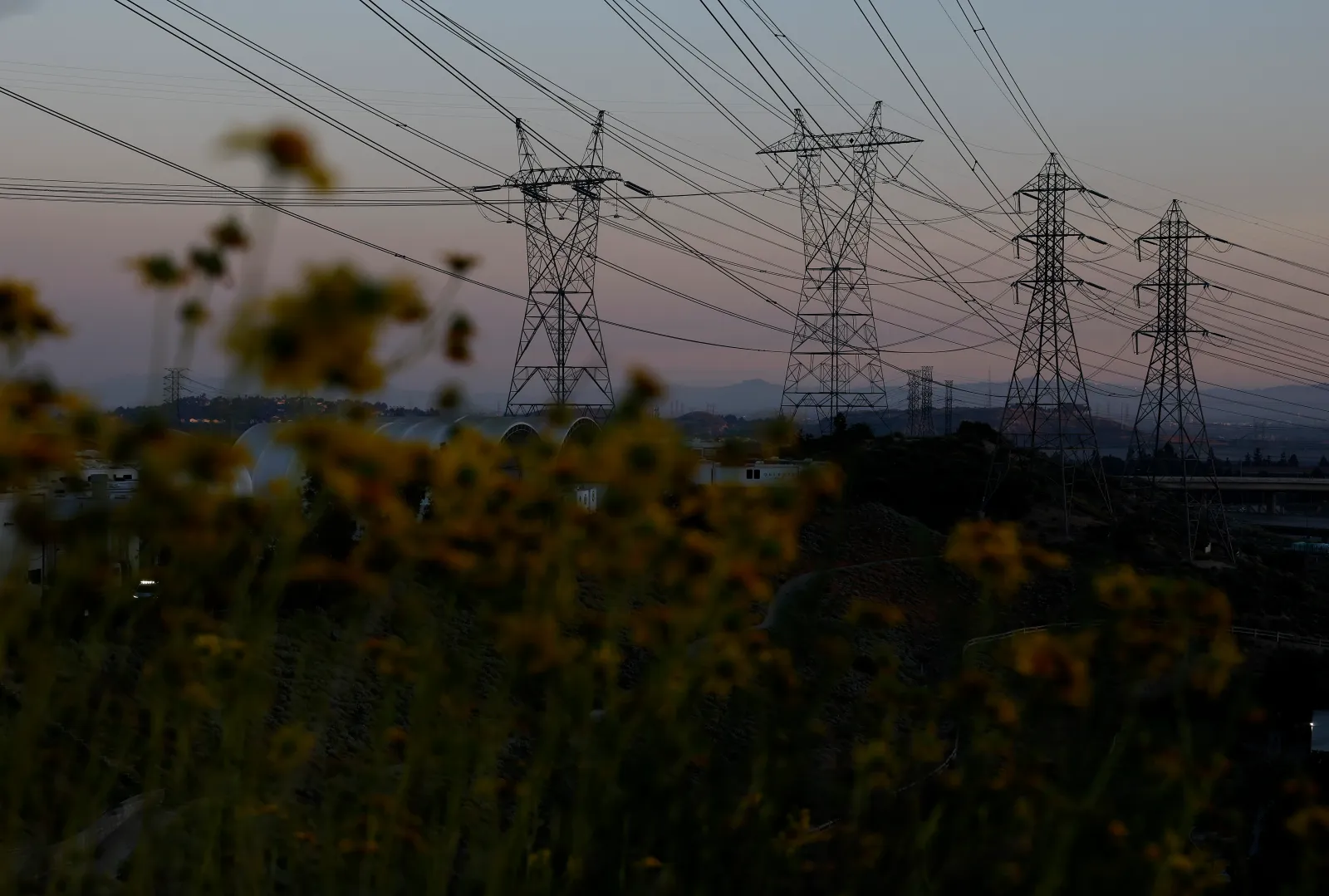
Federal regulators have blocked a plan that would have allowed the operator of the nation’s largest regional power grid to reduce electricity use by certain new data centers when supplies became dangerously tight.
PJM Interconnection, which coordinates electricity across all or parts of 13 states and the District of Columbia, proposed allowing new data centers and other large users requiring at least 50 megawatts to connect without matching new generating capacity if they agreed to possible power cuts during periods of grid stress. The Federal Energy Regulatory Commission, or FERC, rejected that framework, finding that key provisions appeared to intrude on state authority over retail electricity service.
The ruling came after the Department of Energy placed the PJM Interconnection region under a temporary emergency order intended to reduce the risk of blackouts, underscoring the challenge of meeting rapidly rising electricity demand while protecting existing customers.
The dispute comes amid growing political backlash over the data centers needed to support artificial intelligence and cloud computing. Across the U.S., residents and lawmakers from both parties are raising concerns about electricity costs, pressure on power grids and water supplies, and whether existing customers will be left paying for new infrastructure. Data center restrictions and other measures are appearing on state and local ballots during the 2026 midterms, while lawmakers are considering policies intended to make large technology companies cover the costs associated with their electricity demand.
Read More on News
“PJM proposed IRAS [Interim Resource Adequacy Service] to address the growing electricity reliability challenge where electricity demand is increasing faster than new generation is coming online,” a PJM Interconnection spokesperson told Newsweek.
“It is based on the concept that existing customers should not bear the consequences of that imbalance and would require data centers and other large loads to fulfill the commitments they made, through the Ratepayer Protection Pledge, to help maintain the reliability and affordability of the electric grid.”
...
Emergency Order Issued ‘to Mitigate Blackout Risks’
FERC’s decision came as the Department of Energy issued an emergency order to reduce the risk of blackouts across the territory managed by PJM.
Energy Secretary Chris Wright said the order was issued “to mitigate blackout risks in the mid-Atlantic ahead of a period of elevated demand, a high rate of planned generator outages during the autumn maintenance season, and numerous planned transmission outages,” the Department of Energy said in a Monday statement.
The order directed PJM to bring specified power-generating units online when required to maintain reliable supply. It took effect on October 13 and was set to remain in place through October 16, according to the Department of Energy’s statement.
Related Story

Lawmakers Who Opposed AI Data Center Bill to Keep Electricity Costs Low
PJM said the agency’s order “allows PJM to call on generators in excess of their operating permits as needed and to direct data centers and other Large Loads onto backup generation if necessary.” The organization added that it is currently in planned maintenance season, when transmission and generation facilities are taken out of service for maintenance ahead of peak winter demand.
In a statement emailed to Newsweek, PJM said that rising baseload electricity demand is outpacing the addition of new capacity, while unpredictable weather patterns are leaving fewer days available for maintenance and construction on generation and transmission infrastructure.
“This is the new reality that grid operators are facing, but PJM is confident that our procedures, along with the DOE orders, gives us additional tools to maintain our reserve margins and allow us to operate reliably,” it said.
“Planned maintenance season will continue to present risks that we formerly faced only in Summer and Winter. PJM is working with state and federal policymakers to address these conditions by increasing supply on multiple fronts, including speeding the connection of new electricity supply and removing state permitting barriers that are outside of PJM’s jurisdiction.”
Which States Does PJM Cover?
PJM manages the flow of electricity across all or parts of 13 states—Delaware, Illinois, Indiana, Kentucky, Maryland, Michigan, New Jersey, North Carolina, Ohio, Pennsylvania, Tennessee, Virginia and West Virginia—as well as the District of Columbia. The organization says it serves more than 67 million people.
"We are reviewing the Commission’s order with an eye toward how we can fulfill FERC’s requirements while recognizing the responsibilities FERC indicated belong to the states and honoring the concept that existing electricity customers should not be unfairly burdened by new, energy intensive customers in the form of higher costs or decreased reliability," the PJM spokesperson added.
Contact Newsweek editors on this story: John Fitzpatrick and Dave Siminoff.
View 0 Comments
Submit Correction
View Editorial & AI Guidelines