...

By Shane Croucher
Senior Editor
0
Share
Newsweek is a Trust Project member
See more of our trusted coverage when you search.Prefer Newsweek on Googleto see more of our trusted coverage when you search.
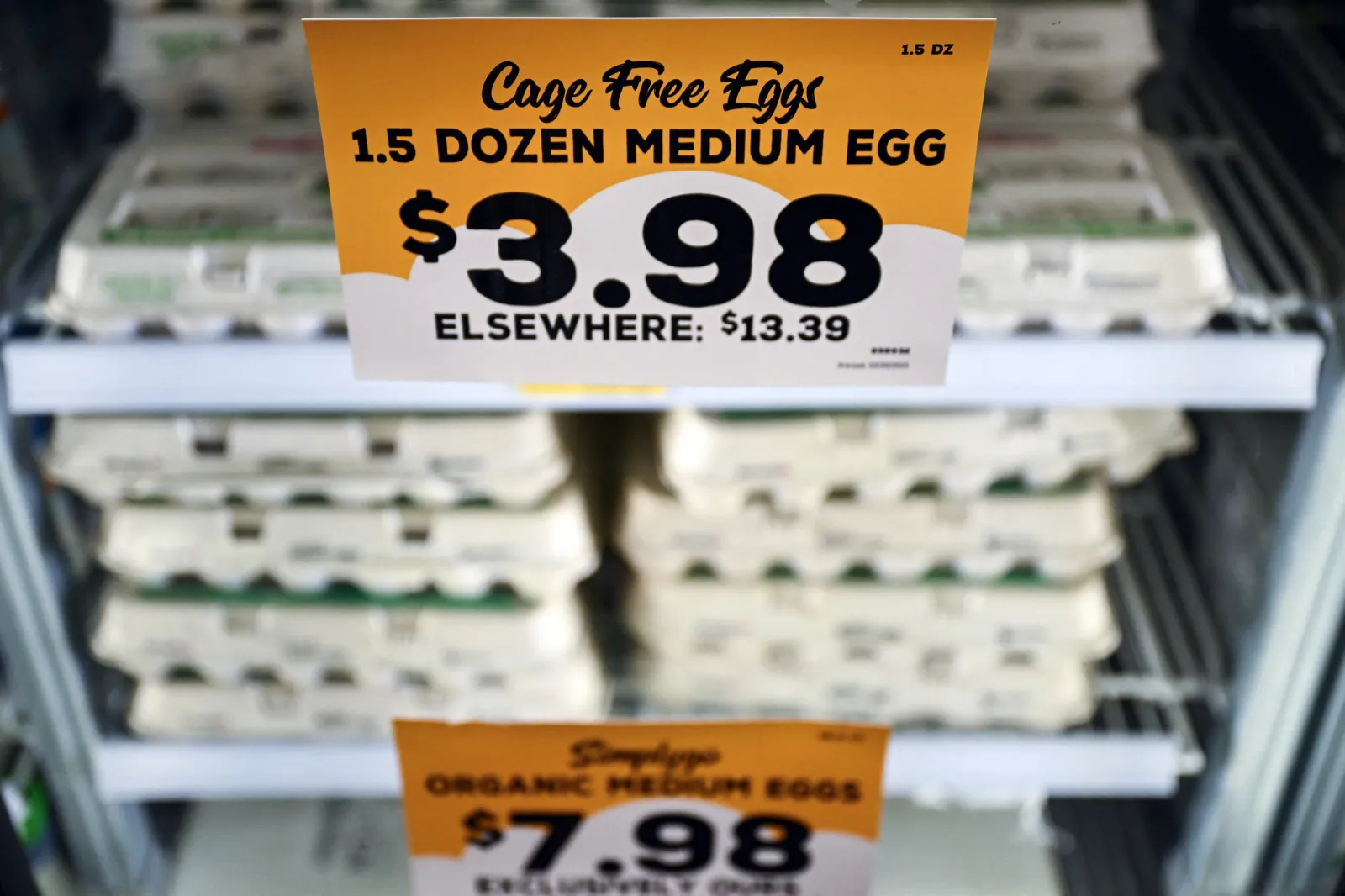
Egg prices increased to a record high in March, federal data shows. The Bureau for Labor Statistics (BLS) said the average cost of a dozen eggs hit $6.227 last month, a new high and up from $5.897 in February.
The supply of eggs has been hit hard by avian flu outbreaks, and the Trump Administration had warned that egg prices were likely to rise ahead of Easter. It has been trying to bring the price of eggs down by importing more from overseas.
Why it Matters
Eggs have been a totemic issue in politics, an everyday groce ry that symbolizes voters' struggles with high inflation.
Read More on News
President Donald Trump had promised to cut the price of eggs, citing the issue in his criticism of the Biden Administration, and hailed recent declines in wholesale prices. A spike in retail egg prices is an uncomfortable economic data point for Trump.
What to Know
The increase reported Thursday in the Consumer Price Index means consumers and businesses that rely on eggs should not anticipate immediate relief.
Demand for eggs is typically elevated until after Easter, which falls on April 20.
Industry experts were expecting the index to reflect a drop in retail egg prices because wholesale egg prices dropped significantly in March.
University of Arkansas agricultural economist Jada Thompson said the wholesale prices did not start dropping until mid-March, so there may not have been enough time for the average price for the month to decline.
...
And grocery stores may not have immediately passed on the lower prices.
While egg prices have risen higher, more broadly, inflation is cooling. Inflation declined in March as the cost of gas fell.
Consumer prices rose just 2.4 percent in March from a year earlier, the Labor Department said Thursday, down from 2.8 percent in February.
That is the lowest inflation figure since September. But Trump's recent tariffs threaten to push inflation higher if they filter through to prices.
Trump imposed a baseline 10 percent tariff on dozens of trading partners on April 2, though he has paused for 90 days an additional "reciprocal" rate on most to allow for negotiations.
China still faces a 125 percent tariff after Trump hiked the rate further. Beijing has imposed an 84 percent tariff on U.S. goods.
What People Are Saying
David Ortega, a food economist at Michigan State University, told The New York Times that wholesale egg price falls may soon filter down to consumers: "All indications are that there's some relief coming for consumers. Even then, there are a lot of other factors that determine the price of eggs."
White House press secretary Karoline Leavitt posted to X: "Inflation is down, jobs are up, and the Golden Age of America is underway. President Trump continues to undo the damage done by Joe Biden, and core inflation declined for the second month in row—great news for American families and businesses."
She added that Trump's "aggressive economic agenda is already dropping prices across the board, from prescription drugs to car insurance."
What's Next
Data over the coming weeks will show if the lower wholesale egg prices are finally filtering through to consumers, though Trump's tariffs may heat prices back up more broadly.
This article includes reporting by The Associated Press.
View 0 Comments
Submit Correction
View Editorial & AI Guidelines