10
Loading video...

By Hollie Silverman
News Editor
0
Share
Newsweek is a Trust Project member
See more of our trusted coverage when you search.Prefer Newsweek on Googleto see more of our trusted coverage when you search.
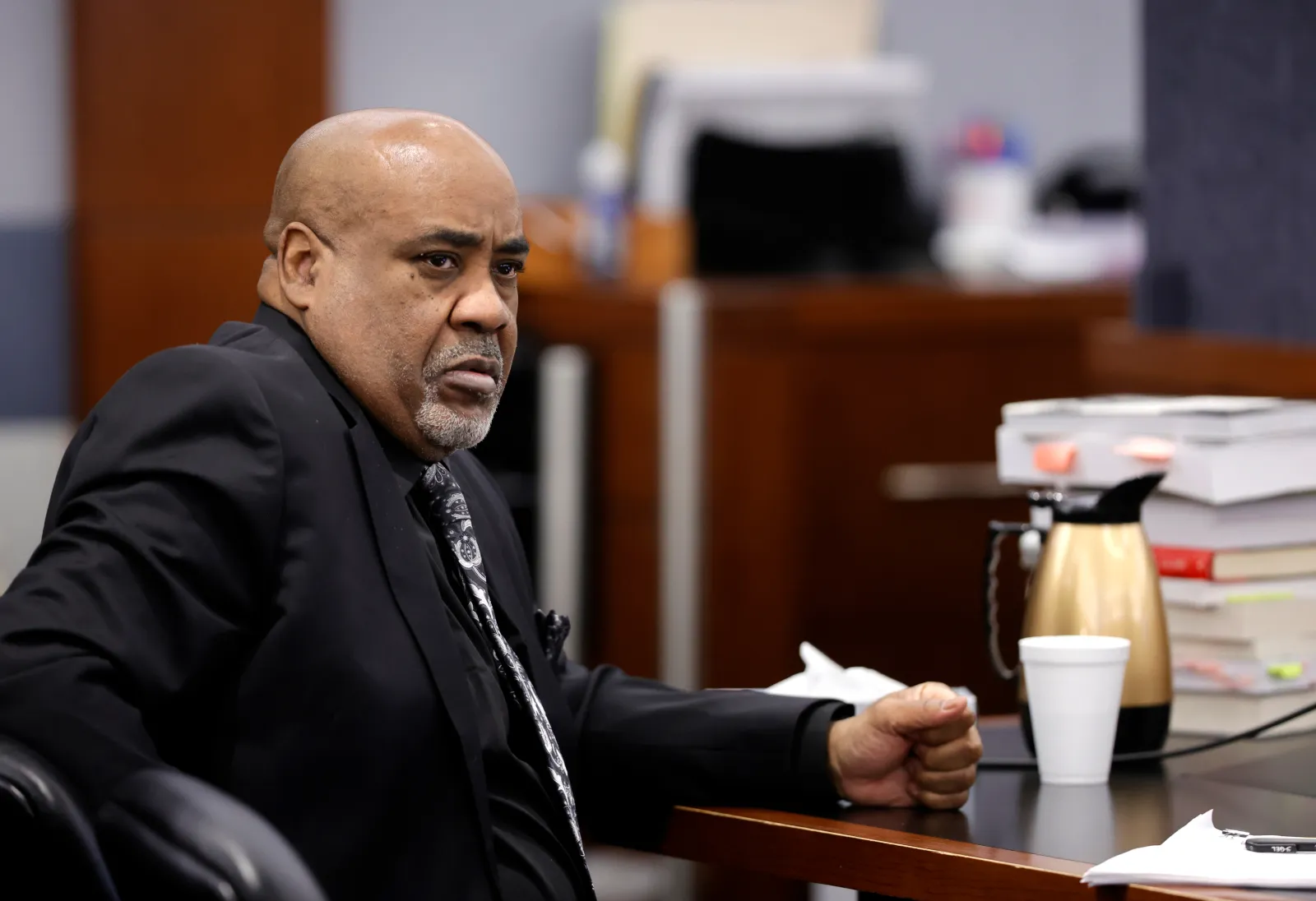
Thirty 30 years after Tupac Shakur was fatally shot in Las Vegas, Duane Davis has been sentenced to 40 years to life in prison after being convicted in connection with his killing in August.
Judge Carli Kierny said that Davis was sentenced to 20 years to life on the murder portion of the charge he was found guilty on and another mandatory consecutive 20 years to life on the deadly weapon enhancement charge, for an aggregate sentence total of 40 years to life in prison.
Kierny noted that she had heard Davis' stories about how he changed but that he needed to face justice.
Read More on News
"For three years, I've heard you say some variation of the same thing to law enforcement to beat in your book, and it's something like, yeah, I was involved in this, but I'm different. I've moved on. I got out of Compton. I'm a grandfather now. I'm here to tell you that's not how this works, okay?" the Judge said, adding, "You don't get to take a man from his family. You don't get to take his very life, his whole future from him and just walk away from it. Especially when that man is Tupac Shakur.
"The world never forgot about him in his death, and neither did Las Vegas. Took us 30 years. But at this time, you are going to face justice for what you did," Kierny added.
On August 31, a Nevada jury convicted Duane "Keffe D" Davis, 63, of first-degree murder with the use of a deadly weapon. Prosecutors argued that the former South Side Compton Crips leader orchestrated the September 1996 attack and supplied the gun, although they did not accuse him of firing the fatal shots.
“The loss of Tupac for a long time crippled my entire family emotionally and mentally,” Sekyiwa Shakur, Tupac’s sister, said during a victim impact statement ahead of sentencing Tuesday.
"I do believe when you take a life like that, you deserve every minute, every minute of the maximum amount of punishment, time to sit down and contemplate what you've done to this world, not just to me," she concluded.
Tupac's brother Maurice Shakur, following his sister's statement, said, "The impact from my brother's murder has been devastating. Heartbreaking and sad for me. My family and a nation of pop fans and loved ones. Pac didn't get a chance to have any kids. Didn't see his nieces and nephews grow up. And Pac didn't have a trial. All he got was a death sentence. So the longest possible."
The sentencing marked a major development in a case that had remained unresolved for decades and gripped hip-hop fans around the world.
Newsweek reached out to Davis’ attorney, Michael Sanft, by email both Monday and Tuesday for a statement.
Davis said after he was convicted in August that he plans to appeal, which Sanft repeated in court Tuesday.
...
Tupac's Family Speaks Out at Sentencing
Sekyiwa Shakur, Tupac’s sister described Tupac as the protector of her entire family from childhood until his death.
“He’s not only my brother…he is my father figure, he was the man in my home," she said, adding that he would walk her and the other younger siblings from home in Harlem to school in the Lower East Side, taking multiple trains with the kids.
She said that as he grew and became famous, Tupac continued to support everyone he could, “Everybody in our immediate family, our extended family, and as we got older our community as a whole.”
“He was paying all the bills, all the rent, all the food, clothes for at least 17 different families at the age of 25," she continued.
Sekyiwa Shakur said she and her children have suffered for decades as a result of losing her brother. “I’ve been hospitalized multiple times for depression, suicidal ideation, and trauma, PTSD,” she continued.
Davis' Attorney Challenges Prosecutor's Claims
Davis' attorney Michael Sanft brought up concerns about discrepancies in the prosecution's case ahead of the sentencing, including dates being mixed up for arrests and releases for a previous conviction, as well as different spellings of the alias "Keffe D" on Davis' jacket versus the book.
Judge Kierny told Sanft that while she agreed there were discrepancies, they were not enough to disrupt the proceedings, saying, "I don't find that those rise to the level of stop minor issues."
Davis also contested the amount of time he had served as it should apply to his sentencing, which Kierny addressed, saying that the time served would not apply to this case.
"I was here for this case. I was in jail for this case," Davis told the judge, adding, "They let that man out to attack me. That's wrong."
What Prosecution Said Prior to Sentencing
During the sentencing, the prosecutor said, "He doesn't deserve the minimum sentence," noting that Davis was the "head of a violent street gang in Compton," and a five-time convicted felon.
The jury deliberated for less than three hours following a trial in which 24 prosecution witnesses and three defense witnesses testified over nine days. Prosecutors decided not to pursue a gang enhancement, citing "witness logistics."
Prosecutors did not accuse Davis of firing the fatal shots. Instead, they argued that he orchestrated the retaliatory attack and supplied the gun after Shakur and others beat Davis' nephew, Orlando "Baby Lane" Anderson, at the MGM Grand Hotel & Casino in Las Vegas earlier that night.
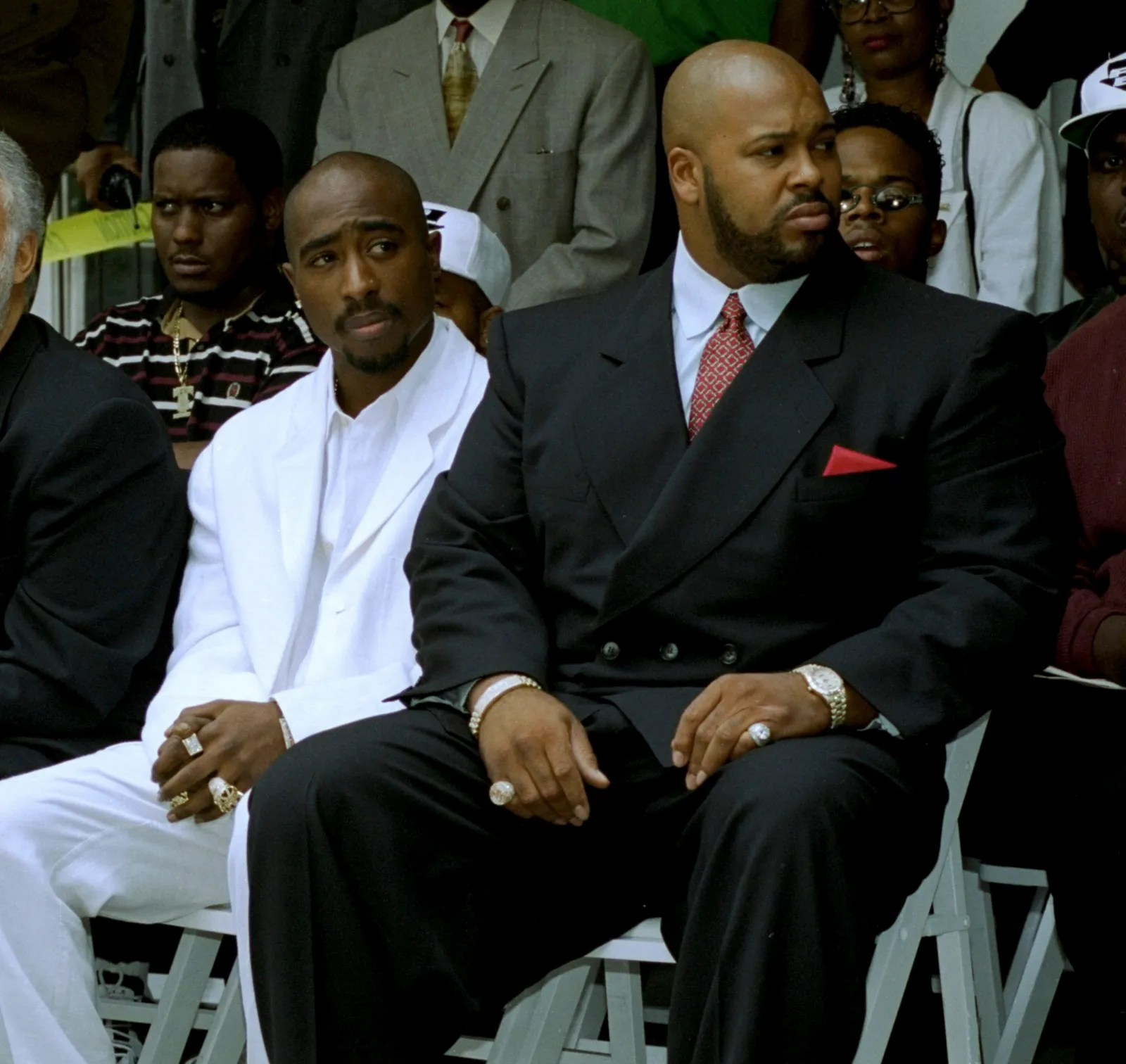
Chief Deputy District Attorney Binu Palal told jurors during closing arguments that Davis acquired a gun and "went hunting" for Shakur and Death Row Records co-founder Marion "Suge" Knight after the confrontation.
Related Story

Duane ‘Keffe D’ Davis Found Guilty in Tupac Shakur Murder Trial
Davis' accounts of the shooting became a central part of the prosecution's case. Prosecutors highlighted statements he made to police, documentary filmmakers and others, along with his 2019 memoir, Compton Street Legend.
Prosecutors said he repeatedly placed himself inside the white Cadillac from which the shots were fired and said in interviews that he handed the gun to people in the back seat.
Sanft argued that Davis' public accounts were unreliable and designed to make money while emphasizing the lack of physical evidence connecting his client to the shooting.
Davis has been held without bond following his conviction. After the verdict, he told the court that he wanted to appeal the verdict.
...
What to Remember About Keffe D's Trial
The trial focused heavily on Davis' own words and whether jurors should believe the accounts of the killing that he had given over the years.
Prosecutors said it was unlikely anyone would have been charged had Davis not written about the killing and discussed it in interviews. His 2019 memoir and previous police and media interviews became central evidence at trial.
Jurors heard clips from Davis' previous interviews and recorded jail calls. In one call after his 2023 arrest, Davis complained that authorities were trying to use his statements against him.
Jurors were also shown a YouTube clip in which he promoted his book as offering the "real truth."
Robert Ladd, a former Compton gang detective, testified that Davis was a high-ranking "shot caller" whose authority meant younger gang members would not have opened fire with him present unless he permitted it.
The defense, meanwhile, sought to undermine Davis' previous statements. Sanft argued that they were inconsistent and amounted to "fiction" while maintaining that prosecutors lacked physical evidence tying Davis to the crime scene.
Prosecutors also pointed to evidence beyond those statements.
During the trial, jurors heard testimony about the rivalry between the Crips and Mob Piru, while receipts placed Anderson and others in Las Vegas and surveillance footage showed the MGM Grand attack on Anderson.
Jurors ultimately found Davis guilty of first-degree murder with the use of a deadly weapon after deliberating for less than three hours.
...
What to Remember About Tupac Shakur's 1996 Murder
Shakur was 25 when he was shot in Las Vegas on September 7, 1996.
Earlier that night, Shakur and Knight had watched boxing champion Mike Tyson knock out Bruce Seldon. After the fight, Shakur and others were involved in the attack on Anderson.
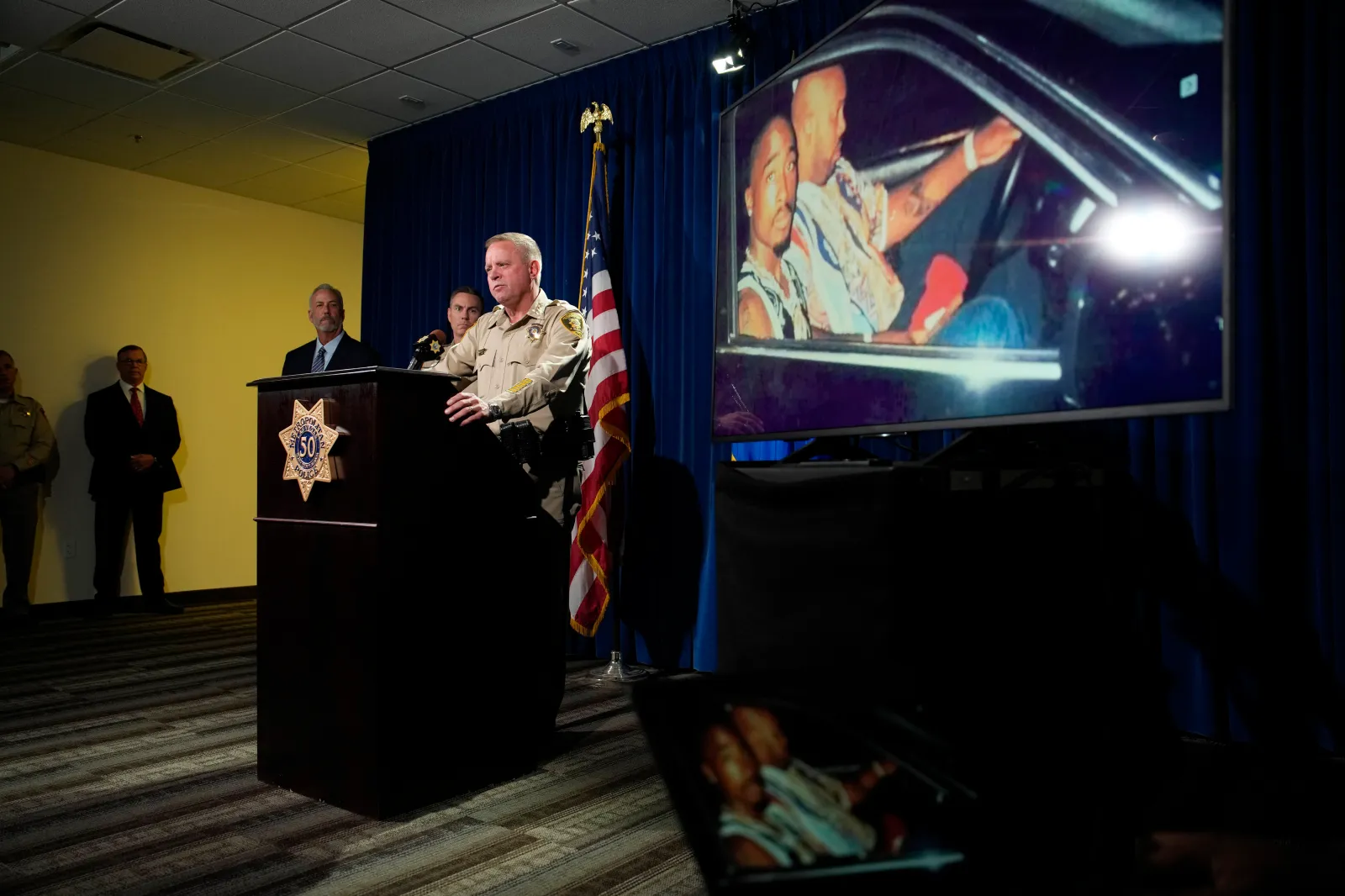
Shakur later left in a black BMW driven by Knight and was headed to a nightclub where he was scheduled to perform. When their vehicle stopped at a red light near the Las Vegas Strip, a white Cadillac pulled alongside and gunfire erupted.
Shakur was shot multiple times and died six days later. Knight was wounded but survived.
For years, nobody was charged in Shakur's death. The case drew renewed attention after Davis began speaking publicly about his involvement and published Compton Street Legend in 2019.
Davis was arrested in 2023 and became the first person charged and convicted in connection with Shakur's killing. Prosecutors did not accuse him of firing the fatal shots but argued that he orchestrated the attack and supplied the gun.
His October 13 sentencing came almost exactly three decades after Shakur's death.
Contact Newsweek editors on this story: Jenna deJong, Dave Siminoff, Gray R. Thomas
View 0 Comments
Submit Correction
View Editorial & AI Guidelines