- U.S.
- World
- Science
- Health
- Life
- Rankings
- Opinion
- Entertainment
- Fact Check
- My Turn
- Education
- EventsSportsPodcastsBetter PlanetBetter WorkplacesMightierAutosNewslettersUnconventionalVantageExpertsLeadershipDev Pragad
- Subscribe

- Login
×
Subscribe Login
- U.S.
- World
- Science
- Health
- Life
- Rankings
- Opinion
- Entertainment
- Fact Check
- My Turn
- Education
- Events
- Sports
- Podcasts
- Better Planet
- Better Workplaces
- Mightier
- Autos
- Newsletters
- Unconventional
- Vantage
- Experts
- Leadership
- Dev Pragad
Dr. Víctor Raúl Castillo Mantilla
Home > Rankings Portal
Share
Share on Facebook Share on Twitter Share on LinkedInShare on RedditShare on Flipboard Share via Email Comments
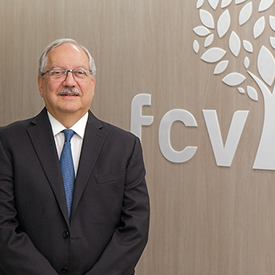
Dr. Víctor Raúl Castillo Mantilla
Hospital Internacional de Colombia (HIC)
CEO and President of the Hospital Internacional de Colombia - FCV

Company Info
Hospital Internacional de Colombia (HIC)
Kilómetro 7 Autopista
Bucaramanga - Piedecuesta
Valle de Mensulí Santander
681004 Colombia
About
Dr. Víctor Castillo holds a medical degree from the Juan N. Corpas School of Medicine, with specializations in General Surgery from Universidad del Valle and Cardiovascular Surgery from Universidad Pontificia Bolivariana. Since 1991, he has been the President and CEO of the Fundación Cardiovascular de Colombia (FCV), which established the first hospital in northeastern Colombia dedicated to adult and pediatric cardiac surgery. This achievement led to the creation of the Hospital Internacional de Colombia (HIC), a multidisciplinary center that, under Dr. Castillo's direction, has grown into a prominent healthcare institution in Latin America for medical services, research, and education. Dr. Castillo has conducted groundbreaking studies in pediatric and adult surgery and served on the council of Colciencias' National Science, Technology, and Innovation Program in Health. He was also a founding member of the World Society for Pediatric and Congenital Heart Surgeons.
Education
- Cardiovascular Surgeon
Pontificia Universidad Javeriana
Medellín, 1990 - General Surgeon
Universidad del Valle, 1985 - Medical Degree
Fundación Universitaria
Juan N. Corpas, 1985
Awards & Certifications
- Five Stars Global Hospital Rating, 2024
Statista and Newsweek - Value Based Health Care (VBHC)
Cost Effectiveness Award for Acute Myocardial Infarction, 2023
Value-Based Health Care (VBHC) Center Europe - Colombian national accreditation in health
2005, 2008, 2012, 2016, 2020, 2021 (HIC), 2022
ICONTEC and the Colombian Ministry of Health - Gold Seal of Approval
2009, 2013, 2016, 2019, 2022
Joint Commission International (JCI)
- Inclusive Business Leader Award, 2013
International Finance Corporation - Accreditation as an Academic Medical Center, 2014, 2024 (HIC)
The Ministry of Health and Social Protection and the Ministry of Education, through the Intersectoral Commission for Human Talent in Health - Center of Excellence in Extracorporeal Life Support, 2018, 2021
Extracorporeal Life Support Organization (ELSO) - JCI Certification: Center of Excellence in Heart Failure, Ventricular Assist Devices, and Heart Transplantation, 2019
Joint Commission International (JCI)
- WSO Angel Awards
Gold Status Award, 2020
World Stroke Organization (WSO) - ISQua Accreditation, 2021
ISQua - The International Society for Quality in Health Care - JCI Certification: Center of Excellence in Myocardial Infarction and Cerebrovascular Accident CVA, 2021
Joint Commission International (JCI) - Best Colombian Hospital in Cardiology Latin America Hospital and Clinic Ranking, 2021
Revista America Economía
- Exemplary Colombian Award in the Health Institution Category, 2021
Diario El Colombiano - HIMSS EMRAM Stage 7 Certification, 2022
Healthcare Information and Management Systems Society (HIMSS) - Stroke Center Quality Approval, 2022
World Stroke Organization (WSO) - JCI Certification: Center of Excellence in Kidney Transplant, Liver Transplant, and Myocardial Revascularization, 2023
Joint Commission International (JCI)
- Five Stars Global Hospital Rating, 2024
Statista and Newsweek - Top 10 Best Hospitals in Latin America
Consistently ranked in the Top 10 since 2012
Revista América Economía
Philanthropic Endeavors
- Fundación Montañas Azules: Fundación Montañas Azules is the social program of the FCV that provides support to individuals in need, often from remote regions of the country, during medical treatment at the Hospital Internacional de Colombia. It offers assistance not covered by the health system, such as accommodation, food, transportation, diagnostic tests, clothing, among others. The program aims to improve the quality of life of patients and their families through effective resource management and partnerships with public and private institutions.
- Social Medicine: Social Medicine focuses on bringing essential medical services to vulnerable communities, promoting early disease detection, and improving quality of life. Through free health campaigns, the organization aims to identify cardiac problems in children and adults, providing diagnostic services. Additionally, the Hospital Internacional de Colombia promotes training in Cardiopulmonary Resuscitation (CPR), a vital skill that can save lives by providing immediate response in emergencies, having already instructed numerous individuals. The program also includes education on cardiovascular risk factors and healthy lifestyle habits, emphasizing comprehensive health promotion in schools and local institutions.
- Corporate volunteering program: The corporate volunteering program of the FCV involves employees in activities that benefit the community, focusing on improving health and quality of life for vulnerable populations. Through partnerships and initiatives, volunteers participate in campaigns, educational workshops, and events that promote wellness and social responsibility. The program encourages employees to contribute their time and skills, fostering a culture of service and support within the organization, and making a positive impact on the communities served by the FCV.
- Training for the care of life: This project aims to equip high school students from low-income backgrounds with technical and vocational skills to prepare them for careers in healthcare. Implemented as a pilot program, it provides training in areas such as nursing assistance and healthcare administration, focusing on developing specific competencies needed for the healthcare sector. This initiative is part of FCV's broader commitment to education, skill development, and fostering opportunities for local youth to gain practical experience and contribute positively to their communities.
Links to Rankings during tenure
Past Rankings Appearances
CLOSE X
Víctor Castillo is the president and CEO of the Hospital Internacional de Colombia (HIC), located in the country's Santander department in the city of Bucaramanga. He helped found the hospital, which was initially focused on cardiovascular surgery and has since grown into a world-renowned medical center with multiple specialties.
As a young child, what were some of the experiences that shaped your desire to pursue a career in medicine?
I had two wonderful parents. My mother had nine children, and I'm the third of the nine. When I was a child, I never imagined studying medicine. But that changed when I went to the U.S. for a six-month student exchange program.
I stayed with a family where the father was a hematologist, and the mother was a nurse. Every Monday, I would go with them to the hospital and observe everything. When I returned to Colombia, I told my parents I wanted to become a doctor.
When did you first start with FCV [Fundación Cardiovascular de Colombia] and how did it lead to your current role as the CEO of HIC?
After finishing medical school in the 1980s, at the age of 24, we were required to complete one year of social service. I was sent to a very small town with 19 outdated health centers that had no technical support, just stethoscopes and basic medications.
When I returned to the city, I joined a group of 10 cardiologists and physicians passionate about cardiovascular conditions. But people said there weren't enough cardiac patients to justify a dedicated hospital. We obtained the legal registration in 1986, and I then went on to study cardiovascular surgery for three more years. In the 1990s, we began working in Bucaramanga. We had no money and very few resources. What we did have was a lot of energy and commitment to founding the Fundación Cardiovascular.
We started with equipment donated by Hershey Medical Center, a major hospital in Pennsylvania. We brought that equipment to Colombia, and for us, it was like gold. We couldn't charge for services because our first patients didn't have any money. But we still needed to pay for their treatments, the hospital, and everything else. We didn't receive a single payment for the first 150 surgeries.
What's most meaningful to me is how far we've come—from practicing outdated medicine with no cardiovascular services, no high-tech tools—nothing. Today, more than three decades later, we are not only one of the best hospitals in Colombia but one of the top hospitals in Latin America. We started with very little, and now we have a world-class facility here in Bucaramanga, Santander.
What motivated your shift from being a practicing surgeon to CEO?
We needed to develop the Fundación Cardiovascular, and I was the one who decided to move forward with building a cardiovascular hospital. I invited young general surgeons, 28 and 29 years old, as well as the most experienced cardiologists in the city—people in their 50s. When we started the surgeries and launched the FCV, no one wanted to take on the role of CEO because they didn't believe in its future. So I became both CEO and director because I knew we needed to build a place where patients could truly receive the care they deserved.
How do you define success as CEO?
We have more than 5,000 people working at our institution. Cardiovascular care remains our main focus. I want real solutions for patients. I want to transform medicine in the region. I want to do what's best for the people—and what's best for us. Since making that decision, we've built a hospital with 800 beds and more than 60 specialties, all serving a full patient load.
We have never received monetary donations from anyone. We work very hard and manage our resources carefully, because funding medical services is incredibly challenging. Everything we've built over the course of our history has been made possible through our own efforts and reinvested earnings.
What is one leadership lesson you've learned about navigating that public-private partnership to help expand health care access?
We've always maintained a good relationship with the government, as we need their approval for certain agreements. However, we've never depended on them—we're an independent institution. We built everything on our own. For example, the public hospital in the city received government funding for equipment when it started, around the same time we did. Now, 35 years later, we've grown into a large hospital with extensive services and recognition throughout Latin America, while the public hospital remains almost the same as it was three decades ago.
HIC emphasizes the humanization of health care. How do you define humanization? And how has this approach impacted your staff, your patient care and the overall organization?
We were created to serve people, especially those in vulnerable situations. That philosophy guided us for many years. Over time, we realized it wasn't just about providing medical care, but about delivering that care with the highest standards of quality and humanity.
That's why, years ago, I decided to place my personal phone number on the door of every patient room, along with a note that says: "If you have any issues with your care, please call Dr. Castillo, President of the Fundación Cardiovascular—he will help you." For me, it's essential to ensure that every patient receives not just good service, but the best possible care. That's part of our mission, our vision and our commitment to always doing what's best for the patient.
Did anybody call you when you added your number?
Of course. I used to receive maybe 200 calls a day. Now, I don't get any calls, and the sticker is still in the same place.
Everyone in our ward—nurses, doctors and others—knows that any patient can call me. That's very important, because the staff feel they must do their best, knowing that anyone can reach me directly.
Do you have a story where someone called you and it had a ripple effect on the organization and changes were made due to you receiving a phone call?
Approximately 20 years ago, we had an accreditation visit from the Colombian government. The head of the accreditation team called me at 4 o'clock in the morning. I answered, "Hello, what do you need?" And he said, "Nothing—I just wanted to know if you would actually answer the phone." I said, "Of course. That's why I put my phone number everywhere." He hung up, and the next day at the meeting, he shared the story with everyone.
My wife always asks why I answer every call. About two months ago, we received recognition from the local government. The leader had an emergency with her father. I told her, "If you have any difficulties, call me and I will answer." Later, she said she would always be grateful to Dr. Castillo because I helped her in that moment. That's when my wife said, "Now I understand why you do what you do."
Can you recall a patient who called, and what happened when they called?
As in most countries, we have private insurance companies that receive funding from the national government, but not all of them have agreements with us. Sometimes, patients call me directly from the emergency room asking for care because their insurance provider doesn't have a contract with our hospital.
When that happens, I call the company and explain, "We have a patient from your plan, but we don't have a service agreement with you." Most of the time, I can get authorization. These patients want to be treated here, and in many cases, they're so ill that transferring them to another hospital is not a viable option. I always try to do my best to help people.
What has been the greatest challenge in leading HIC and how did you overcome it?
The biggest challenge in Colombia is the financial aspect. The government pays the insurance companies every month, but the insurance companies don't pay the hospitals on time. The main struggle is maintaining cash flow month after month. We're capable of doing even more than we currently do, but this has been the reality we've faced for the past 30 years.
HIC has become a leader in medical tourism and education in Latin America. Can you share a success story that highlights the hospital's role in positioning Colombia as a global health care destination?
Twelve or 15 years ago, I traveled to Aruba to speak with the head of insurance at Aruba Insurance Company. I asked him, "If we manage to get a plane to fly patients from Aruba to Bucaramanga, would you give us an agreement?" He said yes, but I don't think he believed we would actually get the plane.
When I returned to Colombia, I started looking for an aircraft. It took two years, because in Colombia, obtaining a license for a private ambulance plane is very difficult. After those two years, I returned—with two planes—waiting at the airport in Aruba. I said, "Do you remember me? I now have the two planes—and the agreement."
That moment marked the beginning of a new chapter. We started receiving patients not only from Aruba, but also from Suriname, Trinidad, Guadeloupe and other Caribbean islands. It was the start of our international program, which has since expanded to include patients from Ecuador and Panama as well.
How does HIC foster trust with patients, especially when introducing advanced technologies like AI and robotics?
In the beginning, we believed the best way to build credibility and trust was by obtaining both international and national accreditations. People gain confidence in your work when an independent organization evaluates it and grants official recognition.
We were the first hospital in Latin America to receive ISO 9000 certification from Bureau Veritas in 2000. In 2005, we became the first institution in Colombia to earn Accreditation 001 from ICONTEC, the country's official standards organization. In 2009, we were also the first in Colombia to be accredited by Joint Commission International (JCI). And in 2022, we became the first hospital in the country to achieve HIMSS Level 7, a distinction that recognizes excellence in digital health transformation.
Do you find patients distrustful or resistant to new technology?
People believe in us. For example, when we acquired a Mako robotic arm for orthopedic procedures, patients specifically requested to be treated using that technology. We perform transplants of the heart, lungs, liver, kidneys, pancreas and bone marrow—and patients place their full trust in the FCV.
How is AI transforming the patient experience and improving clinical outcomes at the hospital?
Three years ago, we established offices at the HIC, and we are currently advancing 16 major AI projects across all areas of the Fundación Cardiovascular. With 12 of them nearing completion, we are on the verge of a significant transformation at the HIC.
In your opinion, what is the biggest opportunity for health care in Latin America? And how is HIC positioned to lead?
I believe that in the future, there will be two types of hospitals: those that develop artificial intelligence and robotics, and those that don't. Hospitals that integrate these technologies into their services will advance rapidly. It's essential for hospital leaders in Latin America to understand this and to work diligently to incorporate AI, robotics and other emerging technologies into their care models.
What current initiatives at HIC are you most excited about, and how do they align with your vision of HIC as a global leader in health care innovation and value-based care?
The challenge is that technology increases the cost of healthcare every year. That's why value-based medicine is essential—to help us determine not just the best technology, but also the most cost-effective option for each individual case.
Currently, around 30 percent of all services provided in hospitals do not add real value to the patient. This represents a significant financial burden. But if hospitals and health systems can identify and eliminate services that don't contribute to patient outcomes, we'll be able to offer better care. That's the future—improving the quality of care by focusing on what truly matters. And with the support of artificial intelligence, that future is within reach.
Víctor Castillo is a member of the Newsweek CEO Circle, an invite-only executive community of subscribers.
 Visit our rankings portal
Back To Top


U.S.WorldScienceHealthRankingsOpinionEntertainmentFact CheckMy TurnEducationEventsSportsPodcastsBetter PlanetBetter WorkplacesMightierAutosNewslettersUnconventionalVantageExpertsLeadershipDev Pragad
Trending
Israel at War Vladimir Putin Russia-Ukraine War Donald Trump
Subscriptions
Membership Monthly $4.99 Membership Yearly $49.00 Membership+Print Monthly $9.99 Membership+Print Yearly $99
Newsletters in your inbox See all
The Bulletin (Daily)See Sample
The Gist of It (Daily)
Geoscape (Twice a Week)
The 1600 (Daily)
Inside Trump Policy (Weekly)
Newsweek AI (Weekly)
Sports Daily (Daily)
The Josh Hammer Report (Weekly)See Sample
For The Culture (Three Times a Week)See Sample
Discoveries (3 Times a Week)
Like & Subscribe (Daily)
Breaking News (As it Breaks)
The Debate (Twice a Week)
Pawsitively (Daily)
Better Planet (Weekly)
The Good Life (Weekly)
Newsweek Pulse (2x3 Times a Month)
Sign up now
You can unsubscribe at any time. By signing up you are agreeing to our Terms of Service and Privacy Policy
In The Magazine  September 19
2025 Issue
Company
About UsMastheadDiversityAnnouncementsArchivePolicies and StandardsMission StatementLeadershipNewslettersPress Center
Editions:
Contact
AdvertiseCareersContact UsCorrections
Terms of Use
Cookie PolicyCopyrightPrivacy PolicyTerms & ConditionsTerms of Sale Privacy Settings
© 2026 NEWSWEEK DIGITAL LLC