...

By Hollie Silverman
News Editor
0
Share
Newsweek is a Trust Project member
See more of our trusted coverage when you search.Prefer Newsweek on Googleto see more of our trusted coverage when you search.
Iran has closed the Strait of Hormuz, one of the world’s most critical energy chokepoints, in direct retaliation for ongoing Israeli attacks on Lebanon, the Associated Press reported Wednesday, citing Iranian state media.
The move comes just hours after a fragile U.S.-Iran ceasefire took effect and threatens to upend global oil markets and regional diplomacy.
Why It Matters
The Strait of Hormuz handles roughly one‑fifth of global oil shipments, making any disruption immediately consequential for energy markets and global supply chains.
Read More on World
The closure signals a rapid deterioration of the U.S.-Iran ceasefire, reached only a day earlier, and underscores how Israeli military actions in Lebanon are reshaping the conflict’s boundaries.
...
What to Know
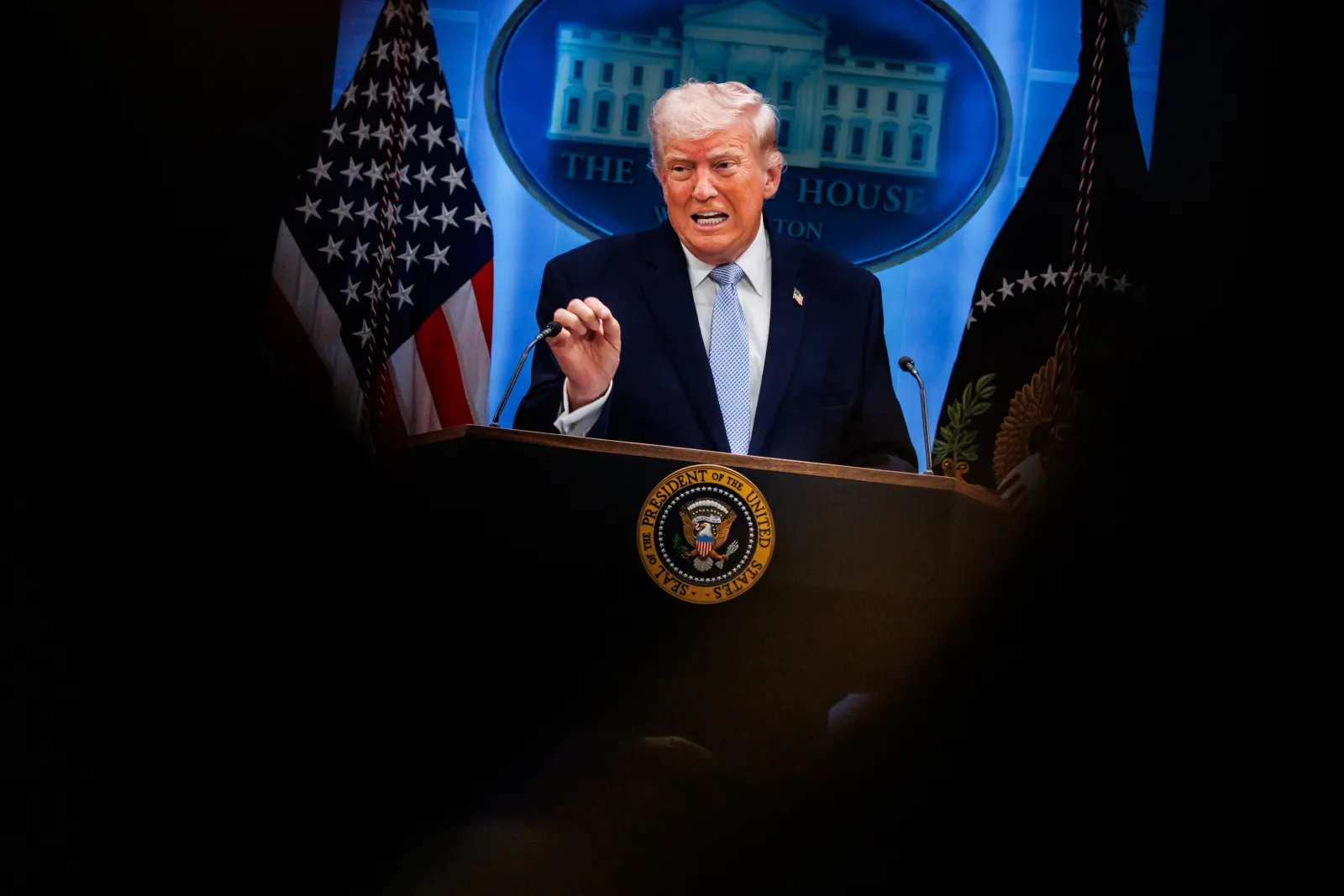
President Donald Trump announced the ceasefire on Tuesday night on Truth Social, less than two hours before the deadline he had given to expand attacks in Iran. The agreement hinged on Iran agreeing to a two‑week ceasefire and reopening the Strait of Hormuz.
Iran accepted the ceasefire within a half hour of the announcement, according to a report from The New York Times citing three Iranian officials who said the new supreme leader, Mojtaba Khamenei, approved the deal.
Iran’s state media (FARS) reported that tanker traffic through the Strait of Hormuz has come to a “complete stop” after Israel continued bombing Lebanon despite the ceasefire. Two tankers were allowed through earlier Wednesday, but Iran reversed course as Israeli strikes intensified.
Iran accused Israel of violating the ceasefire, which Tehran says included expectations of de‑escalation across the region. Israel, however, insists Lebanon is not covered by the agreement.
Markets reacted sharply. Oil prices, which had fallen after the ceasefire announcement, remain elevated. U.S. and global stock markets initially surged but now face renewed uncertainty.
What People Are Saying
White House press secretary Karoline Leavitt said at a press briefing on Wednesday: "With respect to the first reporting out of Iranian state media, the president was made aware of those reports before I came to the podium. That is completely unacceptable. And again, this is a case of what they're saying publicly is different. Privately, we have seen an uptick of traffic in the Strait today. And I will reiterate the president's expectation and demand that the Strait of Hormuz is reopened, immediately, quickly and safely. That is his expectation. And it has been relayed to him privately that that is what's taking place in these reports, publicly, are false."
President Donald Trump said in a post on Truth Social on Wednesday: "The United States will work closely with Iran, which we have determined has gone through what will be a very productive Regime Change! There will be no enrichment of Uranium, and the United States will, working with Iran, dig up and remove all of the deeply buried (B-2 Bombers) Nuclear “Dust.” It is now, and has been, under very exacting Satellite Surveillance (Space Force!). Nothing has been touched from the date of attack. We are, and will be, talking Tariff and Sanctions relief with Iran. Many of the 15 points have already been been agreed to. Thank you for your attention to this matter. President DONALD J. TRUMP"
Shehbaz Sharif, Prime Minister of Pakistan, said in a post on X on Wednesday: "Violations of ceasefire have been reported at few places across the conflict zone which undermine the spirit of peace process. I earnestly and sincerely urge all parties to exercise restraint and respect the ceasefire for two weeks, as agreed upon, so that diplomacy can take a lead role towards peaceful settlement of the conflict."
What Happens Next
Diplomatic fallout is expected, with U.S.-Iran talks hosted by Pakistan and scheduled for later this week, possibly in jeopardy. The U.S. has not yet formally responded to the closure, but officials have previously signaled frustration with Iran’s control over the strait.
Israel shows no sign of halting its Lebanon campaign, raising the likelihood of further Iranian retaliation and a potential collapse of the ceasefire.
Update 4/8/26, 1:41 p.m. ET: This article was updated with additional information.
View 0 Comments
Submit Correction
View Editorial & AI Guidelines