...

By Dan Cody
Digital Media Reporter
0
Share
Newsweek is a Trust Project member
See more of our trusted coverage when you search.Prefer Newsweek on Googleto see more of our trusted coverage when you search.
The Trump administration has implemented a 10 percent tariff on Chinese imports, affecting a broad range of consumer and industrial products.
President Donald Trump agreed to temporarily pause tariffs on Canada and Mexico, after last-minute agreements with the leaders of the two countries.
However, China has not received such an exemption, and retaliatory tariffs have already been announced by Beijing.
Read More on News
Trump's 10 percent duty on Chinese goods imported into the U.S. came into effect on Tuesday at 00:01 EST.
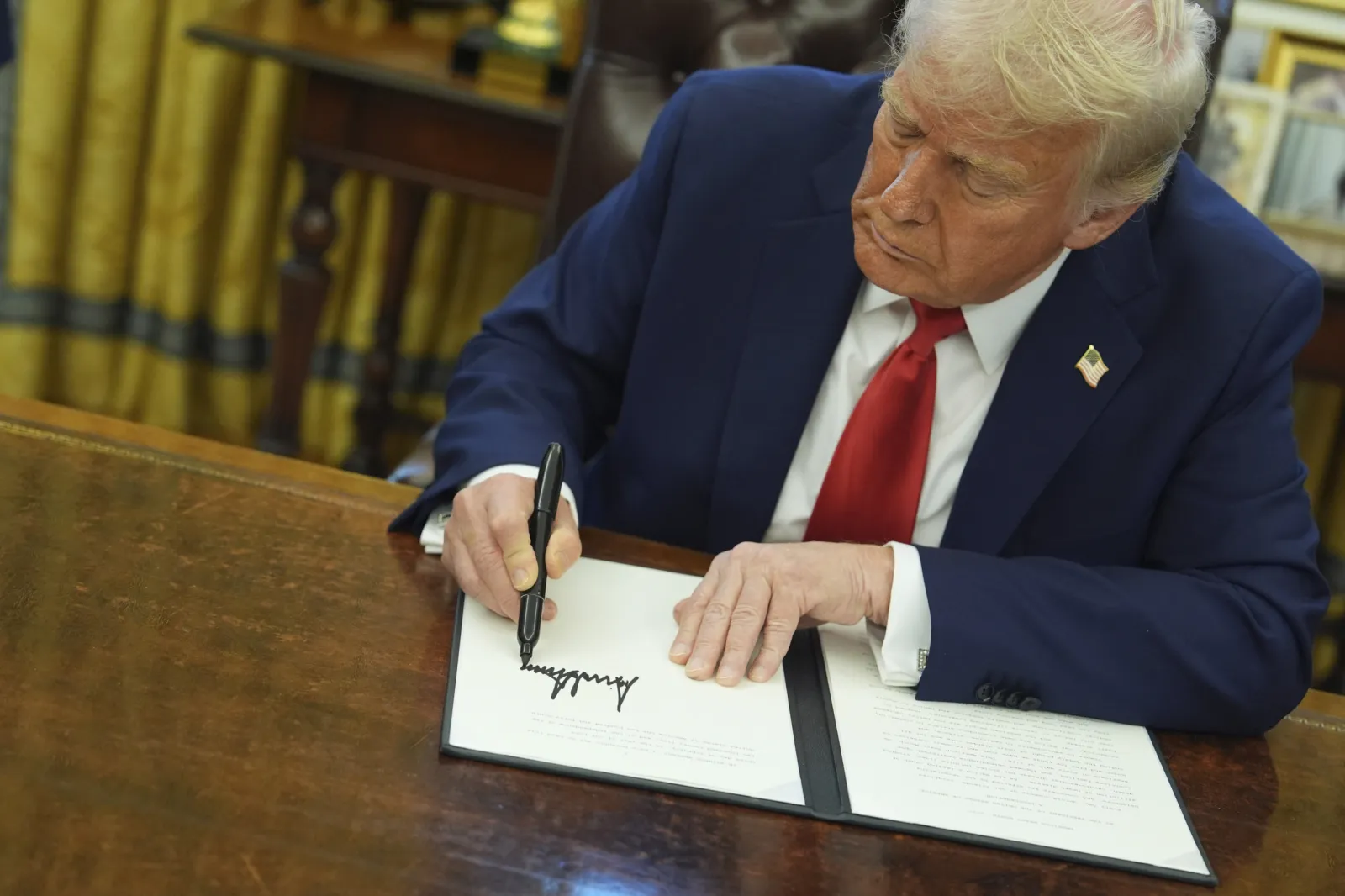
Speaking to reporters in the Oval Office on Monday, the president said the 10 percent tariffs were just the "opening salvo," adding that they could become "very, very substantial" if no deal is agreed between the U.S. and China.
These new trade restrictions are expected to drive up prices for electronics, automobiles, machinery, clothing, household goods, and medical supplies as manufacturers and retailers pass higher costs onto American consumers.
Electronics and Semiconductors
China is one of the largest suppliers of consumer electronics to the U.S., accounting for a significant share of the country's imports of smartphones, laptops, televisions, and gaming consoles. According to Reuters, consumer electronics imports from China surged ahead of the tariff deadline, with U.S. seaports handling a 14.5 percent increase in shipments in December 2024 as importers rushed to stock up before costs rose.
...
Companies like Apple, Dell, and HP are expected to feel the impact, as many of their devices rely on Chinese supply chains. The tariffs will also affect electric vehicle (EV) batteries, charging components, and power banks, which China dominates in global exports. This could mean higher prices for EVs and consumer electronics in the coming months.
Automotive Parts and Vehicles
China supplies a significant share of U.S. imports of transportation equipment, including brake systems, transmissions, and electronic sensors used in American-made vehicles.
Major automakers such as Ford and General Motors depend on Chinese suppliers to keep production costs low. As tariffs take effect, new vehicle prices and auto repair costs could rise, with higher expenses on replacement parts like tires, headlights, and engine components. Analysts suggest the added costs could increase the price of some vehicles by hundreds of dollars if manufacturers pass costs onto consumers.
Industrial Machinery and Construction Equipment
The U.S. imports a large share of its industrial machinery from China, including cranes, bulldozers, forklifts, and conveyor belts, which are critical to construction, agriculture, and manufacturing.
The new tariffs could result in higher prices for infrastructure projects, home construction, and factory upgrades, affecting industries that depend on affordable imported machinery. Farmers may also see rising costs for tractors, irrigation equipment, and grain processing machinery, potentially impacting food production and supply chains.
Clothing and Footwear
China remains one of the largest sources of textiles and apparel for the U.S., with textiles and clothing imports jumping 20.7 percent in late 2024 as retailers stocked up before tariffs took effect.
Brands like Nike, Adidas, and Gap rely heavily on Chinese manufacturing for items such as cotton T-shirts, athletic shoes, and denim jeans. Consumers can expect higher clothing prices, particularly in the fast fashion and budget retail sectors. Even premium brands that manufacture in China may see cost increases.
Household Goods and Appliances
Many home appliances, furniture, and lighting fixtures imported from China will be subject to the 10 percent tariff. In December 2024, U.S. imports of household appliances from China rose by 9.6 percent, as companies rushed to bring in inventory ahead of the tariff deadline.
Washing machines, refrigerators, vacuum cleaners, and microwaves will see higher retail prices as tariffs make imports more expensive. Similarly, furniture, mattresses, and home improvement goods could also be affected, making home renovations and remodeling more costly.
Medical Supplies and Pharmaceuticals
China is a key exporter of pharmaceutical ingredients, medical devices, and protective equipment. U.S. hospitals and pharmacies depend on China for prescription drugs, surgical masks, medical gloves, and diagnostic equipment.
The tariffs could disrupt the supply of low-cost medications and essential hospital supplies, potentially leading to higher prices for patients and healthcare providers.
Food and Agricultural Products
Although most U.S. food imports come from North and South America, China supplies processed seafood, canned fruits, and specialty ingredients such as soy sauce, spices, and tea. The tariffs could drive up restaurant and grocery store prices for these goods.
Meanwhile, China has announced retaliatory tariffs on U.S. exports, including soybeans, pork, and dairy, which could harm American farmers. A reduction in Chinese imports of U.S. agricultural goods could lead to falling revenues for farmers, affecting the broader agricultural economy.
What Happens Next
With the 10 percent tariff on Chinese imports now in place, businesses and consumers will begin to feel the effects in the coming months. While tariffs on Canada and Mexico have been paused, the White House has warned that they could still be enacted if border security agreements do not progress.
If no trade deal is reached with China, tariffs could increase further, leading to even steeper price hikes across a wide range of consumer and industrial products. Experts warn that such measures could slow economic growth and create long-term disruptions in supply chains.
View 0 Comments
Submit Correction
View Editorial & AI Guidelines