
10
Loading video...

By Hannah Parry
Associate News Editor
0
Share
Newsweek is a Trust Project member
See more of our trusted coverage when you search.Prefer Newsweek on Googleto see more of our trusted coverage when you search.
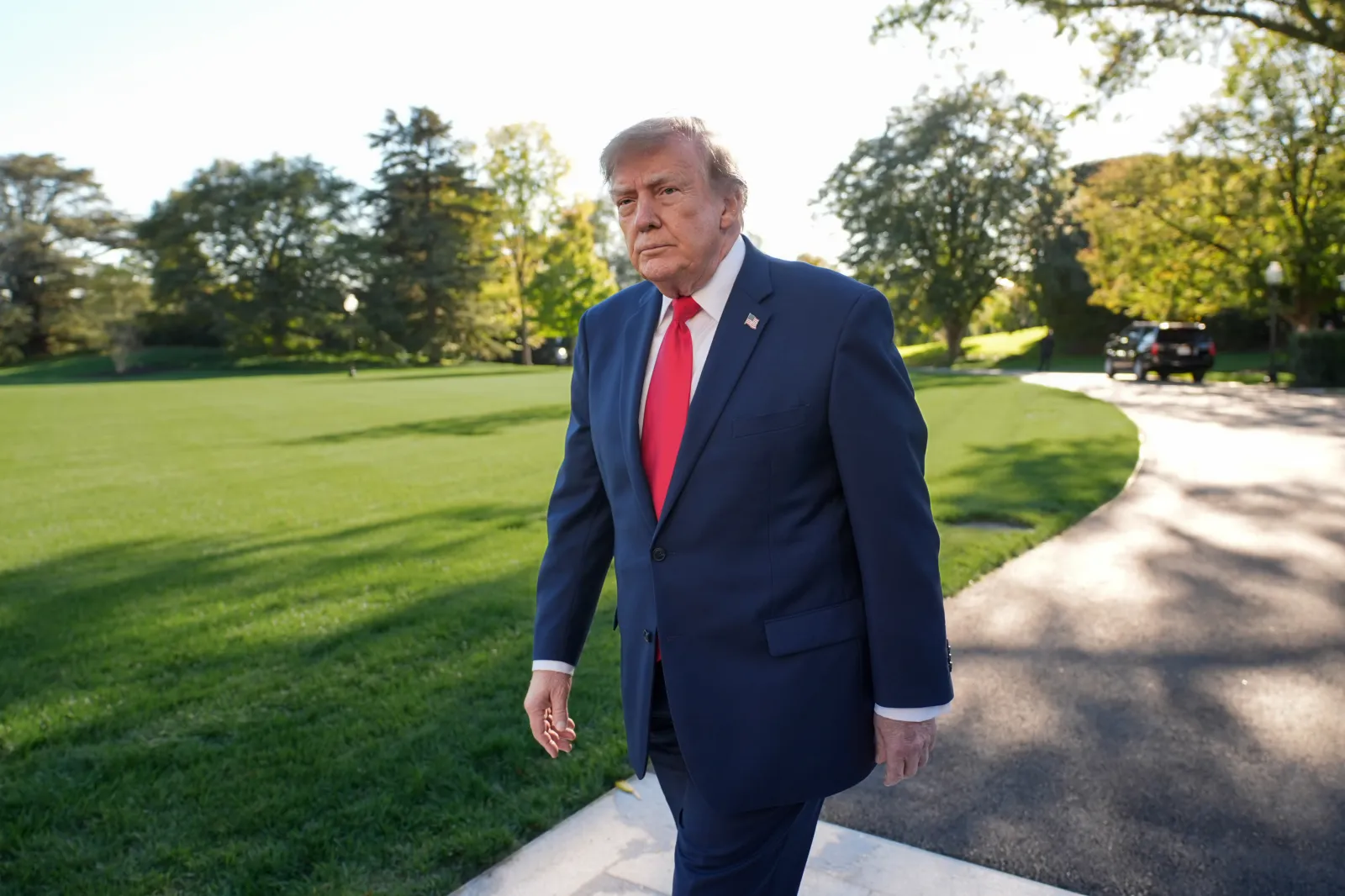
A federal judge has ordered President Donald Trump to sit for a deposition by December 11 in his $10 billion defamation lawsuit against the BBC, rejecting his legal team’s efforts to postpone questioning until early next year.
U.S. Magistrate Judge Enjoliqué A. Lett issued the order after the BBC accused Trump of delaying his testimony. The broadcaster sought court intervention after Trump failed to appear for a deposition scheduled for October 16, with his lawyers citing “matters of national importance.”
“Two months remain in the discovery period, and we still haven’t been able to depose the plaintiff,” BBC attorney Charles Tobin told the court. The BBC also noted in its legal filings that on the day of Trump's initial deposition, October 16, he had attended a political rally.
Read More
Trump and Natalie Harp Hit With Lawsuit Over Truth Social Changes4 min read

BBC Wants Jack Smith to Testify About Jan. 6 in Trump Lawsuit6 min read

Judge Warns Trump of Sanctions Over Conduct in BBC Lawsuit6 min read

"President Trump is not avoiding his deposition in this action," Trump's legal team argued in a filing this week, obtained by Newsweek. They argue that the BBC sought court intervention prematurely while the parties were still negotiating a new dates. In this week's legal filing, Trump's lawyers proposed dates in January 2027 and asked the court to prohibit video recording of Trump’s deposition.
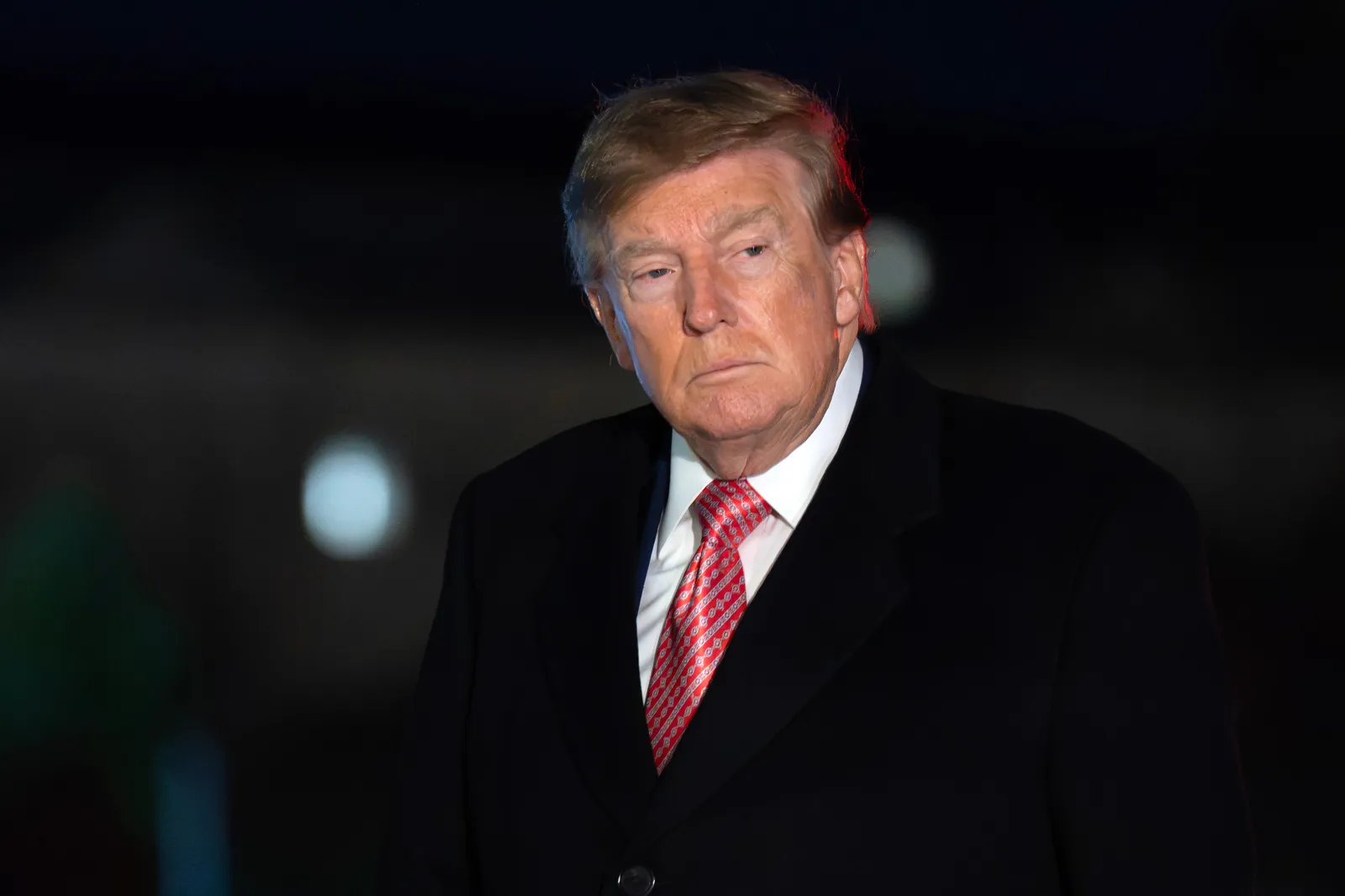
Lett had previously warned that failure to comply with the court's discovery procedures going forward could lead to sanctions. She said she had previously admonished Trump over his lack of participation in the discovery process, but that her warnings had been "to no avail."
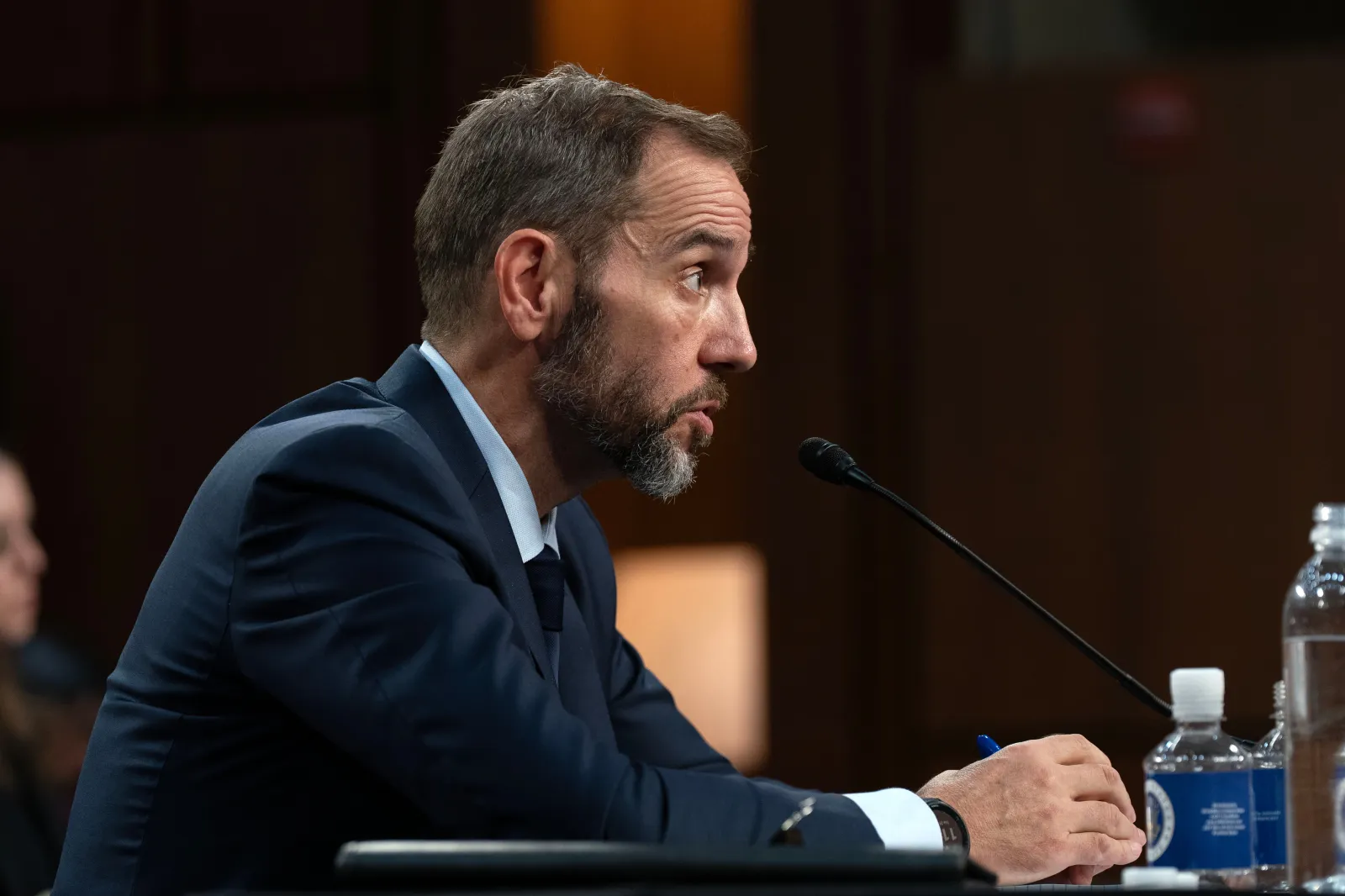
The dispute comes as the two sides also clash over whether former special counsel Jack Smith should be deposed in the case. Trump’s lawyers argue that Smith’s testimony would be duplicative because his report on the January 6 investigation and his previous testimony are already publicly available. The BBC contends that Smith, who spent years investigating the events, is a key source of evidence in the litigation.
...
BBC Says Trump Delayed Deposition for Months
The BBC has argued that Trump's legal team repeatedly failed to provide a firm deposition date despite requests beginning in July.
In its October filing seeking a discovery hearing, BBC attorney Tobin said the broadcaster still had not been able to question Trump, whom it considers a central figure in the case, despite having only a limited period remaining for discovery.
"Those delays have flouted the cooperative spirit of discovery and precluded the BBC from obtaining the evidence necessary to robustly litigate its defense," Tobin wrote.
According to the BBC's filing, the parties eventually agreed to October 16 after repeated follow-ups. But on September 28, Trump's counsel informed the broadcaster that the president was no longer available on that date because of matters of national importance including the conflict in Iran, unrest elsewhere in the Middle East, the war between Russia and Ukraine, and other issues affecting national security and the U.S. economy.
The BBC said Trump's lawyers initially indicated that they would endeavor to provide a replacement date by the end of that week. During the first week of October, however, the broadcaster said it was told that Trump had no availability before the discovery deadline of December 18 and would instead be available during the second or third week of January.
The broadcaster argued that Trump had accepted the obligations of civil litigation when he filed the lawsuit and that his deposition should not be deferred beyond the discovery period without court intervention.
The broadcaster asked the court to address the dispute and compel Trump to sit for questioning.
Rally Appearance Becomes Point of Contention
The circumstances surrounding October 16 have become a central point of disagreement between the parties.
The BBC has pointed to Trump's appearance at the campaign rally in Dalton, Georgia, on the day he had been scheduled to give his deposition. The broadcaster has also cited a fundraising event at Mar-a-Lago as it challenged the explanation that national matters prevented the president from attending.
Trump's filing offers a different account, arguing that the postponement was necessary because of the demands of the presidency and that his lawyers remained in communication with the BBC about rescheduling.
The filing does not directly address the BBC's contention that Trump attended a rally on the original deposition date.
Instead, Trump's lawyers argue that the broadcaster terminated negotiations prematurely by filing its motion before responding to the proposed January window. They say the BBC did not give Trump's team a reasonable opportunity to provide its position before submitting the motion.
Trump Invokes Presidential Responsibilities
Trump's lawyers cited Supreme Court decisions recognizing that the president's responsibilities and schedule warrant special consideration during civil litigation.
The filing relies on Clinton v. Jones, the 1997 Supreme Court decision holding that a sitting president does not have categorical immunity from civil litigation over conduct unrelated to official duties. The court also recognized that presidential responsibilities should inform the timing and scope of discovery.
The lawyers additionally cite Cheney v. U.S. District Court, a 2004 decision emphasizing the need for judicial deference when civil discovery implicates the executive branch's responsibilities and confidentiality interests.
Related Story
BBC Wants Jack Smith to Testify About Jan. 6 in Trump Lawsuit
Related Story
Judge Warns Trump of Sanctions Over Conduct in BBC Lawsuit
Trump's team argues that those principles support accommodating his schedule and security arrangements, even though he is the plaintiff rather than a defendant in the case.
The BBC, by contrast, has maintained that Trump must comply with the ordinary obligations of civil litigation and that the delay has impeded its ability to prepare its defense.
The court has not yet ruled on Trump's request to prohibit video recording.
What Trump's Lawsuit Alleges
Trump filed the lawsuit against the BBC in Florida in December, seeking $10 billion in damages over the broadcaster's editing of his January 6, 2021, speech in the Panorama documentary Trump: A Second Chance?
The lawsuit seeks $5 billion for alleged defamation and another $5 billion for alleged unfair trade practices. Trump alleges that the BBC misleadingly edited separate portions of his speech to make it appear that he delivered a continuous statement encouraging supporters to attack the U.S. Capitol.
The documentary combined remarks in which Trump said he would walk with supporters to the Capitol with comments delivered later in the speech, including his exhortation to "fight like hell."
Trump argues that the edit created a false and damaging impression that he had directly encouraged violence.
The controversy emerged after a memo by former BBC adviser Michael Prescott raised concerns about the documentary's impartiality and the editing of Trump's speech. BBC Director General Tim Davie and BBC News CEO Deborah Turness subsequently resigned.
BBC chair Samir Shah apologized for the edit, acknowledging that it gave the impression of a direct call for violent action. The broadcaster has nevertheless denied that the documentary defamed Trump and is seeking to have the lawsuit dismissed.
Newsweek’s reporters and editors used Martyn, our AI assistant, to produce this story. Learn more about Martyn here. Contact Newsweek editors on this story: Edward T. Cummins
View 0 Comments
Submit Correction
View Editorial & AI Guidelines