...

By Kate Nalepinski
Reporter
0
Share
Newsweek is a Trust Project member
See more of our trusted coverage when you search.Prefer Newsweek on Googleto see more of our trusted coverage when you search.
The federal government is undergoing a wave of job cuts across multiple agencies in 2025. Spearheaded by the Department of Government Efficiency (DOGE), these reductions have impacted many public sector employees, from environmental regulators to defense contractors.
This week, the Trump administration begins rehiring thousands of probationary workers, which incorporates Department of Veterans Affairs, Department of the Treasury, Department of Agriculture, Department of Defense, Department of Energy and Department of the Interior. It comes after Judge William Alsup ordered multiple government agencies to rehire them last week.
Why It Matters
The wave of federal government layoffs in 2025 impacts tens of thousands of public sector workers. The cuts, part of President Donald Trump's broader effort to reduce government spending, have sparked concerns about economic instability, the strain on unemployment systems, and the disruption of essential government services.
Read More on U.S.
The layoffs have already had significant consequences, affecting federal agencies, contractors, and even military installations. As the reductions continue, political, economic, and legal battles are intensifying over the legality and impact of these cuts.
...
What To Know
Over a dozen federal agencies have been impacted by layoffs thus far.
Layoffs announced by U.S. employers jumped 245 percent in February, with federal government job cuts leading the surge, according to Reuters. Government agencies accounted for the bulk of these layoffs, with 62,530 federal workers dismissed in the first two months of 2025. That's a dramatic 41,311 percent increase compared to the same period in 2024.
The scale of layoffs has already started to overwhelm the Unemployment Compensation for Federal Employees (UCFE) program, according to a CNBC analysis. The Century Foundation, a progressive think tank, reported that the mass firings could result in significant delays for federal workers trying to access unemployment benefits.
What Is DOGE?
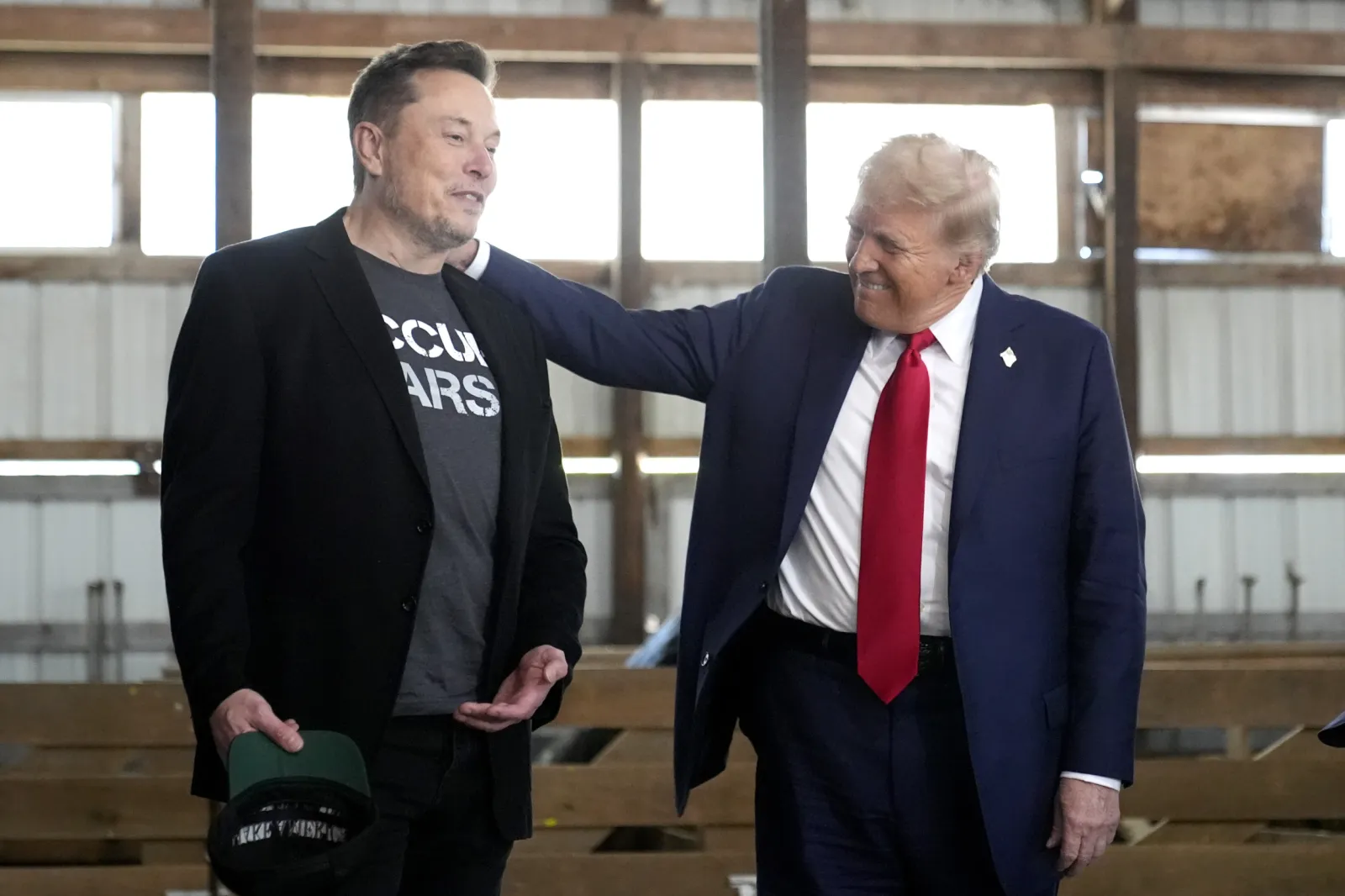
The Department of Government Efficiency, led by billionaire Elon Musk, was created to oversee broad reductions in federal employment. Musk has defended the cuts as necessary to eliminate "government bloat" and improve efficiency.
In an interview with Fox News last month, Trump suggested that DOGE's cost-cutting measures could be Musk's greatest accomplishment, topping his efforts at Tesla and SpaceX.
Trump's executive order about reshaping the workforce through the Department of Government Efficiency states that the administration will "empower American families, workers, taxpayers, and our system of Government itself."
A survey by polling firm YouGov indicated that support for DOGE has declined week over week. This comes as the Trump administration was ordered to reinstate federal workers that he laid off.

...
Federal Government Layoffs In 2025
Several federal agencies have been significantly affected by the layoffs.
The federal agencies that have been hit with layoffs include:
- Department of Education: After President Trump vowed to reduce the agency, the Department of Education announced plans to cut about half of its employees.
- NASA: On March 10, The New York Times reported that NASA would cut about 20 employees, including its chief scientist, Katherine Calvin. The last day of work for these employees is April 10. In turn, the organization is expected to shut the Office of the Chief Scientist and the Office of Technology, Policy and Strategy.
- Department of Defense: The Pentagon began cutting civilian roles earlier this week, with around 4,000 DOD employees removed, per Fox News. That's slightly down from the DOD's predicted staff cuts of 5,400 from February
- Internal Revenue Service: Nearly 7,000 employees were let go at the IRS, according to the Associated Press. And more could be coming—the IRS is working on plans to cut up to half its 90,000-person workforce.
- Department of the Interior: The National Park Service lost about 1,000 employees, which may impact maintenance and visitor services across national parks.
- Environmental Protection Agency: The EPA dismissed over 300 staff members, including environmental scientists and regulatory enforcement officials, per Reuters.
- Department of Veterans Affairs: More than 1,300 VA workers were terminated, and more are expected.
- Department of Housing and Development: Around 780 employees have been cut from HUD. But documents obtained by the Associated Press show the department might cut its workforce in half, impacting some 4,000 positions.
- U.S. Department of Agriculture: In February, thousands of employees were released from the USDA.
- Department of Energy: A DOE spokesperson previously told Newsweek that across the Energy Department, less than 700 probationary employees have been dismissed. "These dismissal numbers pale in comparison to the total amount of positions the Biden administration hired over four years."
- Federal Aviation Administration: In mid-February, around 400 probationary employees who had been with the FAA for less than two years were terminated.
- National Oceanic and Atmospheric Administration: On March 12, NOAA announced it was cutting another roughly 1,000 employees as part of Trump's reductions, after initial staff cuts.
- Consumer Financial Protection Bureau: Around 200 CFPB workers, most of whom were not probationary employees, are estimated to have been cut. On February 14, U.S. District Judge Amy Berman Jackson directed the government to stop terminating CFPB employees except for reasons related to performance or misconduct.
- Department of the Treasury: The New York Times reports 76 employees have been fired from the Treasury Department.
- United States Postal Service: As previously reported by Newsweek, USPS has announced it will be working with DOGE to cut 10,000 jobs. Outgoing Postmaster Louis DeJoy confirmed he had signed an agreement with DOGE and the General Services Administration GSA to "assist us in identifying and achieving further efficiencies."
How Many Federal Jobs Have Been Cut?
It is not immediately clear exactly how many federal workers have been cut in 2025. However, based on reporting by Newsweek and other media outlets, an estimated 222,000 job cuts have been announced this year, with more expected as federal agencies implement budget reductions.
Federal contractors have also been impacted, and some private sector employers have laid off workers due to funding losses. Additionally, several state governments reliant on federal grants have begun to see secondary job losses.

...
Which Federal Positions Could Be Cut?
While some agencies have already seen extensive cuts, others are bracing for further reductions. Positions at risk include:
- Regulatory enforcement officers at the EPA and FDA
- Financial analysts in the Treasury Department
- Administrative personnel across multiple agencies
- Scientists and researchers in federally funded institutions
The Biden-appointed Merit Systems Protection Board has intervened in several cases to temporarily reinstate employees. On March 4, the board ordered the USDA to temporarily reinstate more than 5,000 probationary employees for 45 days while an investigation into the legality of their termination was conducted.
What Happens Next
With lawsuits challenging the legality of some layoffs and Congress considering emergency legislation to provide financial assistance to affected workers, the future of these reductions remains uncertain.
As agencies scramble to adjust to reduced workforces, the long-term impact on public services and government operations is still unfolding.
Check back for the latest updates on federal employee cuts.
Update 3/11/25 9:05 a.m. ET: This story has been updated with additional information.
Update 3/12/25 9:20 a.m. ET: This story has been updated with additional information.
Update 3/13/25 4 p.m. ET: This story has been updated with additional information.
View 0 Comments
Submit Correction
View Editorial & AI Guidelines