...

By Lucy Notarantonio
Senior Reporter
0
Share
Newsweek is a Trust Project member
See more of our trusted coverage when you search.Prefer Newsweek on Googleto see more of our trusted coverage when you search.
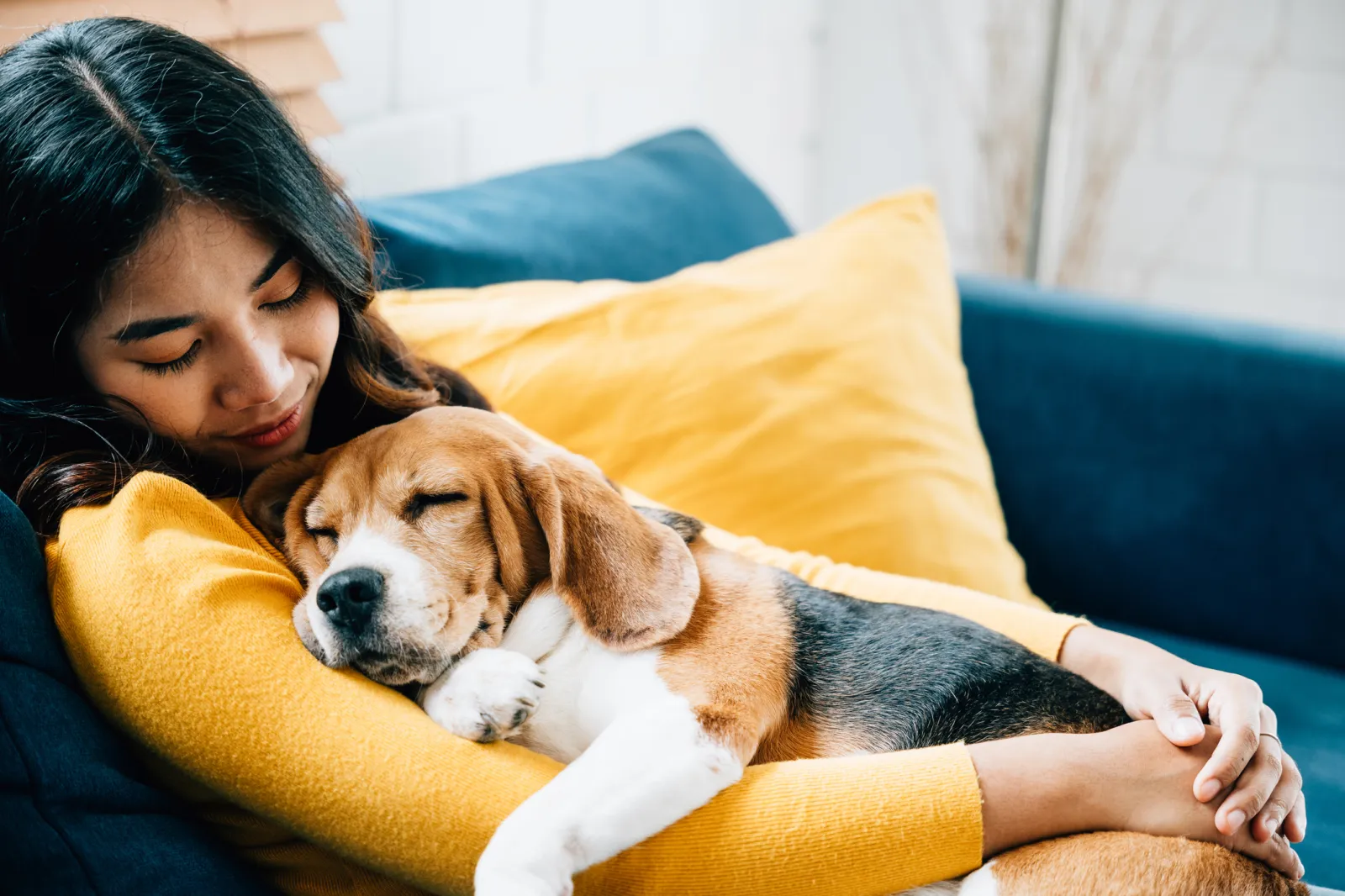
When your dog leans into you, paws at your chest, or presses close during a stressful moment, it’s easy to assume they’re just being affectionate. But according to a dog trainer, those “cuddles” may actually be a request for help.
Amanda Farah, national training and behavior coordinator for Best Friends Animal Society, a nonprofit animal welfare organization based in Kanab, Utah, says some dogs seek closeness not for affection, but because they’re anxious and need support.
That distinction matters, especially as anxiety is common among dogs. According to one study, 49.9 percent of U.S. dogs displayed moderate to severe anxiety.
Read More on Pets
...
Signs Your Dog Is Seeking Support, Not Affection
When a dog is anxious, the behavior can look similar on the surface—but the signals underneath are very different. Farah says owners should look out for the following signs that indicate a dog is hugging their owner because they need support, not affection:
- Using their paws to tap the owner
- Body tension, including a tense face and pulled-back ears
- A tucked tail
- Stress panting
- Whale eye, when they’re facing you but looking back at whatever is scary to them
These behaviors suggest the dog is overwhelmed and looking to their owner for help navigating the situation.

...
How Owners Should Respond
So how can dog owners respond in ways that support their dog’s emotional health—not just their cuteness?
“The best way to respond is by listening to what your dog is telling you they need. Dogs who are anxious in certain situations should not be ignored while the ask for help,” Farah said.
She explained that if a dog starts to hug their owner in a park, it often means they feel uncomfortable and want to leave—but can’t do it alone.
“Provide comfort and leave those situations when you can,” she said. “You can always work to get them more comfortable over time instead.”
If leaving isn’t possible, such as during a vet visit, Farah advises a different approach.
“If you can’t leave, take a deep breath, radiate calm and confidence, and assure them everything is fine,” she said.
What a True Affectionate Cuddle Looks Like
Farah says context and body language are key when interpreting what your dog is trying to communicate.
“A true cuddle for affection comes when both the situation and the dog are comfortable—loose and relaxed, no or very little body tension, a soft relaxed facial expression, maybe even a tongue lolling to the side of the mouth if that’s their style,” she said.
In those moments, the dog isn’t seeking relief from stress. Instead, they’re choosing closeness because they feel safe and content.
Why Comforting an Anxious Dog Won’t Make Things Worse
One important thing to know, Farah says, is that it’s not possible to reinforce an emotional and physiological response like anxiety or fear. In other words, comforting a scared dog will not increase the chances of them becoming fearful again.
“They aren’t choosing to be afraid, so they can’t choose to be afraid again to receive comfort,” she said. “Comfort your dog when they’re anxious or afraid, move away from the scary things when you can, and go home and cuddle.”
Understanding the difference between affection and anxiety can help owners respond more thoughtfully—and ensure their dogs feel supported when they need it most.
Reference
Serpell, James A., and Lauren R. Powell. “Prevalence and Severity of Behavior Problems in Dogs in the United States: A Re-Assessment.” Journal of Veterinary Behavior, vol. 83, Jan. 2026, pp. 8–13. ScienceDirect, https://doi.org/10.1016/j.jveb.2025.11.005.
View 0 Comments
Submit Correction
View Editorial & AI Guidelines