10
Loading video...

By Liz O'Connell
Reporter
0
Share
Newsweek is a Trust Project member
See more of our trusted coverage when you search.Prefer Newsweek on Googleto see more of our trusted coverage when you search.
Dog parks can be a great place for pets to burn off energy, socialize and enjoy off-leash freedom, but for some, the experience can be overwhelming, and small mistakes by owners can turn a fun outing into a stressful or even dangerous situation.
From missing early signs of discomfort to bringing a sick dog into a shared space, owners play an important role in keeping dog parks safe for everyone.
"Dog parks can be high-arousal spaces, and small lapses—missed body language, or one dog getting cornered—can escalate quickly into conflict or injury," Dr. Kristine Smith, director of Medical Affairs at animal health company Zoetis, told Newsweek.
Read More on Pets
Before heading to the park, Smith said owners should consider whether their dog is actually ready for the environment, as not every dog thrives in a crowded, unfamiliar setting.

...
Not Preparing Dogs for Social Situations
One of the biggest mistakes owners make is assuming every dog will naturally enjoy the dog park experience. A friendly interaction can quickly change if a dog becomes fearful, overwhelmed or feels trapped.
"Even dogs without a history of aggression can quickly lash out due to fear or overwhelm," Smith said.
Instead of heading straight to a busy park, Smith recommends introducing dogs to smaller, controlled play dates with one or two familiar dogs first to gauge their comfort level. This allows owners to learn how their dog responds to different play styles and social situations.
Ignoring Signs a Dog Is Uncomfortable
Dogs often communicate discomfort long before a situation escalates, but owners frequently miss the subtle signs.
According to Smith, a tucked tail, pinned-back ears, stiff posture, hiding behind an owner or avoiding play can all signal that a dog wants space.
"If your dog is not taking part in instigating play, he’s probably not ready and you should remove him from the interaction," Smith said.
Owners should also watch for changes in body language from other dogs. A dog that repeatedly tries to escape, freeze or avoid interaction may be signaling that they have had enough.
Related Story
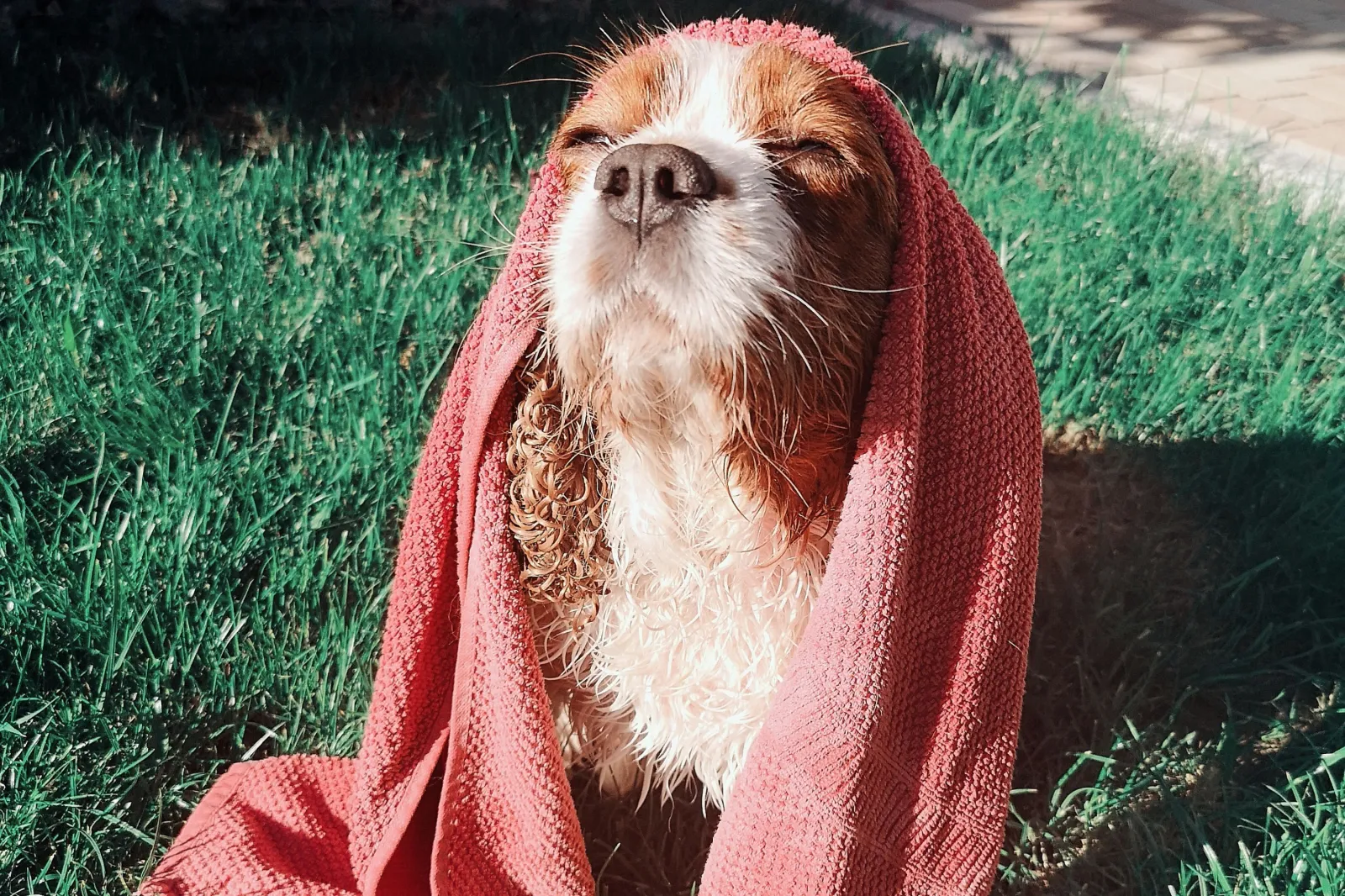
Your Dog Could Be at Risk of Sunburn—the First Signs Are Easy to Miss
Mistaking Unsafe Play for Normal Play
Healthy play is usually loose and bouncy, with dogs taking turns to chase, wrestle, or initiate contact. Dogs may pause, switch roles or offer signs of submission, such as lying down or rolling over.
However, Smith said owners should intervene when play becomes one-sided or tense. Those warning signs include:
- Growling
- Showing teeth
- A stiff posture
- One dog repeatedly targeting another
- Nonstop rough play
- One dog appearing unable to disengage
"If you are unsure if your dog is uncomfortable or not, it’s best to back off from the interaction until you (or your dog) is certain it’s playtime," Smith said.
Failing to Supervise Actively
A trip to the dog park is not the time for owners to scroll on their phones or socialize while ignoring their pets. Active supervision means keeping eyes on your dog, staying close enough to intervene and paying attention to the overall group dynamic.
Owners should notice which dogs are chasing each other, whether one becomes overwhelmed, when new canines enter the park and if the play is still mutual and enjoyable. Even a dog that is having fun can become tired, overstimulated or too rough as play continues.
"If the time comes that one dog is being overly targeted by other(s), or if a dog is showing overt and non-stop rough play, it might be time to take a break," Smith said.
Bringing Sick Dogs to the Park
Another common mistake is bringing a dog to the park when they are showing signs of illness.
Some owners may assume a cough, runny nose, or mild symptoms are harmless, but respiratory illnesses, such as kennel cough or canine influenza, can spread quickly among dogs, particularly to puppies, senior dogs and those with weakened immune systems.
"Staying home when a dog is coughing, sneezing, or unusually lethargic is part of good etiquette," Smith said.
Skipping Preventive Care
Smith also recommends dogs stay current on routine veterinary wellness exams, vaccinations and parasite prevention before visiting dog parks.
Routine vaccines help protect against serious diseases such as parvovirus, leptospirosis and rabies, while parasite prevention helps reduce the risk of fleas, ticks, heartworm disease and internal parasites.
Even when no other dogs are present, contaminated areas can still pose risks.
"Dog parks aren’t only a risk for rough play, but they are well-documented germ arenas," Smith said, comparing them to playgrounds where children gather.
Bringing Toys, Treats or High-Value Items
While owners may want to bring a favorite toy to make the visit more fun, certain items can unintentionally create conflict. Toys, chew bones, and food can become valuable resources that dogs may compete over.
"Dogs don’t understand the importance of ‘sharing’ or ownership, so best not to put that expectation out there," Smith said.
Leaving high-value items at home can help prevent unnecessary tension between dogs.
Not Every Canine Belongs at the Dog Park
Dog parks are not the right fit for every pet. Smith said dogs with a history of fear aggression, negative social experiences or anxiety may be better suited to other forms of exercise and enrichment.
Sick, injured, immunocompromised or under-vaccinated dogs should also avoid dog parks until they're healthy.
The One Rule Every Owner Should Follow
For Smith, the most important dog park etiquette rule is simple: Pay attention to your own dog and respect when another dog wants space.
"Even if we all tend to think our own dogs are always on their best behavior, if they are interacting with another dog who doesn’t appreciate their attention, be polite and ask your dog to let them be," she said.
A successful dog park visit is about making sure every dog leaves feeling safe, comfortable and ready to come back.
Contact Newsweek editors on this story: Rebecca Flood and Sam Wilson.
View 0 Comments
Submit Correction
View Editorial & AI Guidelines