...

By Suzanne Blake
Reporter
0
Share
Newsweek is a Trust Project member
See more of our trusted coverage when you search.Prefer Newsweek on Googleto see more of our trusted coverage when you search.
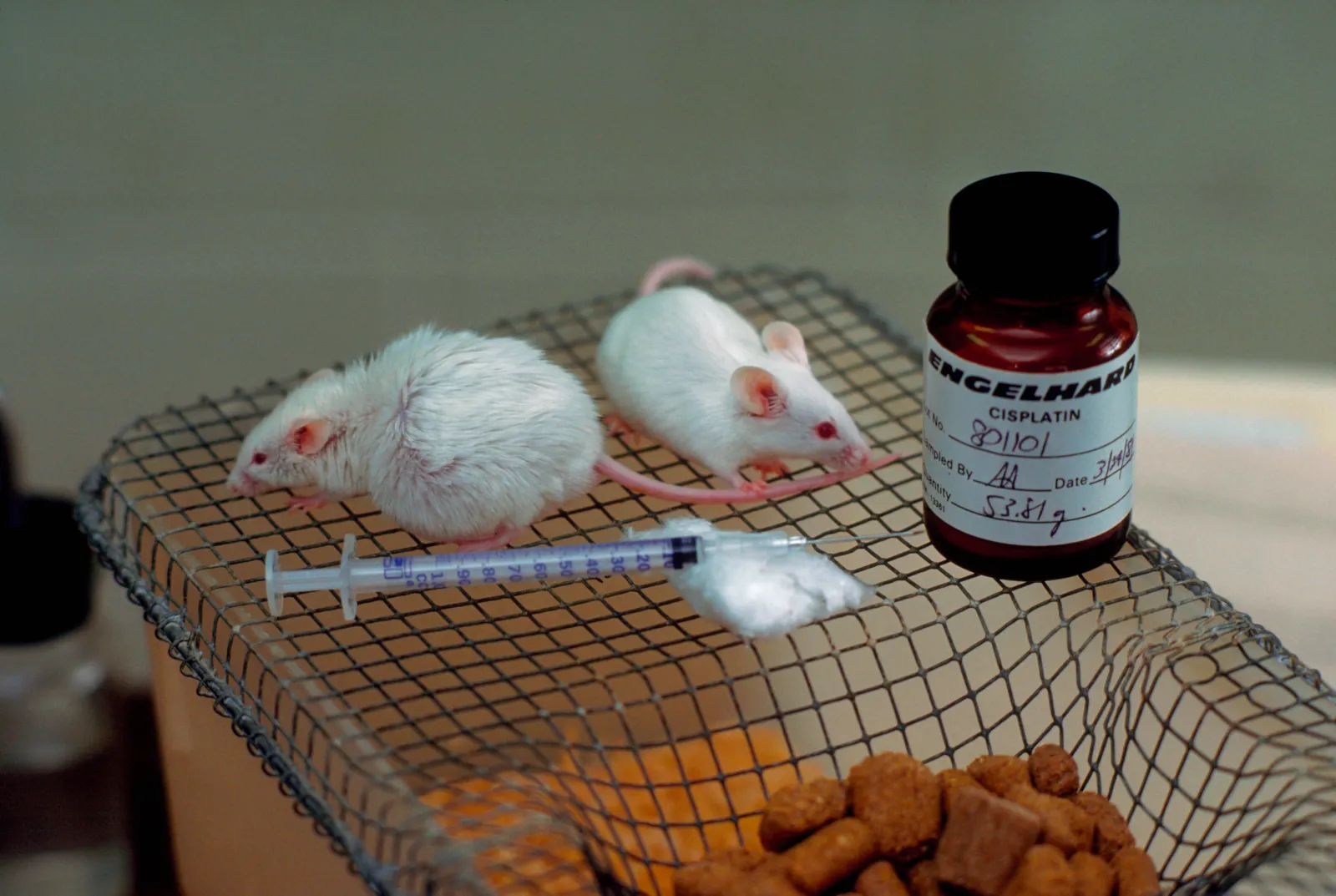
A major medical breakthrough might have been achieved while researching an eventual cure for pancreatic cancer, as a new study from scientists in Spain discovered that triple therapy could entirely eliminate it in mice.
Why It Matters
Pancreatic cancer is among the most aggressive and deadly cancers, but the new study indicates developments in a path to a possible cure. Every year, more than 50,000 Americans die from it.
Read More on Health
...
Is there a cure for pancreatic cancer? What to know
While a cure has not been discovered for pancreatic cancer, the success of the study in Spain will likely lead to further trials. "These studies open a way to design new combination therapies that can improve the survival of patients with pancreatic ductal adenocarcinoma," the study's authors said in a statement. "These results set the direction for the development of new clinical trials, it added.
The study's results have been published in science journal PNAS and indicate a triple therapy method could be instrumental in curing certain kinds of treatment-adverse pancreatic cancer. Triple therapy generally refers to a medical treatment strategy involving the use of three different medications to enhance therapeutic effectiveness.
What is the latest breakthrough in a search for a pancreatic cancer cure?
The Spanish researchers developed a drug-based cure for mice in pancreatic cancer. The treatment combines three drugs, known as CNIO therapy, to end multiple tumor survival mechanisms simultaneously. The study was led by cancer biologist Mariano Barbacid.
What are the symptoms of pancreatic cancer?
The symptoms of pancreatic cancer are wide-ranging. Many with severe health effects do not emerge until the cancer has grown significantly.
But other symptoms like fatigue, weakness, jaundice, itchy skin, dark pee and light-colored stool are common in the early stages.
How deadly is pancreatic cancer?
Pancreatic cancer is among the deadliest types of cancer in the world.
It is the third-leading cause of cancer death in the United States, and only about 12 percent of all patients with pancreatic cancer are alive five years after their diagnosis, according to the University of Utah Huntsman Cancer Institute.
What People Are Saying
The study authors, in a statement: "We are not yet in a position to carry out clinical trials with triple therapy. The authors themselves warn that optimising this combination for patients will be a complex process, although they are confident that the finding will set the course for future trials.”
Ph.D. chemist Simon Maechling, on X: “Mice are a filter - not a finish line. Yes, this study matters. It comes from the Spanish National Cancer Research Centre. Yes, it’s pancreatic cancer - one of the deadliest there is. Yes, full tumor regression is impressive. But here’s what it actually means: ‘his approach is now good enough to risk years, trials, and millions of euros on.’ Not: ‘Cancer is solved.’”
Actor Alan Rickman's widow, Rima Horton, discussing pancreatic cancer symptoms on BBC Breakfast this month: “The biggest problem is that by the time that people find out they've got it, it's too late. The symptoms are so difficult to work out. What we're trying to do is raise money for a breathalyzer test which could provide an early diagnosis."
What Happens Next
If the results of the study lead to clinical trials under a typical timeline, more insight into what actually could be a cure for pancreatic cancer is expected in eight to 10 years at the earliest, according to Maechling.
“Every ‘cured cancer in mice’ headline trains the public to believe: Cures are being hidden. Progress should be fast. Scientists are lying when reality hits,” Maechling also wrote on X.
“That’s how trust erodes. Bottom line: This is how real cancer progress looks. Messy. Slow. Risky. Incremental.”
View 0 Comments
Submit Correction
View Editorial & AI Guidelines