...

By Amir Daftari
News Reporter
0
Share
Newsweek is a Trust Project member
See more of our trusted coverage when you search.Prefer Newsweek on Googleto see more of our trusted coverage when you search.
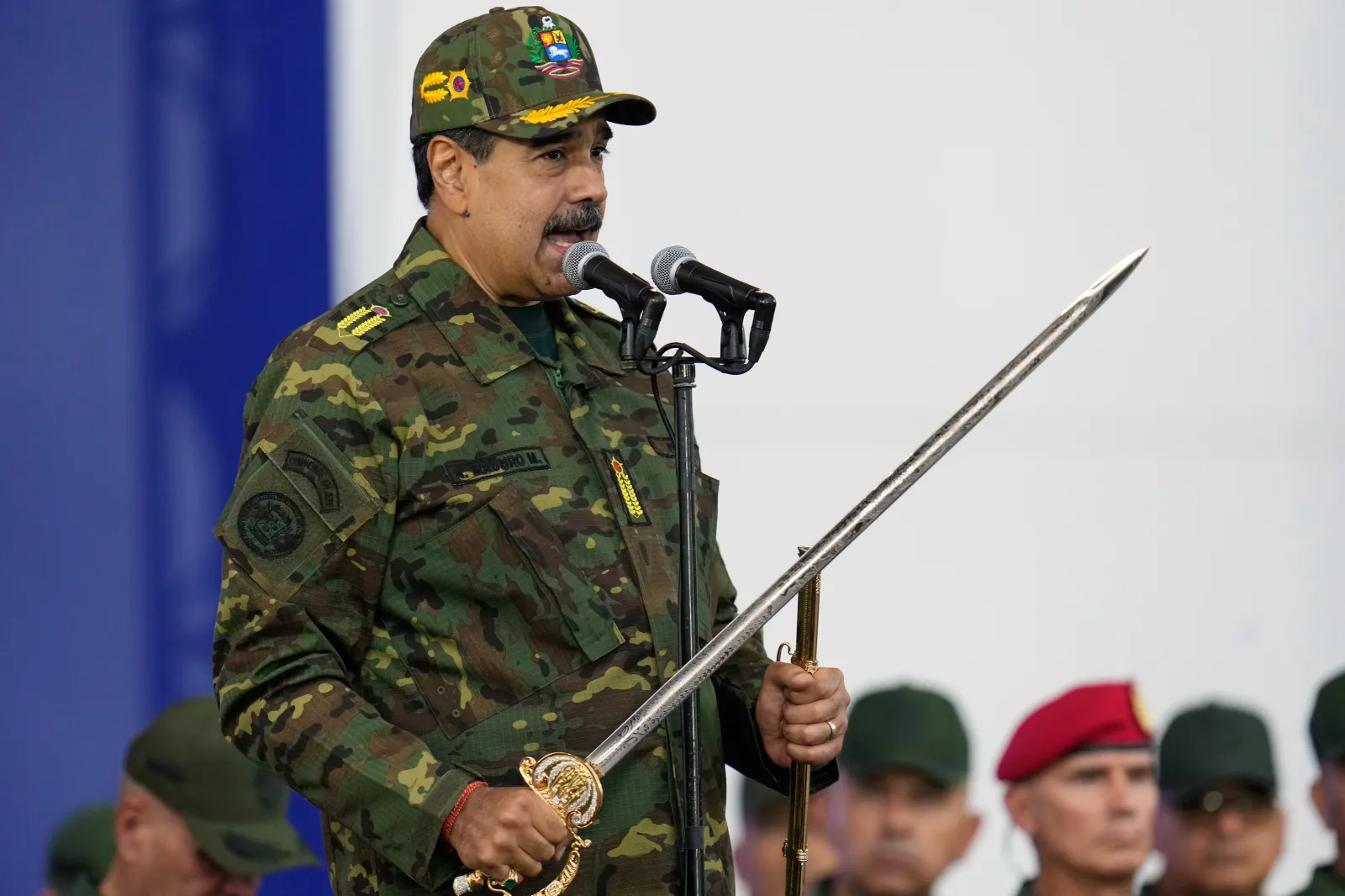
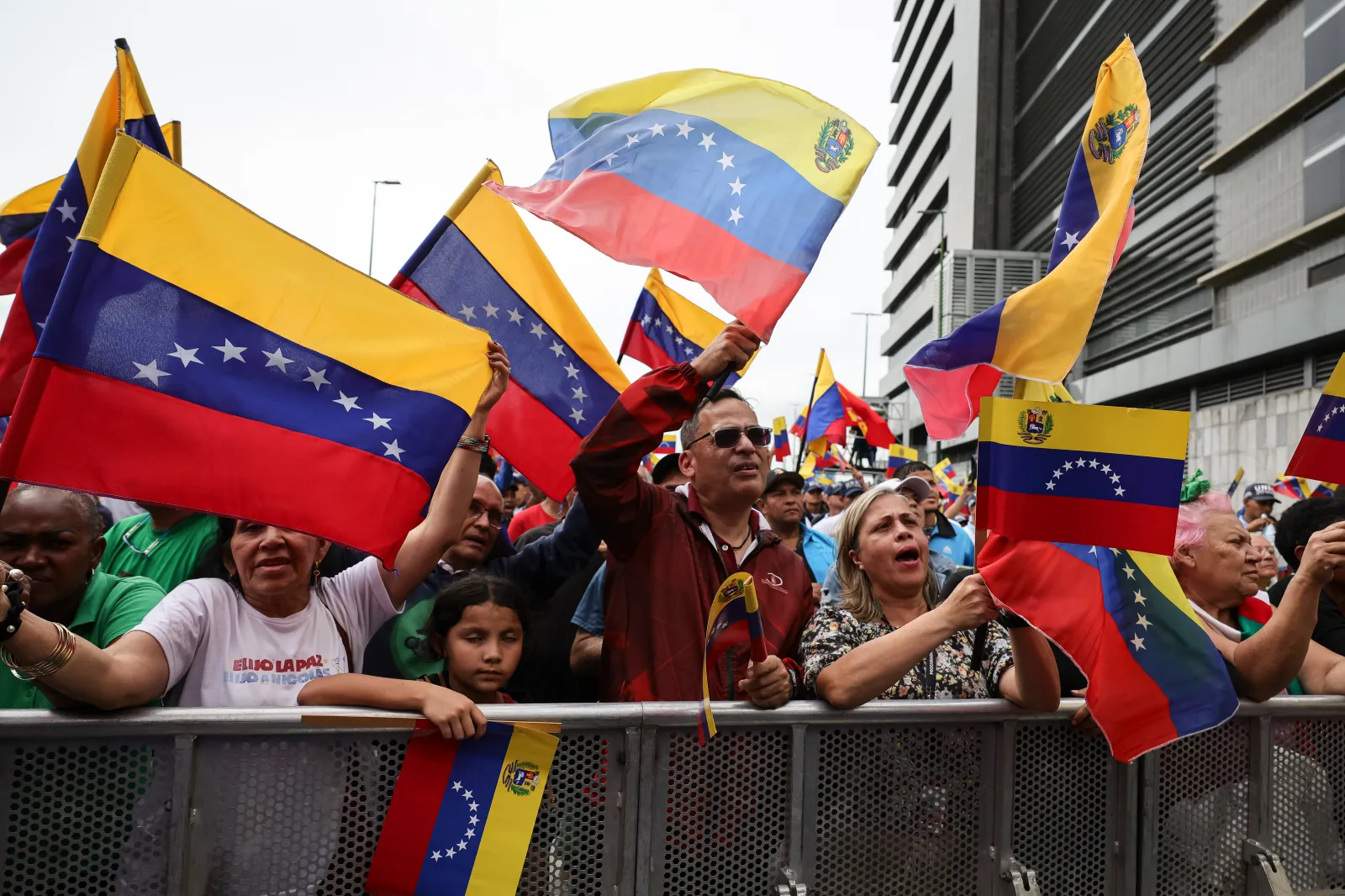
Venezuelan President Nicolas Maduro escalated his confrontation with the United States, rallying tens of thousands of supporters across Caracas as he framed the moment as a historic battle for national survival.
Brandishing a sword and dressed in camouflage fatigues, Maduro said: "We must be ready to defend every inch of this blessed land from imperialist threat or aggression, no matter where it comes from."
Tuesday’s show of force unfolded as tensions with President Donald Trump’s administration reached their highest point in years, fueled by new U.S. designations, military deployments, and spiraling accusations between Washington and Caracas.
Read More on News
Newsweek has contacted the State Department and Venezuela's Foreign Ministry for comment.
Why It Matters
The confrontation has become one of the most volatile flashpoints in the Americas. U.S. pressure on Caracas stems from accusations that Maduro and senior officials are linked to narcotrafficking networks, including Washington’s designation of the Cartel de los Soles as a foreign terrorist organization, along with the deployment of major naval assets for what it describes as counter-narcotics operations.
Venezuelan leaders argue these moves are intended to justify intervention and seize the nation’s vast natural resources. Maduro has responded by mobilizing supporters and framing the crisis as a battle for sovereignty, using nationwide demonstrations to project internal unity despite deep economic strain and international isolation.
...
What To Know
The "Flag and Sword March of Liberator Simon Bolivar" brought thousands into the streets of Caracas and other cities as demonstrators protested what they described as a dangerous U.S. military buildup in the Caribbean. Marchers carried large Venezuelan flags, images of Maduro, and banners denouncing Washington’s actions.
Maduro addressed supporters declaring "Failure is not an option," a deliberate display of defiance intended to signal readiness for confrontation. His appearance reinforced the government’s narrative that Venezuela faces an existential threat from abroad.
U.S. Actions Trigger New Flashpoint
Tensions between Washington and Caracas have intensified in recent weeks. On Monday, the U.S. officially designated the Cartel de los Soles as a foreign terrorist organization, citing alleged links between the network and senior Venezuelan officials. Caracas immediately rejected the move, calling it a fabricated pretext for intervention and an attempt to undermine Venezuelan sovereignty.
...
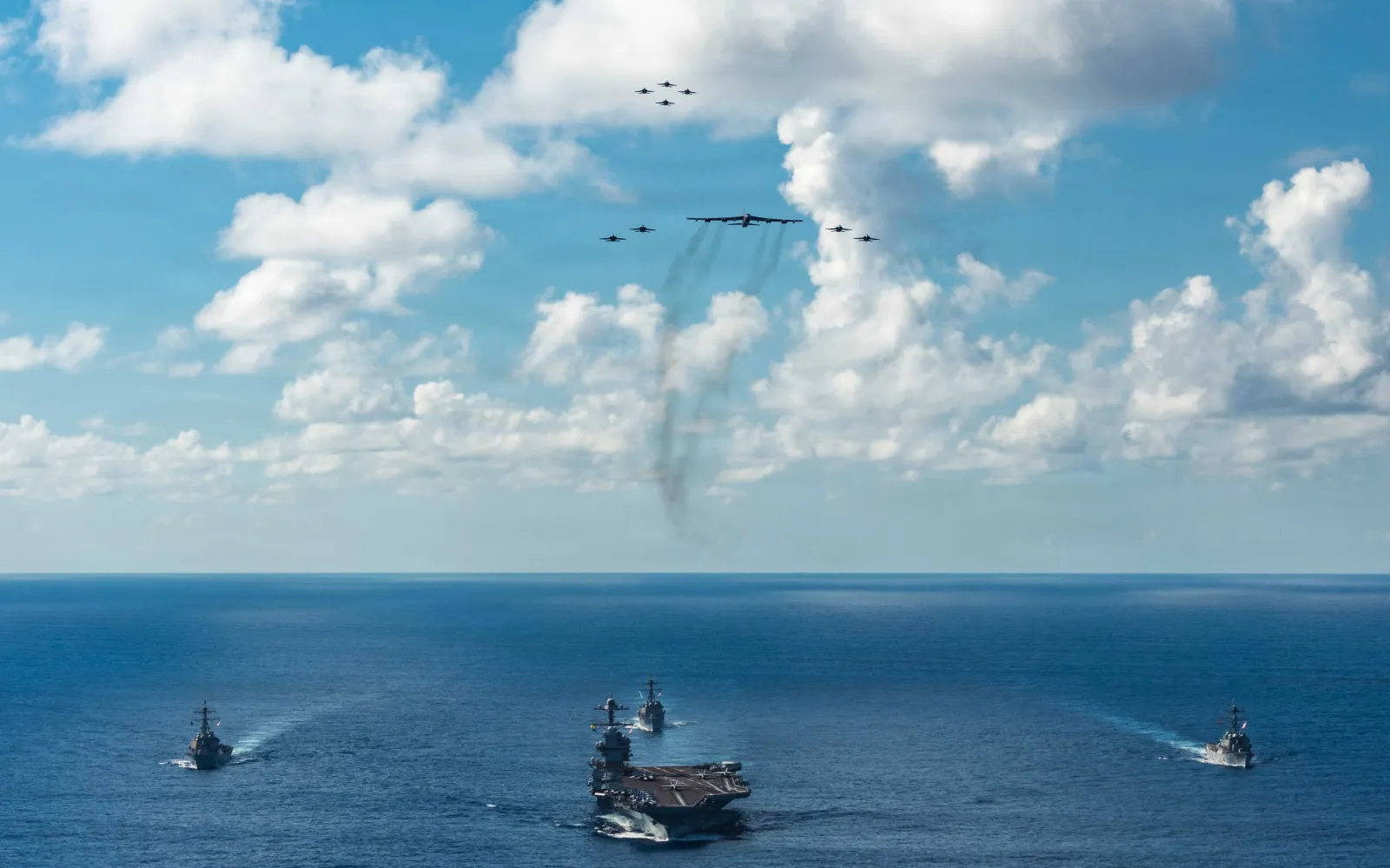
Separately, the U.S. has deployed the USS Gerald R. Ford, the world’s largest aircraft carrier, along with its strike group to the region. Officials describe the deployment as part of anti drug-trafficking operations.
Since late August, U.S. forces have carried out strikes on vessels suspected of drug trafficking, which Washington says often originate from Venezuela. The Maduro government has condemned these actions, insisting they constitute an unlawful threat in international waters, and has linked the pressure campaign to broader economic motives, arguing that the U.S. is seeking to exploit Venezuela’s vast natural resources.
Diplomatic Resolution?
Amid this rising tension, President Trump, while traveling to Florida for Thanksgiving, signaled that the U.S. was keeping both diplomacy and stronger measures on the table. He told reporters, "If we can save lives, if we can do things the easy way, that's fine. And if we have to do it the hard way, then that's fine too." His remarks offered no clear indication of de-escalation, underscoring the uncertainty surrounding how Washington will respond to Maduro’s defiance.
...
What People Are Saying
Venezuelan Vice President Delcy Rodríguez said on Monday: "They want Venezuela's oil and gas reserves. For nothing, without paying. They want Venezuela's gold. They want Venezuela's diamonds, iron, bauxite. They want Venezuela's natural resources."
Venezuelan President Nicolas Maduro told supporters on Tuesday: "We must be ready to defend every inch of this blessed land from imperialist threat or aggression, no matter where it comes from."
What Happens Next
With both nations entrenched in their positions, the crisis shows no signs of easing. Venezuela continues its military mobilization while Washington maintains pressure through sanctions, legal designations, and military presence. The path forward hinges on whether diplomatic lines reopen—or whether the region edges closer to open confrontation.
View 0 Comments
Submit Correction
View Editorial & AI Guidelines