...

By Hugh Cameron
Reporter
0
Share
Newsweek is a Trust Project member
See more of our trusted coverage when you search.Prefer Newsweek on Googleto see more of our trusted coverage when you search.
A deal that could bring the Iran war to a close has been met with optimism from global energy markets and world leaders alike, but analysts believe it could be many months before oil flows normalize and gas prices climb down to their preconflict levels.
Washington and Tehran announced the truce on Sunday, following more than three months of fighting that has devastated Iranian infrastructure, damaged energy facilities across the region and triggered a prolonged blockade of the Strait of Hormuz—together creating what the International Energy Agency (IEA) has labeled the worst energy crisis in history.
Both sides hailed the agreement as a victory, and Pakistan, which served as a mediator in the negotiations, has said that an official signing ceremony is scheduled for June 19 in Switzerland.
Read More on News
And President Donald Trump, in a series of posts on Truth Social, said that the deal would also see the Strait of Hormuz reopened and energy flows return to normal.
"Ships of the World, start your engines," the president wrote. "Let the oil flow!"
Are Ships Passing Through the Strait of Hormuz?
Trump said Monday that ships carrying oil were already moving through the Strait of Hormuz following the agreement.
"Ships are starting to move, many loaded up with Oil, out of the Strait of Hormuz. They are going along the Southern 'Highway,' which is totally safe, secure, and pristine. There are other areas of travel, also!!!" the president posted to Truth Social.
Vessels are not yet passing freely through the Strait—through which around a fifth of global oil typically flows—according to shipping traffic monitors.
Only two transits have occurred over the past 24 hours as of Monday morning, per HormuzStraitMonitor.com.
Meanwhile, live feeds from the platform Marine Vessel Traffic show bottlenecks on either end of the Strait, with a small number of ships present in the waterway—many of these Iranian-flagged as well as some U.S. vessels conducting "Strait patrol."
On Sunday, Trump said that the passageway would be reopened without tolls "upon the signing of the Deal on Friday, for purposes of mine removal."
In a statement posted by Iran's Deputy Foreign Minister Kazem Gharibabadi, Tehran said that the U.S. naval blockade would also be "immediately and completely ended" as a result of the agreement.
...
Some have raised doubts about the durability of the deal, however, which comes after months of stop-start negotiations, a ceasefire marred by alleged violations, and Trump several times saying an end to the war was imminent.
The political scientist Robert Pape called the deal a "Memorandum of Disagreement," noting several unresolved disputes regarding the release of frozen Iranian assets and Israel’s bombardment of Lebanon, among others.
"Trump is getting fleeced by Iran," Pape wrote in a separate X post, adding that the Iranians "can close Hormuz again, and repeat the extortion."
"There are still several unknowns," according to Jorge León, an energy economist and head of geopolitical analysis at Rystad Energy.
León told Newsweek that the critical question is whether the truce holds, as well as whether Iran has been granted "more leverage than before, particularly given the demonstrated threat to flows through the Strait of Hormuz."
"It will therefore be crucial to see what kind of agreement the U.S. and Iran are able to reach," León added.
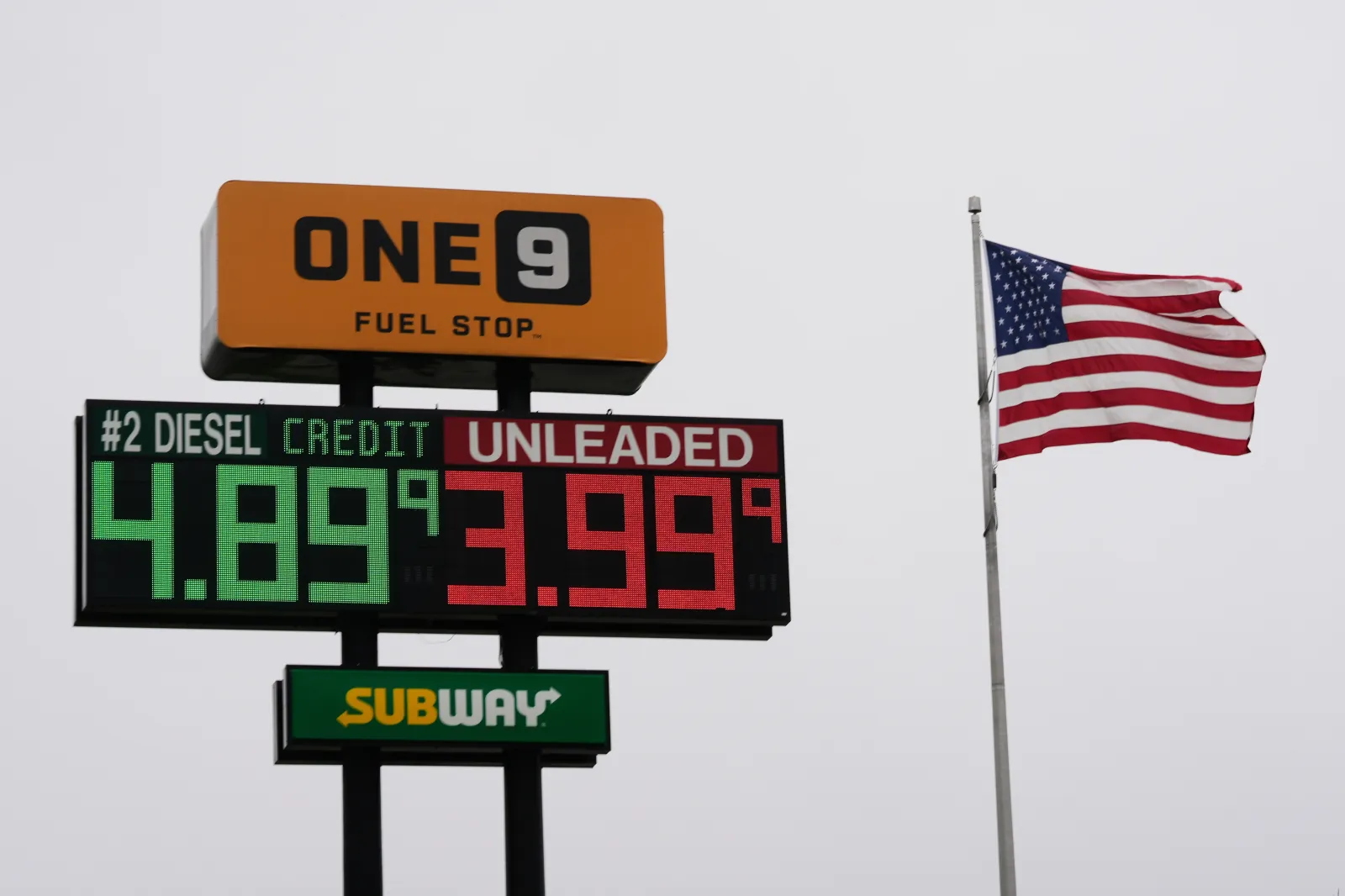
When Will Gas Prices Come Down?
Oil markets have already responded to the announcement, with West Texas Intermediate crude dropping to under $80 per barrel on Monday for the first time since early March.
"The most immediate impact has been seen in oil, where prices have fallen sharply on expectations that the Strait of Hormuz will remain open and that the risk of a prolonged supply disruption has diminished," Capital.com senior market analyst Daniela Hathorn said in a note on Monday.
And Trump has said repeatedly that prices will drop quickly once the conflict ends, telling reporters last month that these would "drop like a rock" as soon as a peace deal was reached that saw the Strait of Hormuz reopened.
But reflecting continued doubts about the geopolitical situation, damage to regional infrastructure, and the observed "rocket and feather" dynamics of gas prices—rising swiftly but descending slowly—analysts believe that it could be weeks or months before drivers enjoy meaningful relief.
Regarding oil flows recovering should the Strait reopen as previewed, Carole Nakhle, founder and CEO of the energy consultancy Crystol Energy, told Newsweek: "If the disruption was primarily related to shipping rather than damage to oil infrastructure, flows could normalize relatively quickly."
However, as traders and insurers reassess the new risk environment, this could prolong the recovery, and Nakhle said gas prices will likewise depend "on how much of the recent increase was driven by geopolitical fears rather than physical supply shortages."
"If the risk premium unwinds, consumers could start seeing relief at the pump within weeks, although a return to preconflict levels is not guaranteed," Nakhle added.
The economist Willy C. Shih, a professor at Harvard Business School, similarly predicted a delay in "refilling the pipeline," noting that damage to regional infrastructure—such as Qatar’s LNG facilities—will take "years to repair."
In analysis recently published by the U.S. Energy Information Administration (EIA), the agency forecast a gradual decline for fuel costs in the event of a peace deal.
Assuming the Hormuz Strait reopened in the third quarter of 2026, the EIA said it would take "several months to ramp up to preconflict traffic," and that oil production would also "remain disrupted" in the medium-to-long term.
In this scenario, gas prices are projected to stay elevated, and not to return to prewar levels until beyond the scope of the EIA’s forecast, which extends to the end of 2027.
The removal of mines from the Strait, the need for shipowners to "regain confidence," and the clearing of a monthslong "logistical backlog" will all delay the climbdown for energy costs, according to León.
He said that "oil flows through the Strait of Hormuz are unlikely to return to prewar levels until toward the end of the year, assuming the ceasefire holds."
"U. S. gasoline prices should ease as crude prices decline and flows normalize, but the path back toward prewar levels is likely to be gradual and will depend on how quickly the security risk premium fades," León added.
"That is unlikely to happen in the next six months."
Update 6/15/26 10:58 a.m. ET: this article was updated with additional information.
View 0 Comments
Submit Correction
View Editorial & AI Guidelines