...


By Marni Rose McFall and Joshua Rhett Miller
0
Share
Newsweek is a Trust Project member
See more of our trusted coverage when you search.Prefer Newsweek on Googleto see more of our trusted coverage when you search.
Police have launched a homicide investigation after reviewing images and videos recovered from a home in Philadelphia that appear to show the bodies of two missing women.
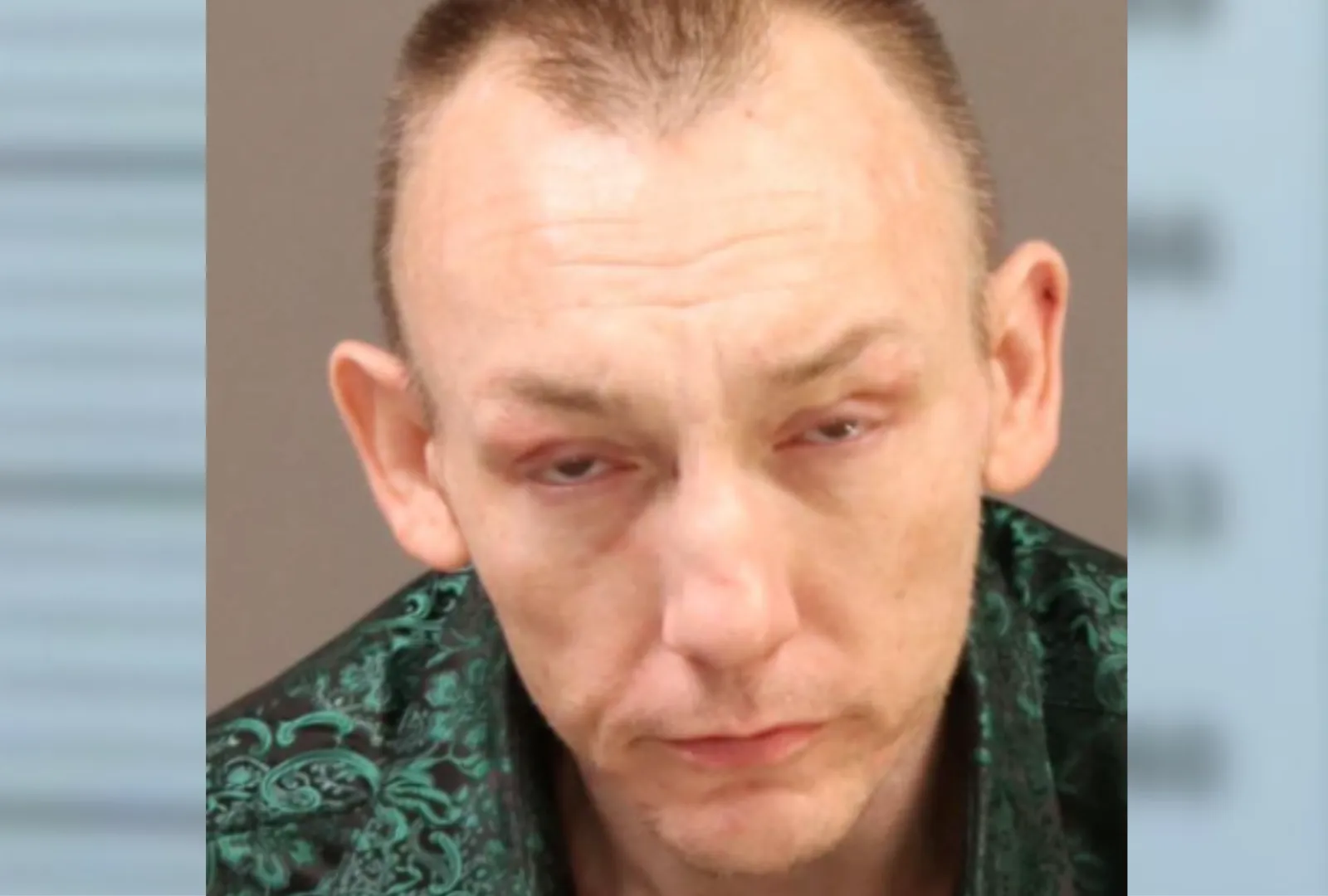
The images were recovered as part of an ongoing probe into 44-year-old Eugene Horsch, whose home in the city's Olney section has been the focus of a police inquiry since June.
...
Read More on News
Horsch remains in custody on charges relating to possessing firearms and counterfeit DEA and FBI credentials, according to local reports. He has not been charged with any new counts as of early Thursday, authorities said.
"This investigation remains active and ongoing," Philadelphia police officials told Newsweek in a statement.
The Philadelphia Medical Examiner's Office has reviewed the recordings, which are authentic and show the women as deceased, authorities said.
"However, because their bodies or remains have not been recovered, neither woman can be conclusively declared deceased, and no cause or manner of death can be determined," police officials said.
...
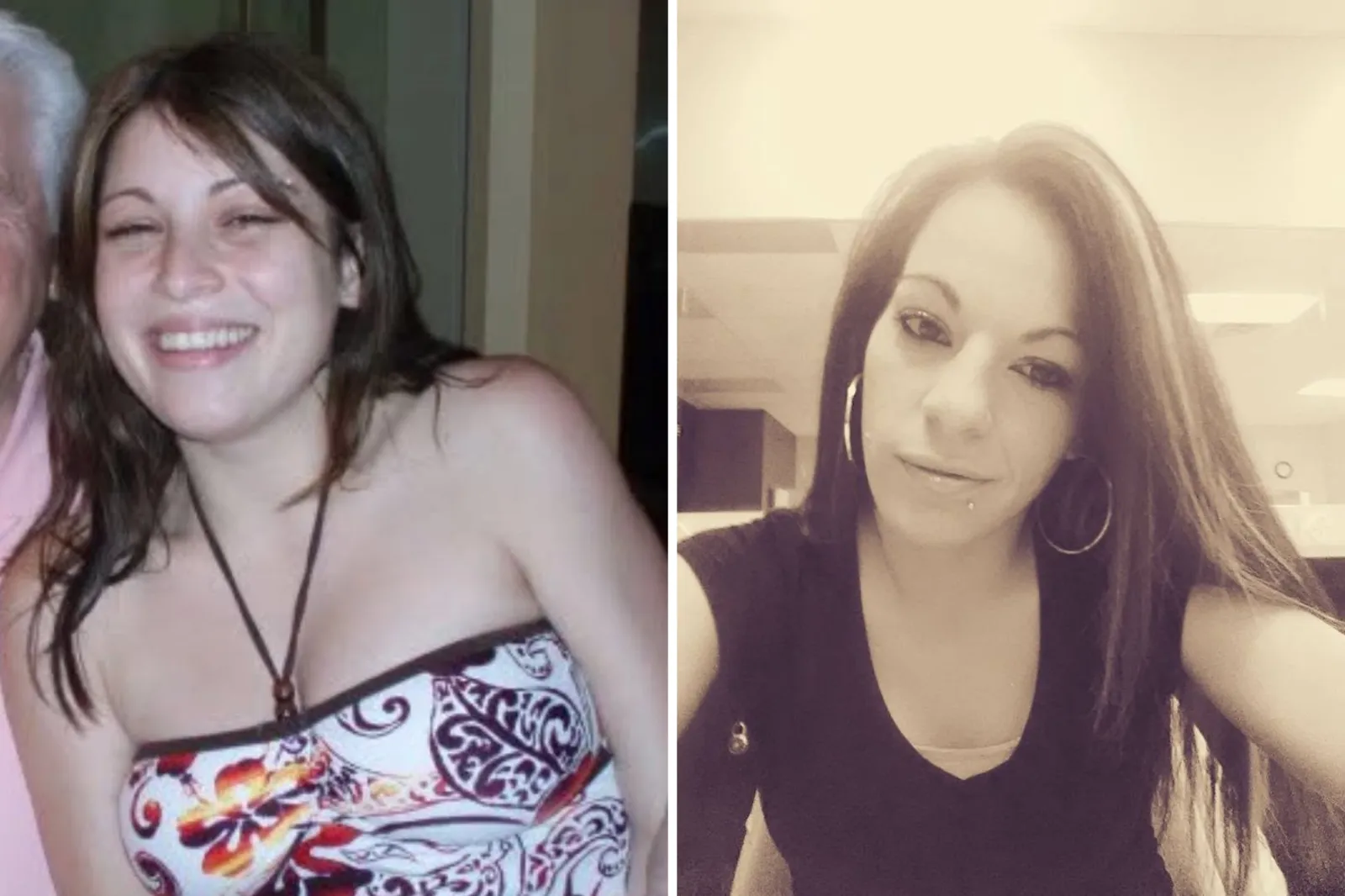
At a news briefing on Wednesday, Philadelphia Police Inspector Ray Evers said a review of digital evidence found images and videos appeared to show two deceased women, Maribel Fresses and Gabriella Amarando. Fresses disappeared in 2018 at the age of 27, and Amarando disappeared in 2012 at the age of 22.
"I’m not going to get into exactly what I saw," Evers said. "It’s real dark. What we saw is these two girls alive; there is a period of time, and what appears to us is that they are deceased."
Evers said more than 95 search warrants have been executed in connection to the residence. Investigators have recovered approximately 600,000 images and 70,000 videos from hard drives inside the home.
Evers said the amount of digital evidence was "astonishing," while describing the investigation as "new territory" for homicide detectives.
"Usually, when we have a homicide investigation, we have a body, we have body parts," he said. "This time we do not."
What We Know About Eugene Horsch
Horsch, 44, was arrested on June 19 after he was found parked illegally in a spot reserved for law enforcement officers near the Independence National Historic Park, which is home to Independence Hall and the Liberty Bell, Philadelphia Deputy Police Commissioner Frank Vanore said at a news conference on June 26.
That vehicle was spotted by a park ranger, who believed that there was a disturbance and decided to investigate.
The park ranger overheard a woman in the back seat of the car say, "You’re going to hurt me!" Then, the ranger said that there appeared to be illegal drug activity ongoing and discovered a Drug Enforcement Administration badge and switchblade. The DEA identification badge was later determined to be fake.
Firearms with "obliterated serial numbers" were also found in the car, per Vanore’s remarks at the June news conference.
The woman in the car produced an ID, which was also determined to be falsified. It had the picture of the woman on it, but not her name. Rather, it was the name of a missing person in Philadelphia.
Law enforcement did not detail those names at the June news conference, but Evers provided the name of the missing woman as Blair Tonzelli during Wednesday's press conference.
Investigators then executed a search warrant at Horsch’s home at 417 West Chew Avenue. The address quickly became a crime scene with more weapons, ammunition and drugs, including evidence of a "grow operation."
Horsch was subsequently charged with weapons and drug-related offenses.
Multiple chemicals were also found in the basement, including in bottles.
Vanore said that "some of these chemicals if they were would be put together and obviously ignited, they could cause some hazards," and said that after the discovery of those chemicals, the FBI came in to support on determining what the chemicals were.
Asked at the news conference if it was possible the chemicals could have been used to make an explosive, Vanore said, "It’s possible. I have no idea."
At the June news conference, Vanore said: "At this point, I just don’t know where it was going to go."
Police have since conducted further searches, including scouring sewers beneath the house.
"We will be transparent in this investigation," Evers told reporters Wednesday, adding that the probe is "very complex" and expected to be lengthy.
"There will be times when we could say we just don’t know, because we just don't know at that time," he added.
What Happens Next
Philadelphia police want anyone who may have been inside the Chew Avenue property to come forward.
"Only a small portion of the digital evidence has been reviewed," police officials told Newsweek in a statement. "Detectives will continue examining the recovered material and conducting additional investigative activity at the property. Given the volume and complexity of the evidence, this process is expected to take considerable time."
Police also urged anyone who believes that a missing loved one may be connected to the residence to contact homicide detectives at (215) 686-3334.
"Our goal is to bring justice to the families," Evers said.
Contact Newsweek editors for this story: Tobias Meyjes and Robert Greenall
View 0 Comments
Submit Correction
View Editorial & AI Guidelines