...

By Lucy Notarantonio
Senior Reporter
0
Share
Newsweek is a Trust Project member
See more of our trusted coverage when you search.Prefer Newsweek on Googleto see more of our trusted coverage when you search.
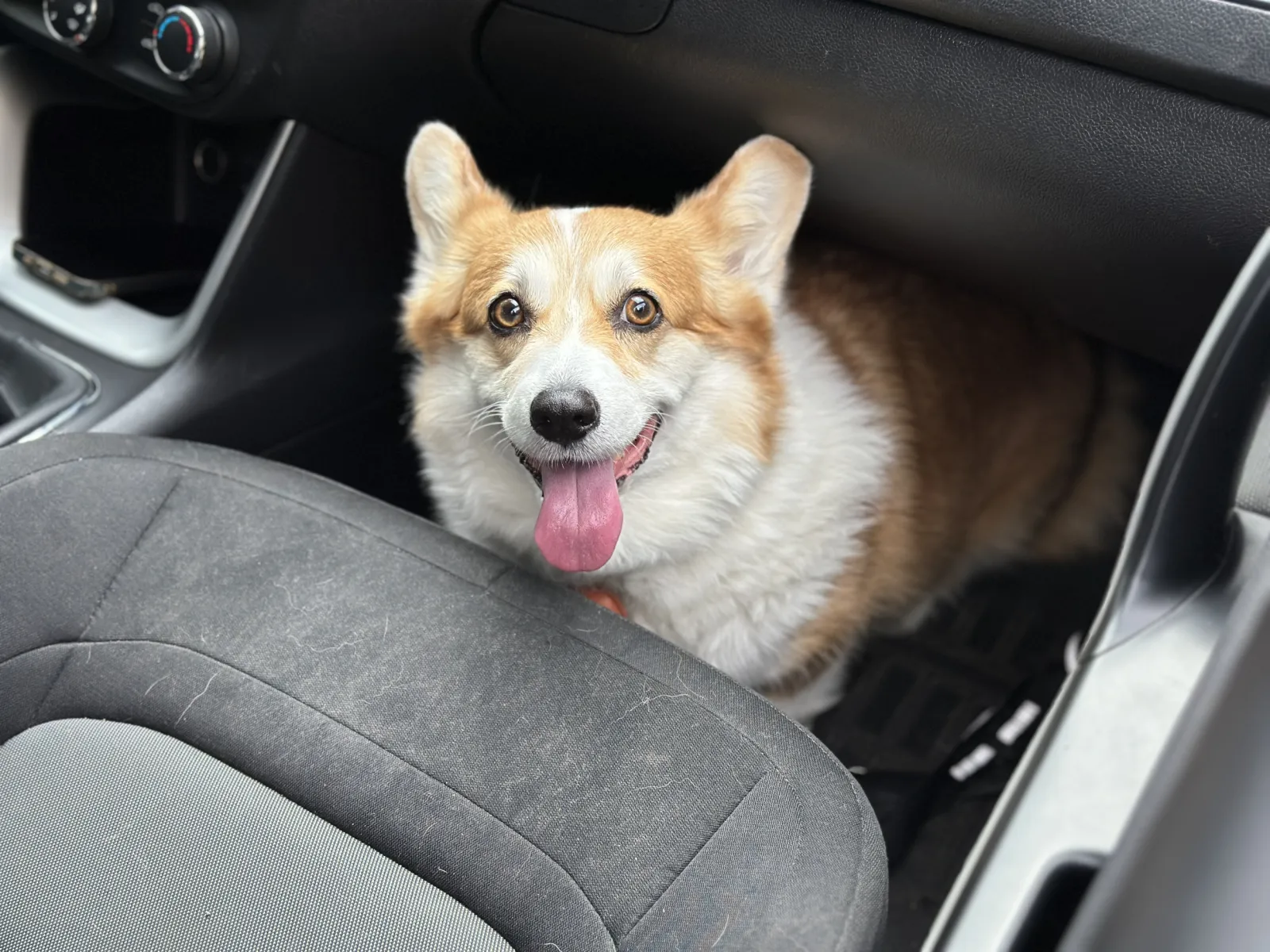
A dog owner wasn't sure if she was hallucinating or not after noticing her corgi turning his head every time she did.
So, she did what anyone else would do. "I recorded to see whether or not it was a coincidence," she wrote on the video.
It turns out it wasn't, and 3-year-old Sammy, based in Florida, was intentionally copying the woman right on cue. The footage shows the woman sitting in the driver's seat in her parked car, and her dog is in the back. Every time she turns her head to the left, the corgi does, too.
Read More on Pets
Newsweek reached out to @lkatlife for comment via TikTok. We could not verify the details of the case.
The February 23 video quickly went viral, garnering more than 782,000 views and over 170,400 likes. However, some commenters wrote that it was more than just playful behavior.
Assess the Dog's Body Language Before Making Assumptions
"He doesn't want to make eye contact with you. It's a sign of dominance. You most likely have yelled at him in the car before, so now he doesn't want to look you in the eyes. Maybe. I don't know though," posted one user.
Newsweek asked Alicia Collins, the founder and CEO of K9 Activity Club, based in Santa Rosa, California, if this is the case.
She said: "Avoiding eye contact is common in dogs and is often a sign of submission or deference. Since direct eye contact can signal dominance or conflict, many dogs naturally look away to show they are not a threat.
"Direct eye contact in dogs can have different meanings depending on the situation. Some breeds, like herding dogs, even use an intense stare to control the movement of livestock," Collins added.
...
Another commenter wrote: "I think he's avoiding eye contact; it's a form of submission/he sees you as his pack leader."
Collins told Newsweek: "This is often true, but it's important to consider the dog's overall body language before making assumptions.
"A relaxed body and wagging tail may indicate respect or deference, while tense posture or stress signals could mean discomfort or anxiety."
Collins said that understanding eye contact in canines requires looking at the full picture—context, body language, and the individual dog's personality all play a role.
Theories From Viewers
Other users wrote in. "I think he just thinks you must see something!" read one comment with more than 18,600 likes. The owner responded: "Yes, he's my shadow and trying to protect."
"As someone with two corgis … I just KNOW they're nosy and want to see what's happening," wrote one user.
Do you have funny and adorable videos or pictures of your pet you want to share? Send them to life@newsweek.com with some details about your best friend, and they could appear in our Pet of the Week lineup.
View 0 Comments
Submit Correction
View Editorial & AI Guidelines