...

By Pandora Dewan
Senior Science Reporter
0
Share
Newsweek is a Trust Project member
See more of our trusted coverage when you search.Prefer Newsweek on Googleto see more of our trusted coverage when you search.
The COVID-19 pandemic changed a lot of things, like how we use cash, how we work, how we learn—and, according to new research, how and when we get sick.
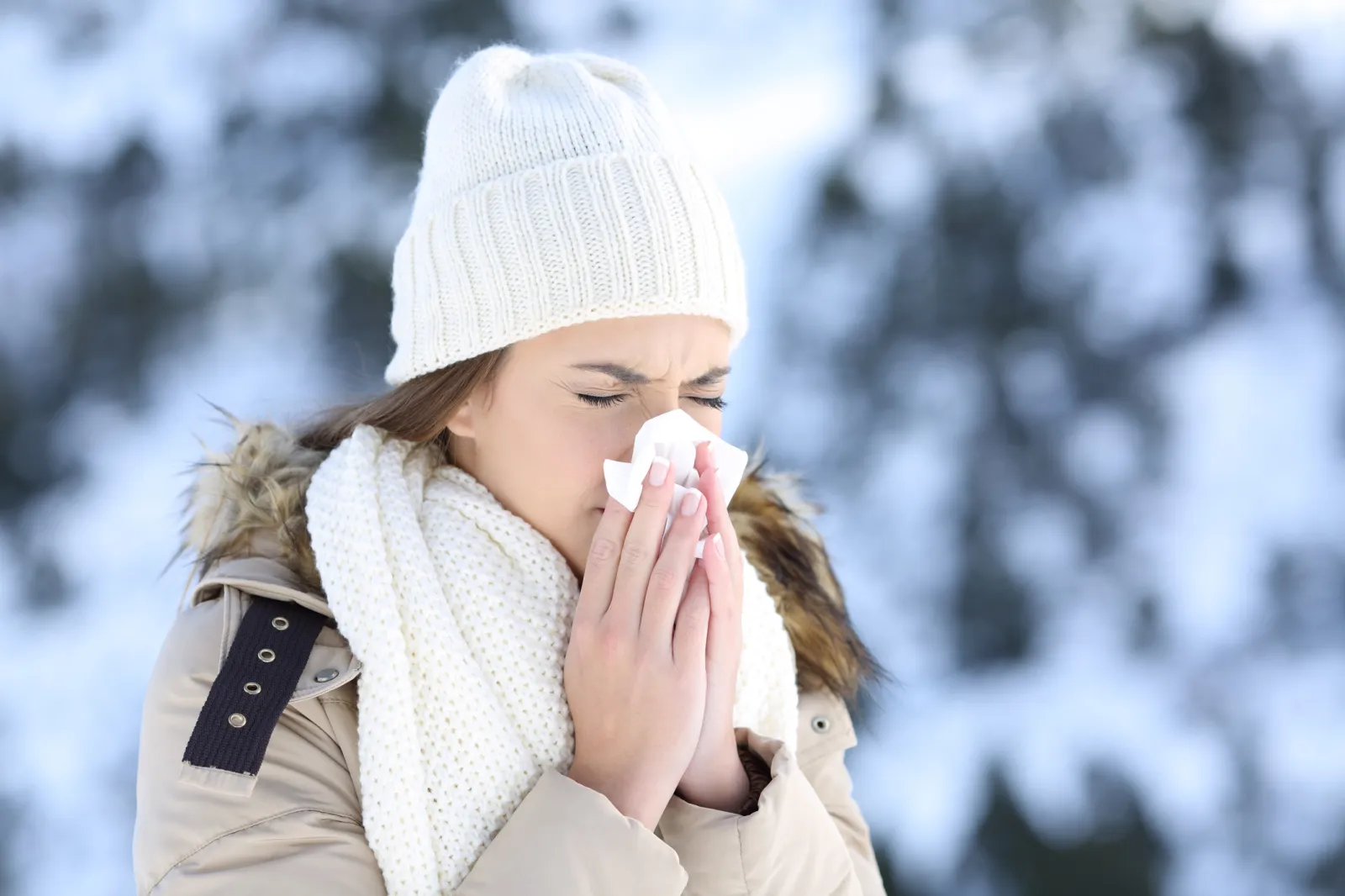
By analyzing disease data from the United States and Canada between 2016 and 2023, researchers from the Laboratory of Instrumentation and Particle Physics in Lisbon, Portugal, found that winter bugs are no longer restricted to the colder seasons.
"Before the pandemic, atmospheric conditions (seasonal variation in temperature and humidity) played the predominant role in explaining the dynamics of all these viruses," co-author Irma Varela-Lasheras said in a statement. "In the pandemic period, it was human mobility that played the main role in explaining viral dynamics, prevailing over the effects of meteorological conditions."
Read More
Two New Coronavirus Lineages Discovered in Bats4 min read

Teenage Girl Left With Paralyzed Vocal Cords From COVID in First-Ever Case3 min read

Chemical Used to Kill Superbug in US Hospitals No More Effective Than Water3 min read

Human mobility refers to things like commuting, lockdowns and school holidays. Lockdowns presented an "excellent opportunity" to investigate the relative importance of mobility and weather conditions in the spread of cold viruses and influenza.
...
From their research, which was published in the scientific journal PLoS One, the team saw that, prior to 2020, the seasonal interplay of these two factors existed in a delicate balance manifesting in a winter surge of respiratory bugs. However, this equilibrium was knocked out of whack by the COVID pandemic, resulting in winter bugs all year long and a change in viral dynamic which the researchers say "may never be the same again."
They found that while seasonal bugs like influenza do have a seasonal capacity, winter is neither necessary nor sufficient for the spread of these viruses.
While summer flu may sound like a minor annoyance, these changing viral dynamics raise serious concerns for public health, potentially leading to unforeseen spikes in viral infections and resulting hospitalizations.
"We clearly need to study more about the biology and dynamics of these viruses, including the potential interactions between them," research lead Joana Gonçalves de Sá said in a statement. "Infections previously thought to be winter seasonal can appear all year round, and this has important consequences for the surveillance of respiratory viruses and for public health in general.
"This ability to infect even when the temperature outside is high has to be framed in a scenario of climate change, which could further disrupt the known viral dynamics."
Is there a health issue that's worrying you? Do you have a question about winter bugs? Let us know via health@newsweek.com. We can ask experts for advice, and your story could be featured on Newsweek.
View 0 Comments
Submit Correction
View Editorial & AI Guidelines