...


By Micah McCartney and Gabe Whisnant
0
Share
Newsweek is a Trust Project member
See more of our trusted coverage when you search.Prefer Newsweek on Googleto see more of our trusted coverage when you search.
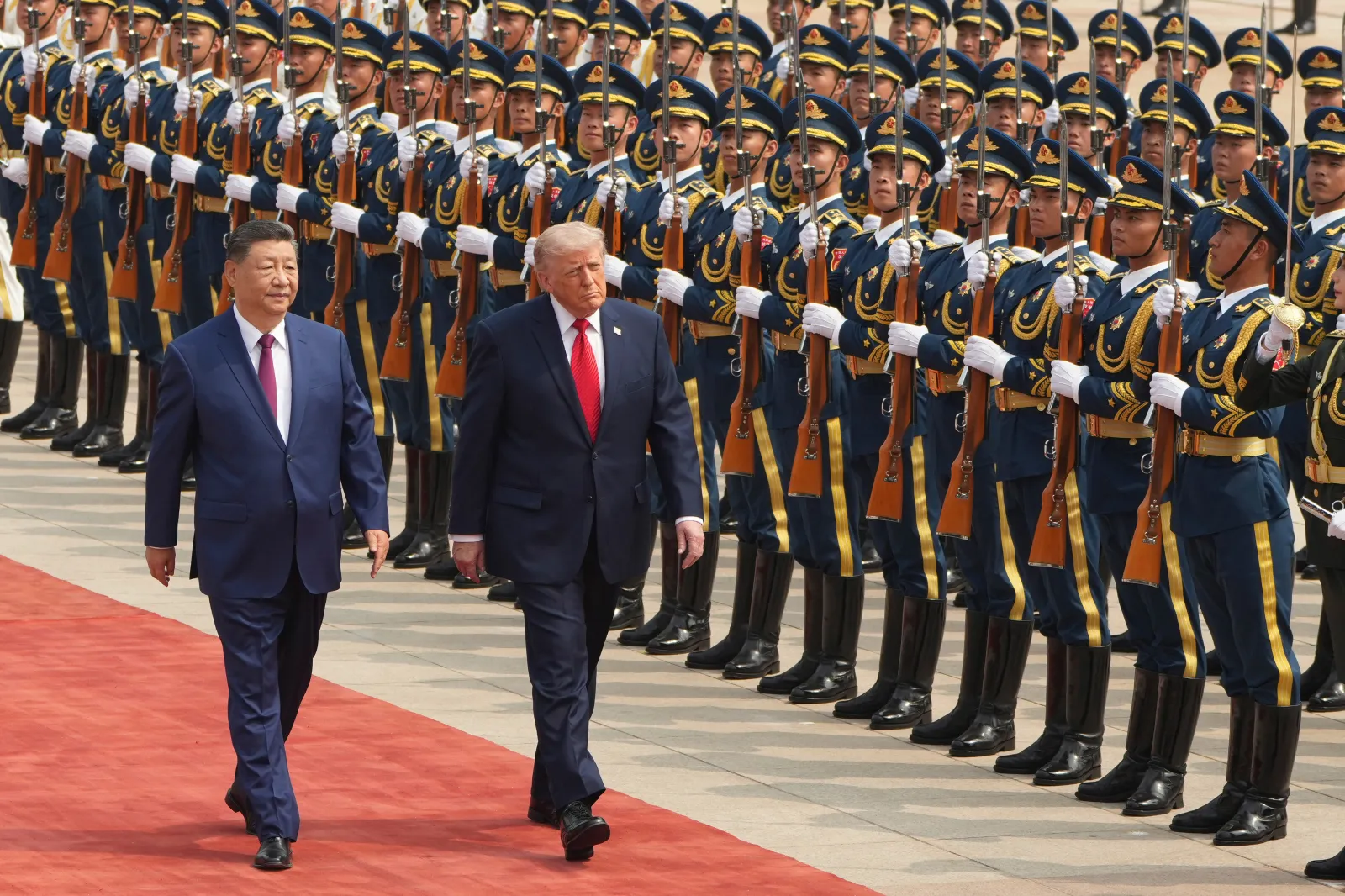
China has responded with cautious optimism to the United States and Iran's agreement to end hostilities more than three months after the U.S.-Israel attacks against the Islamic Republic on February 28.
"China welcomes the U.S. and Iran reaching an agreement on the text of an initial memorandum of understanding," Chinese Foreign Ministry spokesperson Lin Jian told reporters during a regular press briefing in Beijing on Monday.
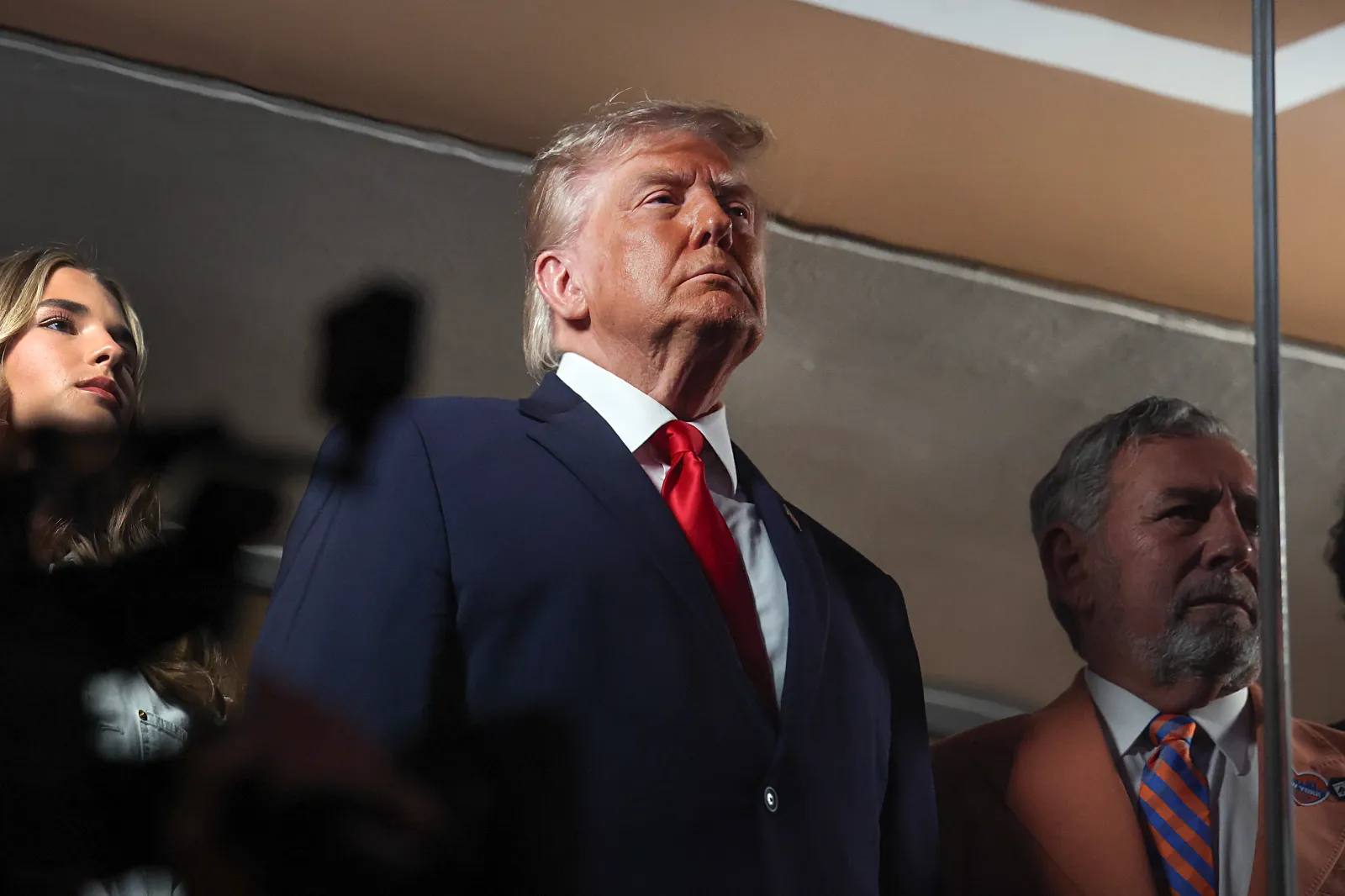
President Donald Trump on Sunday hailed a "great deal" with Iran in on Truth Social post in which he declared the Strait of Hormuz reopened.
Read More
US and Iran Reach Deal to End War5 min read

Every Time Trump Has Threatened–and Then Cancelled–Iran Strikes7 min read

How Long Can China Survive Iran War With Its Saved Up Oil?7 min read

"Congratulations to all! I hereby fully authorize the toll free opening of the Strait of Hormuz, and, simultaneously herewith, authorize the immediate removal of the United States Naval blockade. Ships of the World, start your engines. Let the oil flow!" Trump said.
Iran's state-owned Mehr news agency said the MOU would lead to the unfreezing of Iranian assets and joint Iranian and Omani administration of the strait, among other items, although some details have been disputed by the U.S. side.

...
Why This Matters
China’s reaction carries weight because Beijing is one of Iran’s most important economic and diplomatic partners—and a key global power with leverage over both Tehran and Washington. China is the largest buyer of Iranian oil and a crucial lifeline for Iran’s sanctions-hit economy, giving it influence over Tehran’s ability to sustain or step back from conflict.
At the same time, China has positioned itself as a self-styled broker of stability in the Middle East, previously backing ceasefire efforts and maintaining ties across the region. Its response signals how far Beijing is willing to go in supporting diplomacy versus challenging U.S. leadership in a major global crisis.
In its first reaction to the deal, China struck a cautious tone—welcoming the agreement and urging all sides to stay committed to dialogue and a peaceful resolution.
"We hope the document will be signed as planned and all relevant parties will stay committed to peaceful solutions and resolve issues through dialogue and negotiation," Lin said Monday.
That measured language is notable because Beijing has largely avoided direct involvement in the fighting, instead emphasizing de-escalation while protecting its own economic and strategic interests.
What happens next could hinge in part on China’s posture: whether it uses its economic leverage to encourage Iranian compliance, continues acting as a quiet diplomatic backstop, or uses the post-war landscape to expand its influence as U.S. focus remains tied to the region.
...
Foreign Ministry Praises Go-Between Pakistan
Pakistani President Shehbaz Sharif, whose government was one of the mediators of the April 8 ceasefire and continued to facilitate talks between the U.S. and Iran, thanked both sides for "commitment to finding a diplomatic solution."
Sharif said talks would continue ahead of an official signing ceremony in Switzerland on Friday.
Lin, the Chinese Foreign Ministry spokesperson, commended Pakistan's mediation efforts.
"Since day one of the fighting, China has been working tirelessly for peace," Lin said.
China will continue to play an active role in these efforts in the spirit of the four-point roadmap for deescalation proposed by President Xi Jinping in mid-April, Lin added.
China, which maintains close diplomatic ties with Iran and Pakistan, played a behind-the-scenes role in the April ceasefire, according to Sharif and Trump, though there is no public evidence Beijing helped broker the new tentative deal.
Where Would Deal Leave China?
If the agreement holds, China will have avoided the worst-case scenario, Eva Seiwert, a senior analyst at the Berlin-based Mercator Institute for China Studies (MERICS), told Newsweek.
China sources roughly 40 percent of its oil and about one-third of its liquefied natural gas from the Middle East. While its diversified energy mix and large strategic petroleum reserves have provided a cushion that many other Strait of Hormuz-dependent economies lack, a prolonged disruption would eventually have forced Beijing to draw on those stockpiles.
"Beijing emerges without a major economic shock, although the crisis has underscored China's continued vulnerabilities in energy security," Seiwert said.
On the diplomatic front, officials have used the conflict to reinforce China's image as a responsible major power that supports dialogue and international law, contrasting it with what they portray as a more unpredictable and coercive U.S.
"Amid widespread criticism of U.S. policy and perceptions of Western double standards, particularly in parts of the Global South, these narratives are likely to find a receptive audience," Seiwert said.
Agreement Appeared in Doubt Sunday
The tentative U.S.-Iran agreement appeared in doubt earlier on Sunday after Israel bombed the suburbs of Beirut in the Lebanese capital, drawing an exasperated response from Trump, who said the attack "should not have happened."
Newsweek has reached out by email to the White House and the Iranian and Israeli foreign ministries for comment.
While there were early signs of commercial vessel movement near the strait, nearly 600 vessels remained trapped in the Persian Gulf on Monday, according to the commodities analytics firm Kpler. More than half were laden with product, it said.
Shipping in the strait has been at a standstill since the start of the war with Iran, causing a surge in global energy costs. Vessel activity and commodities prices may not return to prewar levels for the rest of the year, according to the International Energy Agency.
Analysis in early March by the Center for Strategic and International Studies estimated that at least 55 Chinese-flagged ships were stuck in the Gulf, despite reports of Chinese-linked vessels exiting the strait in single digits.
Resumed shipping through the strait is in the interests of the entire gulf region and the international community, Lin told reporters: "We hope that this strait can resume opening as soon as possible and we will maintain communication with relevant parties."
Nuclear Dispute
At the heart of the negotiations is Iran’s nuclear energy program, which includes nearly 1,000 pounds of uranium enriched to about 60 percent, which—if enriched further—could in theory produce several nuclear weapons, according to international nuclear monitoring assessments.
While the details of the agreement have not yet been released, Washington and Tehran have since April remained divided over key sticking points.
A senior Iranian official told Reuters the final draft of the agreement includes Tehran's pledge not to produce or acquire nuclear weapons—an assertion Iran has consistently made in the past. Iran would maintain its current nuclear program but refrain from expanding it or additional enrichment.
The U.S. had agreed not to impose new sanctions until the final deal is signed, according to the official.
In the meantime, Washington has agreed to release $25 billion in frozen Iranian assets and waive sanctions on Iran's oil and permit the country to resume exports of its crude, the official said. The U.S and the United Nations would lift their sanctions on Iranian oil, under an agreed-upon timetable, after the final agreement is reached.
The U.S. and its allies in the region would also draw up a reconstruction plan to be negotiated with Iran within 60 days, the source said.
Iran maintains its nuclear program is strictly peaceful and denies any intent to develop nuclear weapons.
Israel Vows to Continue Lebanon Campaign
A major sticking point has been the ongoing conflict involving Israel and Hezbollah in Lebanon, which Iranian officials say must be resolved before any broader regional agreement can hold.
Israel has continued military operations in Lebanon, saying they are aimed at Hezbollah positions following cross-border attacks, including drone and projectile launches toward northern Israeli communities.
“Israel will not tolerate fire into its territory,” Prime Minister Benjamin Netanyahu said in a statement following recent strikes on Beirut’s southern suburbs.
More than 1 million people in Lebanon—roughly one-fifth of the population—have been displaced since the escalation of hostilities began, the U.N. estimates.
View 0 Comments
Submit Correction
View Editorial & AI Guidelines