...
0
Share
Newsweek is a Trust Project member
See more of our trusted coverage when you search.Prefer Newsweek on Googleto see more of our trusted coverage when you search.
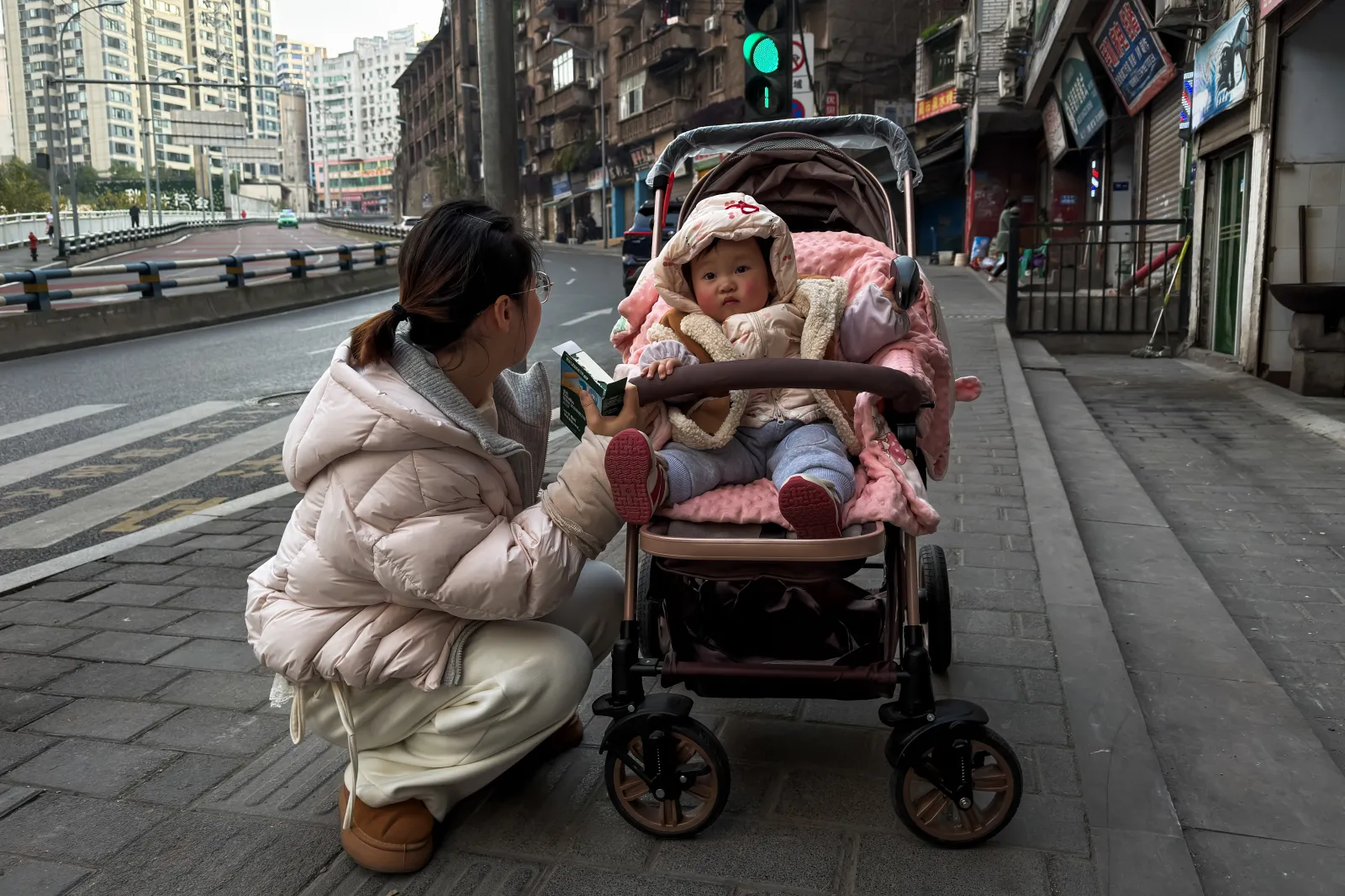
China registered just 7.92 million births in 2025, the lowest point since authorities began keeping records, according to data released Monday by the country's National Statistics Bureau.
Why It Matters
China’s birth rate is among the lowest in the world, driven by rising living costs, a grueling work culture, and evolving attitudes among younger generations who increasingly prioritize personal time and self‑care. The trend, combined with a record wave of retirees, threatens to drag on the world’s second‑largest economy in the years ahead.
Read More on World
The report suggests the pro‑natal policies rolled out by the central and local governments have so far had little effect and marks a return to the country's seven‑year decline. Last year's modest uptick was widely attributed to the auspicious Year of the Dragon and the effects of China's post‑pandemic reopening.
Newsweek has contacted China's National Health Commission for comment via email.
What To Know
China's birth rate reached 5.63 per 1,000 people at the end of last year—down from the previous record low of 6.39 in 2023 and a little under half the 11.99 birth rate recorded in 2015—the year authorities ended the decades‑old One‑Child Policy.
China recorded more deaths than births for the fourth consecutive year, for a natural growth rate of -2.41 per 1,000. At the end of last year, the population stood at 1.404 billion, according to the report. It covers 31 provinces, direct-administered municipalities, and autonomous regions but excluded Hong Kong, Macao, and the China-claimed but self-ruled island of Taiwan.
Chinese policymakers, increasingly worried about the long‑term economic fallout, rolled out a range of incentives last year.
Measures included full coverage of childbirth‑related medical expenses, preschool tuition waivers, and an annual cash allowance of 3,600 yuan (about $500) for each child born on or after January 1, 2025 until they reach the age of 3. Yet many experts warn the window to reverse China’s demographic slide has nearly closed.
...
What People Are Saying
Yi Fuxian, an obstetrician at the University of Wisconsin-Madison who conducts demography research, stated during an interview with the Financial Times: "The decline in China’s fertility is inevitable, like a giant rock rolling down a hill. China’s one-child policy accelerated the process. It will be very difficult to move it back up hill."
What Happens Next
It remains unclear whether the pro‑natal policies introduced last year will meaningfully influence Chinese couples’ decisions to have more children.
According to the statistics bureau report, 223.65 million people in China are now aged 65 and over, accounting for 15.9 percent of the population. China is steadily moving toward the ranks of Japan, South Korea, and Taiwan as what the United Nations defines as a "super‑aged" society, where 20 percent or more of the population is 65 or older.
Update, 01/19/26 06:24 a.m. ET: The article has been updated with more information.
View 0 Comments
Submit Correction
View Editorial & AI Guidelines