...

By Brendan Cole
Senior Reporter
0
Share
Newsweek is a Trust Project member
See more of our trusted coverage when you search.Prefer Newsweek on Googleto see more of our trusted coverage when you search.
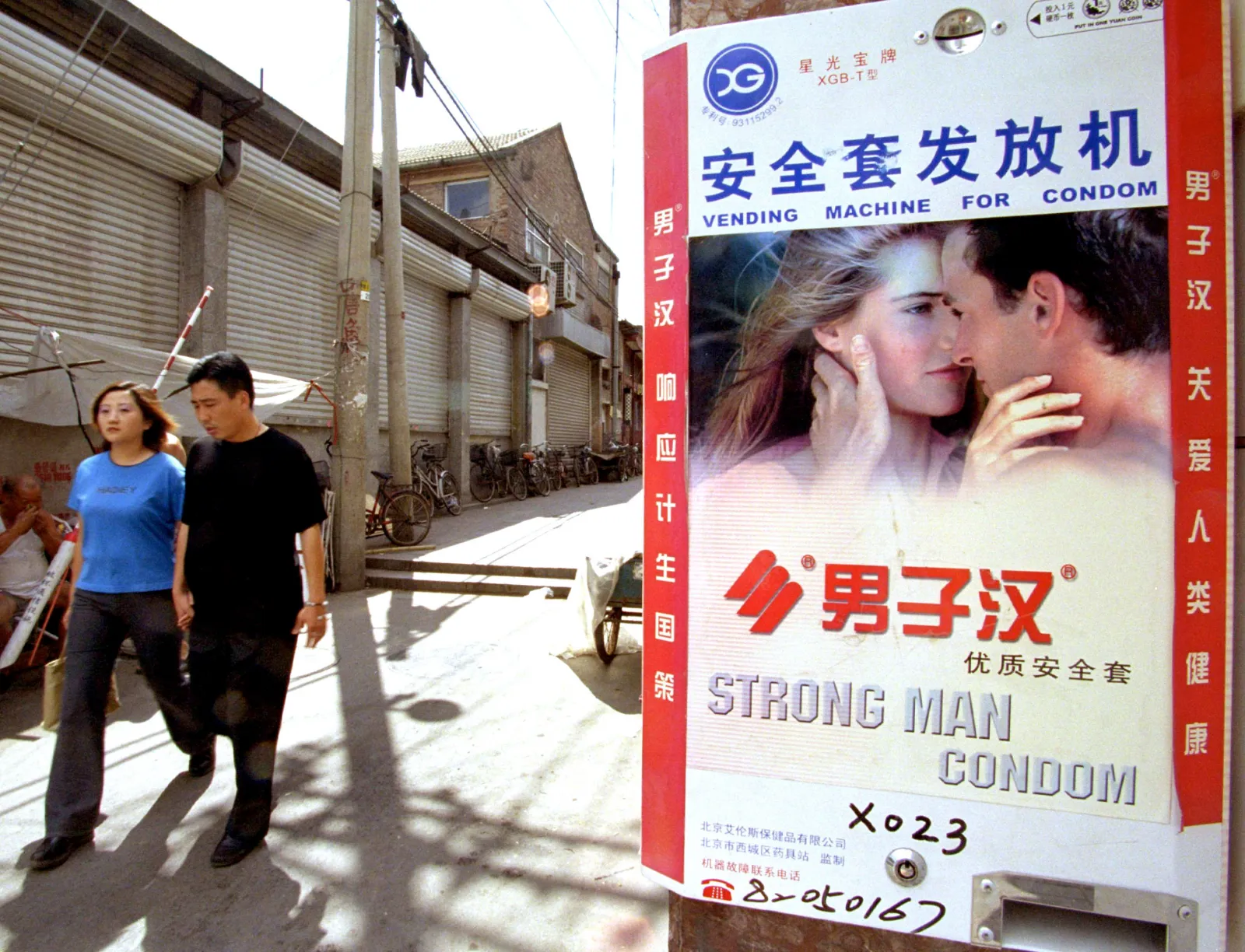
China's government is imposing a value-added tax (VAT) on contraception as part of a policy to reverse the country's declining birth rates, according to reports.
Under the plan, citizens would pay a 13 percent levy on contraceptive drugs and devices for the first time 1993, Bloomberg reported.
The government seeks to reverse a population decline that has occurred for three consecutive years.
Read More on News
Newsweek has contacted the Chinese Foreign Ministry for comment.

...
Why It Matters
In 2024, China—which has a population of 1.42 billion—registered 9.54 million births, about half of the 18.8 million births registered almost a decade ago, when the country's one-child policy was lifted.
While China once took pains to ensure couples had only one child, the move to make contraception more expensive is part of a policy pivot to counter the economic cost of a dwindling and aging population.
What To Know
Under the newly revised Value-Added Tax Law, people in China must pay a 13 percent levy on contraceptive drugs and devices—including condoms—beginning on January 1, 2026. These items had been VAT-exempt since 1993, when the country actively promoted birth control while enforcing its strict one-child policy.
New incentives for prospective parents set to take effect in January include exempting tax from child care services, elder care institutions, disability service providers and marriage-related services.
Faced with an aging and declining population, Beijing has offered cash handouts, improved child care services and extended paternity and maternity leave.
There are also new rules to reduce abortions that are not deemed "medically necessary," a reversal of the country's coercive reproductive controls during the one-child era.
He Yafu, a demographer with the YuWa Population Research Institute in Beijing, said the measures were unlikely to have much of an effect, though they reflect an effort to shape a social environment that encourages childbirth and reduces abortions.
The extra cost for contraception has sparked debate on the Chinese microblogging site Weibo about whether the move may lead to a rise in sexually transmitted diseases. Users also discussed whether it would change attitudes toward childbearing.
Data by YuWa found that raising a child through age 18 in China costs over 538,000 yuan ($76,000), which may put off many young adults amid a slowing economy and unstable job market, Bloomberg reported.
What People Are Saying
He Yafu, a demographer with the YuWa Population Research Institute, said, per Bloomberg: "Removing the VAT exemption is largely symbolic and unlikely to have much impact on the bigger picture."
What Happens Next
The policy is set to take effect on New Year's Day, and Shenzhen Daily reported that with the price increases for contraception, sellers will be required to issue VAT invoices. Other pronatalist policies include payments for parents, better child care services and more parental leave.
View 0 Comments
Submit Correction
View Editorial & AI Guidelines