...

By Micah McCartney
Reporter
0
Share
Newsweek is a Trust Project member
See more of our trusted coverage when you search.Prefer Newsweek on Googleto see more of our trusted coverage when you search.
Beijing renewed grievances with Washington on Friday over what it described as systemic bias against Chinese scientists, following the reported suicide of a postdoctoral researcher living in the United States.
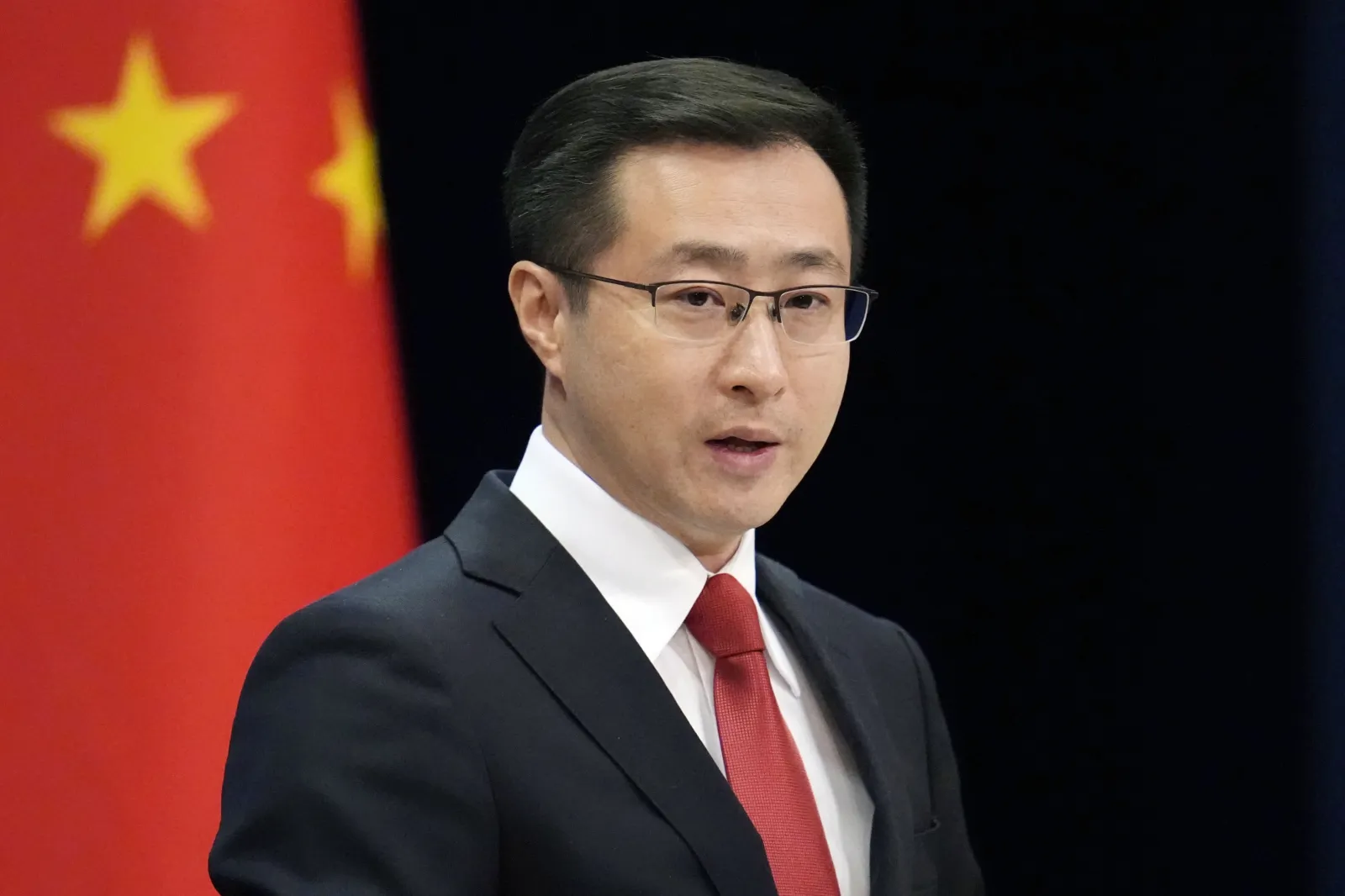
During the Chinese Foreign Ministry's regular press conference, spokesperson Lin Jian responded to a query about the researcher, who state media said had died one day after being interrogated by U.S. law enforcement.
“We are deeply saddened by this tragedy and have made solemn representations to the United States,” Lin said. He added that Chinese diplomatic missions had been in contact with the family of the deceased and were assisting with follow‑up arrangements.
Read More on World
The official did not disclose further details about the individual or the U.S. agency said to have questioned them.
China's Embassy in the U.S. told Newsweek it was not yet familiar with the case.
...
"For some time now, the U.S. side has broadened the concept of 'national security' for political purposes, subjecting Chinese students and scholars to unwarranted questioning and harassment," he stated. "Such actions infringe upon the legitimate and lawful rights and interests of Chinese citizens, undermine the normal atmosphere of people‑to‑people exchanges between China and the United States, and have created a serious chilling effect.”
Lin demanded that the U.S. carry out an investigation into the case and stop discriminatory law enforcement targeting Chinese scholars and students.
Newsweek reached out by email to the U.S. Justice and State Departments with requests for comment.
Chinese officials have repeatedly accused Washington of anti-Chinese prejudice since President Donald Trump’s first term, particularly after the Justice Department launched the China Initiative in 2018.
The program aimed to counter economic espionage and intellectual property theft linked to China. However, public court records and subsequent reviews by journalists and advocacy groups found many cases instead centered on alleged failures to disclose foreign affiliations or funding on grant applications rather than spying on behalf of Beijing.
Trump administration officials defended the initiative as necessary to protect U.S. research and national security, arguing that Beijing was exploiting academic openness to access advanced technology. Yet advocacy groups and critics in academia said that the initiative fueled racial profiling and damaged the U.S.'s reputation as a destination for scientific talent.
The initiative was wound down by former President Joe Biden in 2022. An effort by congressional Republicans to revive it stalled after stiff opposition from Asian American advocacy groups and their allies.
Update 4:27 a.m. 3/30/26 E.T. This article has been updated with a comment from the Chinese Embassy.
In a polarized era, the center is dismissed as bland. At Newsweek, ours is different: The Courageous Center—it's not "both sides," it's sharp, challenging and alive with ideas. We follow facts, not factions. If that sounds like the kind of journalism you want to see thrive, we need you.
When you become a Newsweek Member, you support a mission to keep the center strong and vibrant. Members enjoy: Ad-free browsing, exclusive content and editor conversations. Help keep the center courageous. Join today.


View 0 Comments
Submit Correction
View Editorial & AI Guidelines