...

By Micah McCartney
Reporter
0
Share
Newsweek is a Trust Project member
See more of our trusted coverage when you search.Prefer Newsweek on Googleto see more of our trusted coverage when you search.
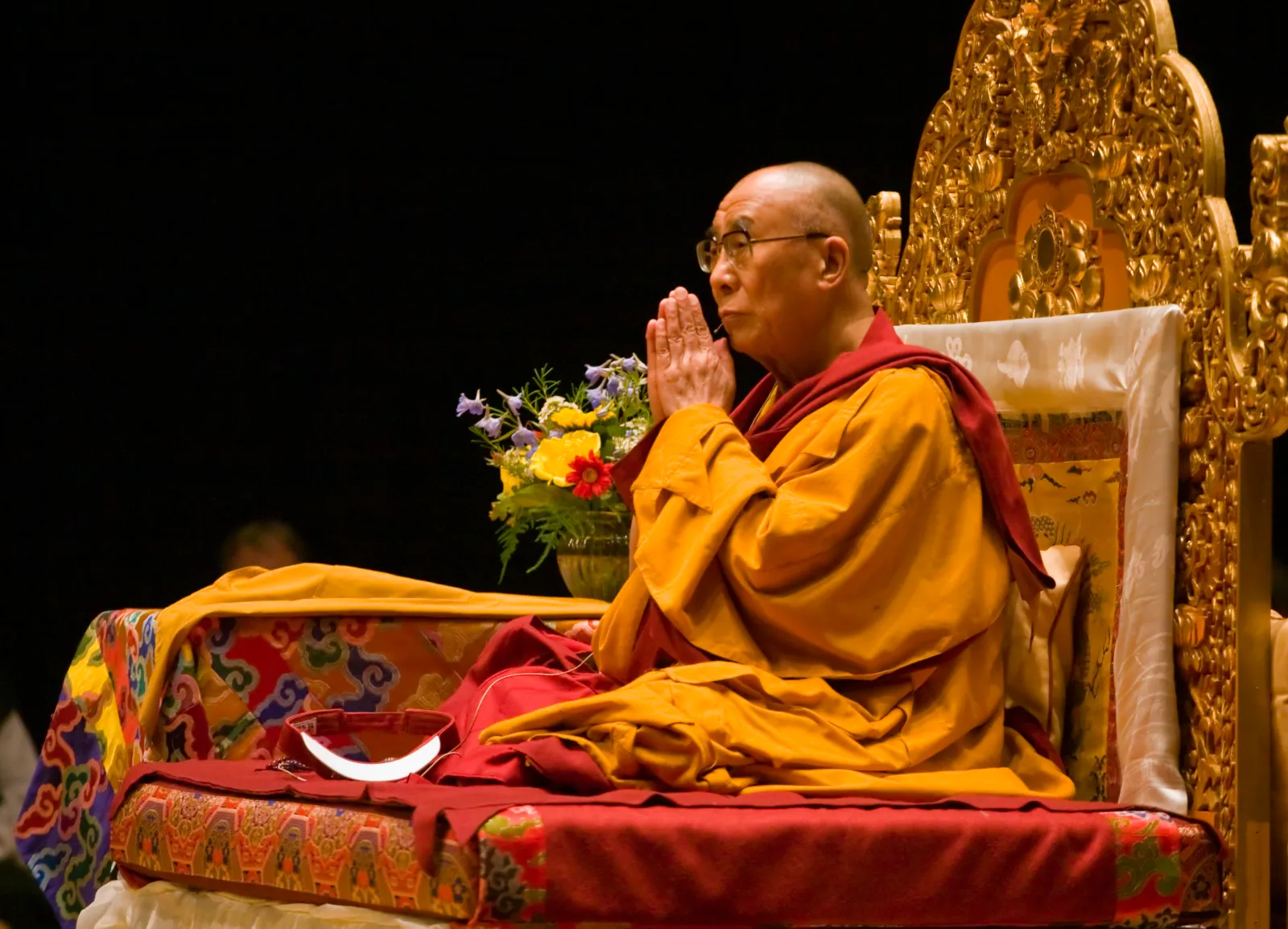
The Chinese Foreign Ministry issued a sharp protest after the Dalai Lama won a Grammy award for best audiobook on Sunday, accusing the 68th Grammy Awards of using the accolade for "anti-China political maneuvering."
Why It Matters
The Dalai Lama, 90, has gained renown as an advocate of a nonviolent resolution to Tibet’s status and has frequently drawn Beijing’s ire as a critic of China’s strict controls in the region, which he and Tibetan activists have said amount to cultural genocide.
Read More on World
Newsweek reached out to the National Academy of Recording Arts and Sciences and to the office of the Dalai Lama via emailed requests for comment.
...
What To Know
The Tibetan Buddhist spiritual leader was awarded the Grammy for Best Audiobook, Narration, & Storytelling Recording for Meditations: The Reflections of His Holiness the Dalai Lama, a 10-track collection of musings on topics spanning the importance of community to climate change. "His wisdom is at the heart of this work," said Canadian-American singer and songwriter Rufus Wainwright who accepted the award on behalf of the Dalai Lama.
China firmly opposes the Grammy organizers for using the award to push "anti-China political maneuvering," Chinese Foreign Ministry spokesperson Lin Jian told reporters Monday.
"As is widely known, the 14th Dalai Lama is not a purely religious figure. Rather, he is a political exile committed to anti-China separatist activities under the guise of religion," Lin stated.
The Tibet question and Lin's response were omitted from the Foreign Ministry's readout of the press briefing.
The People’s Republic of China forcibly annexed Tibet, then a de facto autonomous state, in the early 1950s. Chinese officials described the takeover as a "peaceful liberation" from its theocratic government. The Dalai Lama served as Tibet’s spiritual and political leader from 1940 until 1959, when he went into exile in India following China's bloody suppression of an uprising in the capital, Lhasa.
What People Are Saying
The Dalai Lama said in a statement on his website: "I receive this recognition with gratitude and humility. I don’t see it as something personal, but as a recognition of our shared universal responsibility.
"I truly believe that peace, compassion, care for our environment, and an understanding of the oneness of humanity are essential for the collective well-being of all 8 billion human beings. I’m grateful that this Grammy recognition can help spread these messages more widely."
What Happens Next
China has said it intends to select the Dalai Lama’s successor after his death, effectively bypassing the traditional Tibetan process for identifying a reincarnation. This plan is opposed by several countries, including the United States, which view it as interference in Tibetan religious and cultural affairs.
View 0 Comments
Submit Correction
View Editorial & AI Guidelines