...

By Dan Gooding and Billal Rahman
0
Share
Newsweek is a Trust Project member
See more of our trusted coverage when you search.Prefer Newsweek on Googleto see more of our trusted coverage when you search.
A refugee’s death in New York was ruled a homicide this week, but a legal expert has said it may be difficult to see charges filed against the law enforcement officers who last saw him, from the U.S. Border Patrol.
Nurul Amin Shah Alam, a 56-year-old nearly blind refugee from Myanmar, died in February after being left at a doughnut shop by U.S. Customs and Border Protection (CBP) officers. His body was found days later in downtown Buffalo.
On Wednesday, the Erie County Medical Examiner’s Office ruled Shah Alam's death a homicide, caused by complications of a perforated duodenal ulcer, precipitated by hypothermia and dehydration.
Read More on News
The Department of Homeland Security (DHS), which oversees the Border Patrol, has insisted officers left Shah Alam in a safe place and he showed no signs of medical distress, but New York officials have called for accountability.
Bennett Gershman, a law professor at Pace University, told Newsweek that it was “premature to speculate” on any charges being brought.
“To me, it seems that it would be extremely difficult to bring homicide charges against federal Border Patrol agents, or anyone else. It’s also unclear whether civil or administrative actions ate possible,” Gershman said.
What Happened to Nurul Amin Shah Alam?
...
Shah Alam had been released from a county jail and then briefly detained by Border Patrol until the agency determined he was not eligible for deportation. He was reported missing on February 22 and found dead two days later.
The agency said they chose to drop him off at the doughnut shop because it was safe, warm and near his last address. Buffalo Mayor Sean Ryan, however, has said the restaurant was closed at the time.
Shah Alam is a member of the Rohingya ethnic minority, who are viewed as a persecuted group denied rights in Myanmar. The organization Human Rights Watch said they are "effectively denied citizenship" and are "one of the largest stateless populations in the world."
Having left Myanmar years ago to work in construction in Malaysia, he received approval to come to the U.S. as a refugee in December 2024 with his wife and two children.
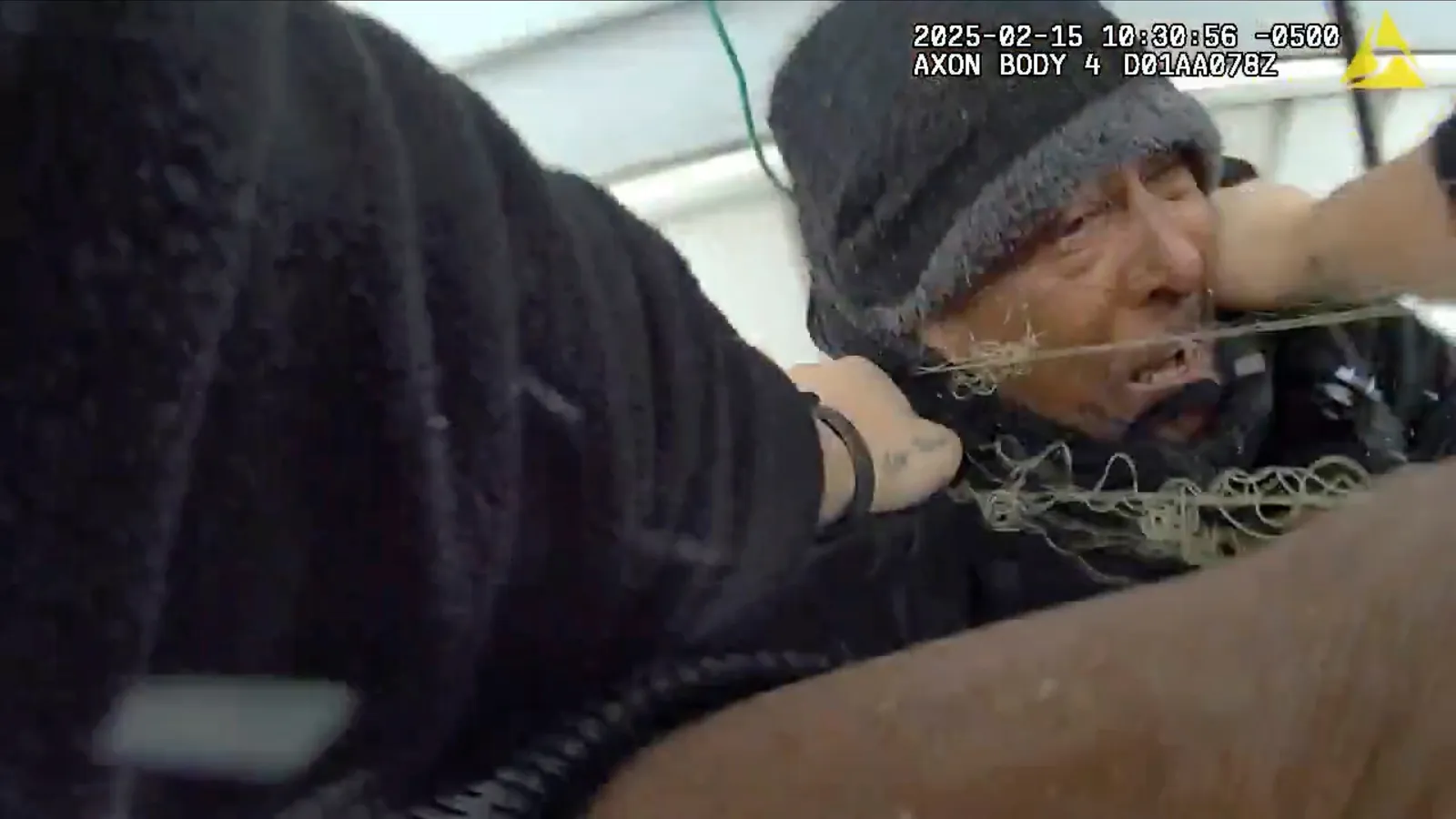
Shah Alam spent about a year in jail on felony assault charges after a 2025 struggle with police, who accused him of biting two officers. Advocates for his family said he did not understand officers' commands to drop curtain rods he was carrying. He pleaded guilty to misdemeanor charges and was released on February 19.
Shah Alam's Death: Calls For Investigation
Border Patrol agents took Shah Alam from the Erie County Holding Center following his release on bail that day, and he was left at a Tim Hortons café about 5 miles from his home in the city’s Broadway-Fillmore neighborhood without his family or lawyer being notified, his attorney, Benjamin Macaluso, said in February.
“The homicide determination was based on complications from Shal Alam’s medical condition, including dehydration and hypothermia,” Gershman said. “But the medical determination as to the cause of death, and whether any person or persons were responsible for his death, does not appear to be specific enough to assign blame to anyone.
“In other words, Shah Alam’s death is not fully explained. There are key facts missing as to exactly how he died,” the professor added.
New York’s Democratic Governor Kathy Hochul took to X Wednesday evening, saying that she and Shah Alam’s family needed answers.
“Last month I mourned with his widow and two of his children, including his distraught 11-year-old son, and I shared my deepest condolences from one Buffalo mother to another,” Hochul said in a video message. “As the details emerge, I want to be crystal clear: every individual involved in the death of Mr. Shah Alam must be held fully accountable.”
Hochul said she had spoken to Erie County District Attorney Mike Keane, who also issued a statement Wednesday night stating his office would review the medical examiner’s report and other evidence. Keane said the investigation needed to be thorough and impartial.
“While I recognize the demand for answers sought by Mr. Shah Alam’s family and our community, it would be inappropriate to comment on the specifics of the autopsy report or the status of any investigation,” he said. “I appreciate the public’s interest in this case and their continued patience while our review remains ongoing.”
Gershman told Newsweek that Shah Alam’s case differed from other high-profile deaths linked to federal agents because there was no video evidence or record of what had happened between the Border Patrol drop-off and his body being discovered.
“In sum, without further investigation, and given the context of the many unknown facts, we can only speculate on potential criminal, civil, and administrative actions,” he said.
For now, the Border Patrol and DHS remain clear that they do not believe agents did anything wrong regarding Shah Alam. In a statement shared with Newsweek on Thursday, a CBP spokesperson said the story was “another hoax” by the media and sanctuary politicians.
“This death had NOTHING to do with Border Patrol. Mr. Shah Alam passed almost A WEEK AFTER he was released by Border Patrol — he also had a serial violent criminal rap sheet,” the spokesperson said. “Mr. Shah Alam’s criminal history included charges for assaulting a first responder with intent to cause injury, criminal possession of a weapon, menacing with a weapon, resisting arrest, criminal trespass, and obstructing governmental administration.”
View 0 Comments
Submit Correction
View Editorial & AI Guidelines