
...

By Gabe Whisnant
News Editor
0
Share
Newsweek is a Trust Project member
See more of our trusted coverage when you search.Prefer Newsweek on Googleto see more of our trusted coverage when you search.
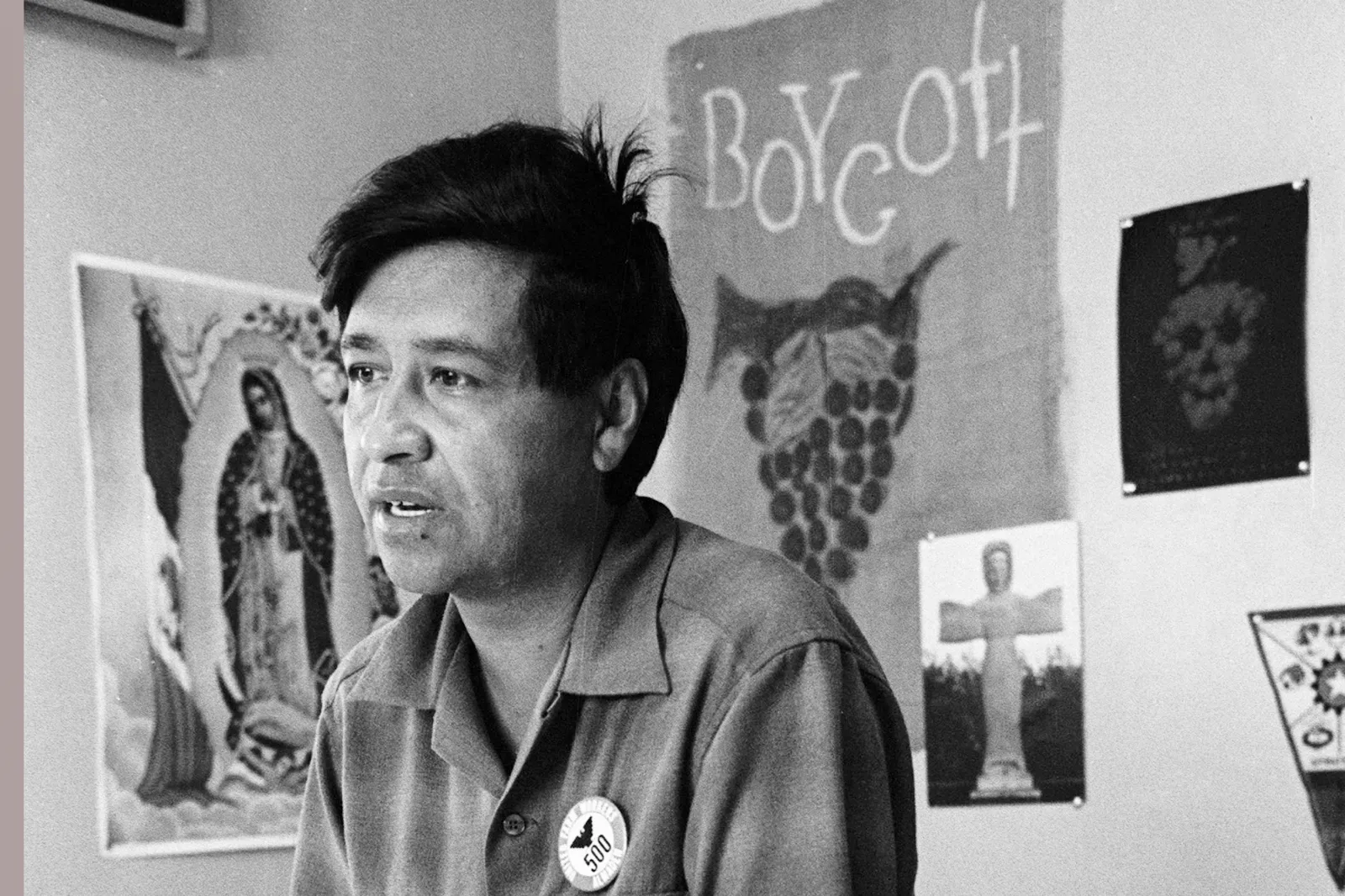
Allegations of sexual abuse involving the late labor leader Cesar Chavez, a towering figure in the farmworker and civil rights movements, have emerged following a detailed investigation published by The New York Times. Chavez, who co‑founded the United Farm Workers (UFW) and died in 1993, has long been honored with schools, streets and an annual commemorative holiday bearing his name.
The Times investigation reports accounts from women who say Chavez sexually abused them in California during the 1960s and 1970s, when he held power within the farmworker movement. Summaries of the reporting by multiple outlets say some of the alleged abuse occurred in California’s Central Valley, including Delano, where Chavez was based while leading what became the UFW. One account places an alleged assault in a secluded grape field near Delano in the mid‑1960s, while other alleged abuse is described as occurring over several years during the 1970s.
...
Read More on News
In response, the United Farm Workers acknowledged what it described as “deeply troubling allegations” against its co‑founder. In a statement, the union said the alleged behavior would be incompatible with its values and announced it would not participate in Cesar Chavez Day events this year. The UFW said it has not received direct reports or firsthand knowledge of the allegations but considers them serious enough to warrant immediate action, including the creation of a confidential, trauma‑informed channel for people who may have been harmed to come forward.
The Cesar Chavez Foundation, which preserves Chavez’s legacy and historic sites, also issued a statement saying it had become aware of “disturbing allegations” involving inappropriate sexual behavior with women and minors during Chavez’s time as president of the UFW. The foundation said it was “deeply shocked and saddened” and is working with leaders in the farmworker movement to support anyone who may have been affected.
The Chavez family told Newsweek it was “shocked and saddened” by the allegations.
“Our family is shocked and saddened to learn of news that our father, Cesar Chavez, engaged in sexual impropriety with women and minors nearly 50 years ago,” the statement said. “As a family steeped in the values of equity and justice, we honor the voices of those who feel unheard and who report sexual abuse.”
The family said the situation was “deeply painful” and asked for privacy as they process the information. “As family members, we also carry our own memories of the person we knew — someone whose life included work and contributions that matter deeply to many people,” the statement said. “We hope these conversations are approached with care, fairness and compassion for everyone involved.”
The fallout has been swift. Cities and organizations across several states have canceled or rebranded events planned around March 31, Cesar Chavez Day, citing sensitivity to the allegations. State and local officials, labor leaders and educators have begun reassessing how Chavez is commemorated, while emphasizing support for survivors.
Newsweek has reached out to California Democratic Governor Gavin Newsom's office via email on Wednesday morning for comment.
No criminal charges have been filed, and the allegations have not been adjudicated in court. Still, the revelations have triggered a broader reckoning within the labor and Latino civil rights communities over how to confront alleged abuses tied to historic figures while acknowledging the impact of their public work.
Who Was Cesar Chavez?
Cesar Chavez was a labor leader and civil rights activist who co‑founded the organization that became the United Farm Workers in 1962. He rose to national prominence in the 1960s for organizing farmworkers in California, leading nonviolent campaigns that included strikes, boycotts and hunger fasts aimed at improving wages and working conditions.
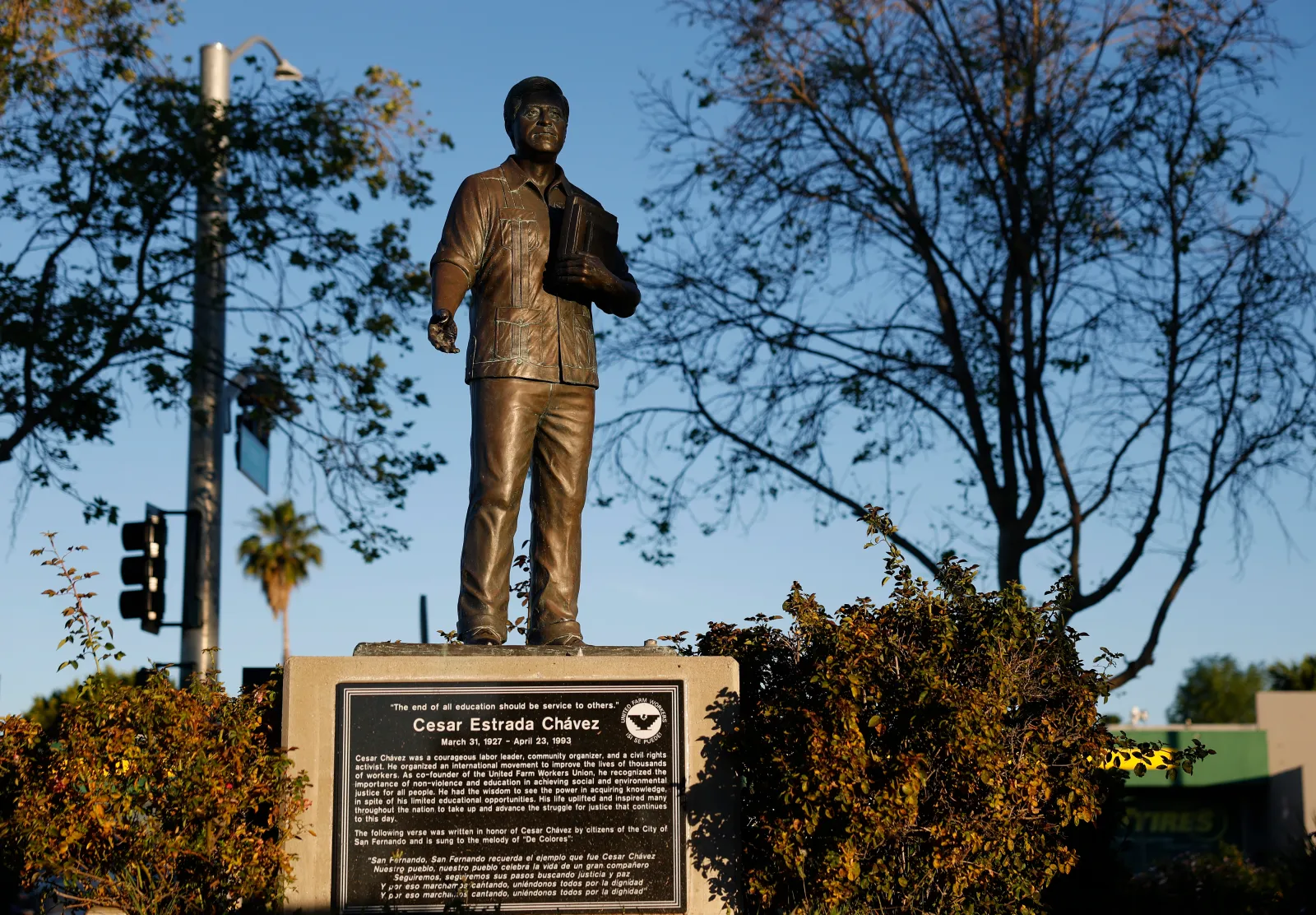
After his death, Chavez was widely commemorated as a symbol of the farmworker movement. Schools, streets and public buildings were named in his honor, and March 31, his birthday, is recognized as Cesar Chavez Day in several states and as a federal commemorative day. He was posthumously awarded the Presidential Medal of Freedom in 1994.
The League of United Latin American Citizens (LULAC) said it “unequivocally condemns any form of sexual violence against women and minors and strongly denounces the actions alleged involving the late Cesar Chavez.” The group said the allegations do not diminish the broader farmworker movement and reaffirmed its support for survivors and for farmworkers whose labor has long gone unrecognized.
...
What Was Cesar Chavez Accused of?
Recent reporting has brought forward allegations that Chavez engaged in sexual abuse and inappropriate sexual behavior involving women and minors while he was a senior leader of the farmworker movement. Organizations he founded have described the allegations as involving young women or girls and behavior incompatible with the movement’s values.
Both the United Farm Workers and the Cesar Chavez Foundation have said they lack firsthand knowledge of the allegations but are taking them seriously and establishing confidential, trauma‑informed processes for potential victims to come forward.
Who Is Dolores Huerta?
Dolores Huerta is a longtime labor organizer and civil rights leader who co‑founded the farmworker movement with Chavez and became one of its most visible public figures. She played a central role in organizing strikes, negotiating contracts and advocating for farmworkers’ rights.
In March 2026, Huerta issued a public statement alleging that Chavez sexually abused her during the 1960s.
“I carried this secret for as long as I did because building the movement and securing farmworker rights was my life’s work,” Huerta said in a statement to Newsweek on Wednesday. “I now understand that I am a survivor — of violence, of sexual abuse.”
How Old Was Cesar Chavez When He Died?
Cesar Chavez died in 1993 at age 66, according to historical records. The allegations were not publicly disclosed during his lifetime, a point repeatedly noted in coverage of the investigation and institutional responses.
What Did The New York Times Reveal?
The New York Times investigation reported accounts from women who say Chavez sexually abused them in California during the 1960s and 1970s. The reporting is based on interviews, contemporaneous records and corroborating evidence, and describes an alleged pattern of misconduct rather than a single incident.
Updates: 3/18/26, 2:04 p.m. ET: This article was updated with new information.
In a polarized era, the center is dismissed as bland. At Newsweek, ours is different: The Courageous Center—it's not "both sides," it's sharp, challenging and alive with ideas. We follow facts, not factions. If that sounds like the kind of journalism you want to see thrive, we need you.
When you become a Newsweek Member, you support a mission to keep the center strong and vibrant. Members enjoy: Ad-free browsing, exclusive content and editor conversations. Help keep the center courageous. Join today.


View 0 Comments
Submit Correction
View Editorial & AI Guidelines