
...

By Amanda Greenwood
Associate News Editor
0
Share
Newsweek is a Trust Project member
See more of our trusted coverage when you search.Prefer Newsweek on Googleto see more of our trusted coverage when you search.
The Centers for Disease Control and Prevention (CDC) issued a new Level 1 global travel health warning on March 23, which affects 16 countries.
What Is The CDC’s New Health Warning For?
The new level 1 health warning informs travellers that there is an increased risk of dengue fever—a mosquito‑borne viral illness that can lead to internal bleeding, organ failure, shock, and death in severe cases—across 16 countries.
Read More on Health
The advisory follows a rise in dengue activity worldwide and a higher‑than‑expected number of U.S. travelers returning with infections, according to the CDC.
While U.S. officials are not discouraging travel, they are urging travelers to take mosquito‑bite prevention seriously.
...
Countries with Elevated Dengue Risk
According to the CDC’s official travel notice, travelers may face an increased risk of dengue when visiting the following 16 countries:
- Afghanistan
- Bangladesh
- Bolivia
- Colombia
- Cook Islands
- Cuba
- Guyana
- Maldives
- Mali
- Mauritania
- New Caledonia
- Pakistan
- Samoa
- Sudan
- Timor‑Leste
- Vietnam
These destinations were flagged based on either higher‑than‑usual local dengue activity or increased numbers of dengue infections among U.S. travelers returning from these countries, the agency said.
What Is Dengue Fever?
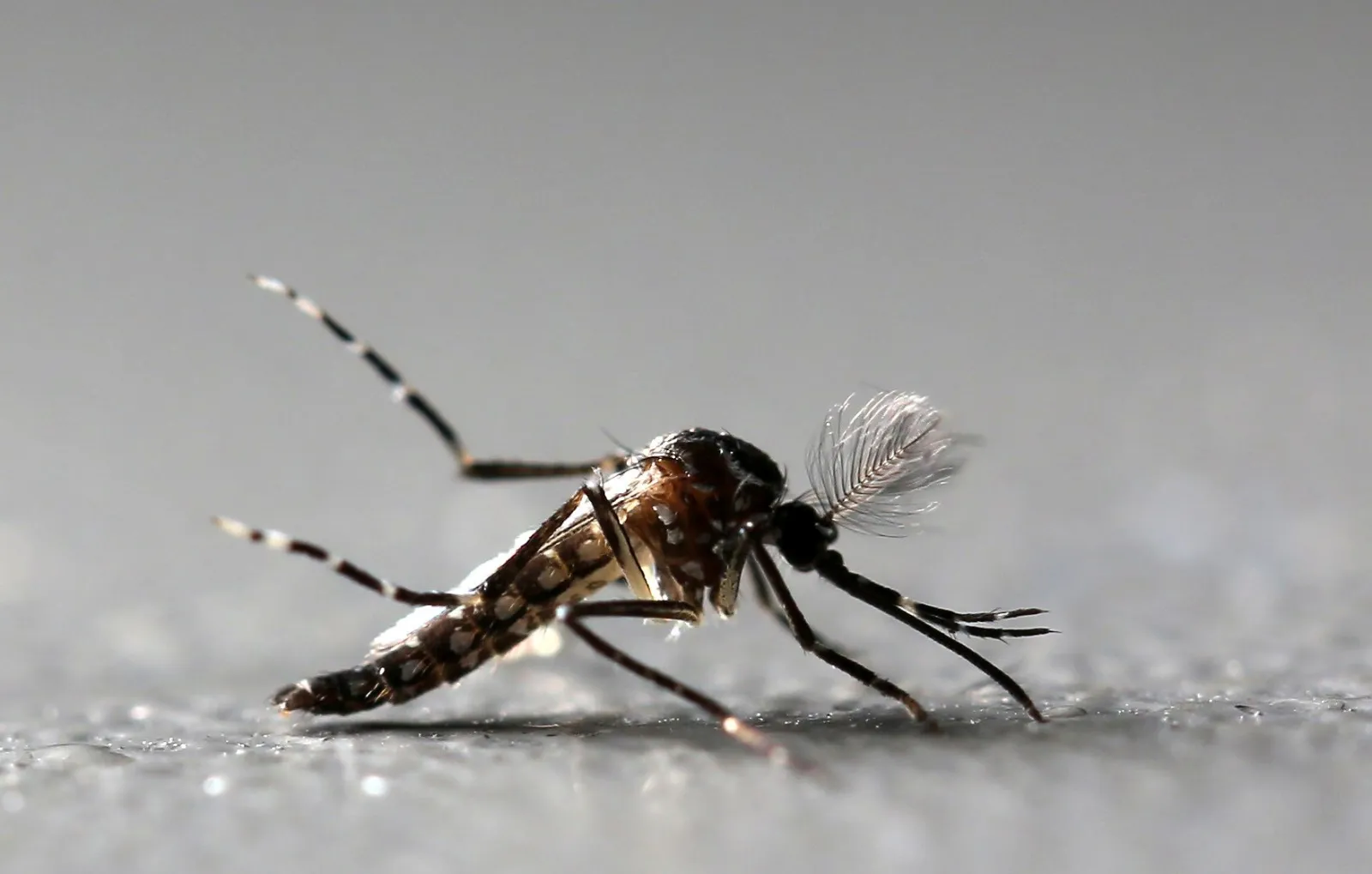
Dengue is spread through the bite of infected Aedes mosquitoes, which thrive in tropical and subtropical regions. Symptoms often include fever, headaches, nausea, vomiting, muscle and joint pain, and minor bleeding, according to the CDC.
However, in some cases, dengue can worsen quickly. Severe dengue is considered a medical emergency and may cause uncontrolled internal bleeding, dangerously low blood pressure, organ failure, and even death, the CDC warns.
Various news outlets, including The New York Post, have described rare cases involving excessive brain bleeding, though public health officials stress that most infections are mild.
The CDC said that there is no specific treatment for dengue—the advice is to rest, take acetaminophen for the fever and pain, and drink plenty of fluids—and a vaccine is not widely available or recommended for most short‑term U.S. travelers, so avoiding being bitten by mosquitoes is strongly advised.
What a Level 1 Travel Notice Means
A Level 1 travel health notice is the lowest level in the CDC’s advisory system. It means travelers should “practice usual precautions”, not cancel trips or change travel plans.
However, the CDC strongly recommends that travelers:
- Use an EPA‑registered insect repellent
- Wear long‑sleeved shirts and long pants outdoors
- Stay in accommodations with air conditioning or window screens
- Reduce exposure during peak mosquito activity, especially around dawn and dusk
Even after returning home, travelers are advised to avoid mosquito bites for several weeks to prevent potential local transmission.
Rising Global Concern
Dengue is considered a year‑round risk in many regions and tends to surge every two to five years, according to the CDC.
Media reports from The New York Post highlight growing concern as international travel increases ahead of spring break and summer vacations.
View 0 Comments
Submit Correction
View Editorial & AI Guidelines