...

By Hollie Silverman
News Editor
0
Share
Newsweek is a Trust Project member
See more of our trusted coverage when you search.Prefer Newsweek on Googleto see more of our trusted coverage when you search.
The Centers for Disease Control and Prevention (CDC) has expanded enhanced Ebola screening to Hartsfield‑Jackson Atlanta International Airport—the world’s busiest airport by passenger volume—as part of an emergency public health response to escalating outbreaks in the Democratic Republic of the Congo (DRC), South Sudan, and Uganda, federal officials announced Saturday.
The expansion follows a surge in Ebola cases and fatalities across Central and East Africa, alongside heightened global concern over recent imported cases within the region. By implementing screening at Atlanta, a critical international transit hub, the United States is strengthening its frontline defenses against potential importation of the virus, mitigating risks posed by even a small number of exposed travelers.
CDC officials stated that the measure is part of a "layered prevention approach" designed to intercept and contain high‑consequence pathogens before they spread within the U.S. To date, there have been no confirmed cases of Ebola in the United States linked to the ongoing African outbreak.
Read More on News
...
U.S. Implements Enhanced Entry Screenings and Travel Bans
Airports around the country are scaling up Ebola screening protocols as federal health authorities tighten restrictions at international points of entry. Enhanced screening measures commenced at Washington–Dulles International Airport in Virginia on May 20, followed by Hartsfield‑Jackson Atlanta International Airport, which leveraged existing infrastructure from previous public health operations to deploy its protocols.
This expansion follows a directive from the Department of Health and Human Services (HHS) and the CDC on May 18—subsequently amended on May 22—which suspends entry into the U.S. for foreign nationals who have been in the DRC, Uganda, or South Sudan within the past 21 days.
According to the CDC, airport screening functions as one component of a broader, multi-tiered public health strategy. This strategy also encompasses overseas exit screening, mandatory commercial airline illness reporting, and post-arrival health monitoring. The heightened vigilance was underscored on Thursday when a domestic flight bound for Detroit was diverted to Canada over concerns regarding a passenger's potential exposure to Ebola.
Currently, non-U.S. passport holders from the DRC, South Sudan, and Uganda are subject to a 30-day travel ban that took effect on May 18. This restriction was enacted three days after health authorities confirmed an outbreak of the Bundibugyo strain of Ebola in northeastern DRC. Uganda has since reported imported cases originating from the DRC border.

...
When Did the Ebola Outbreak Start?
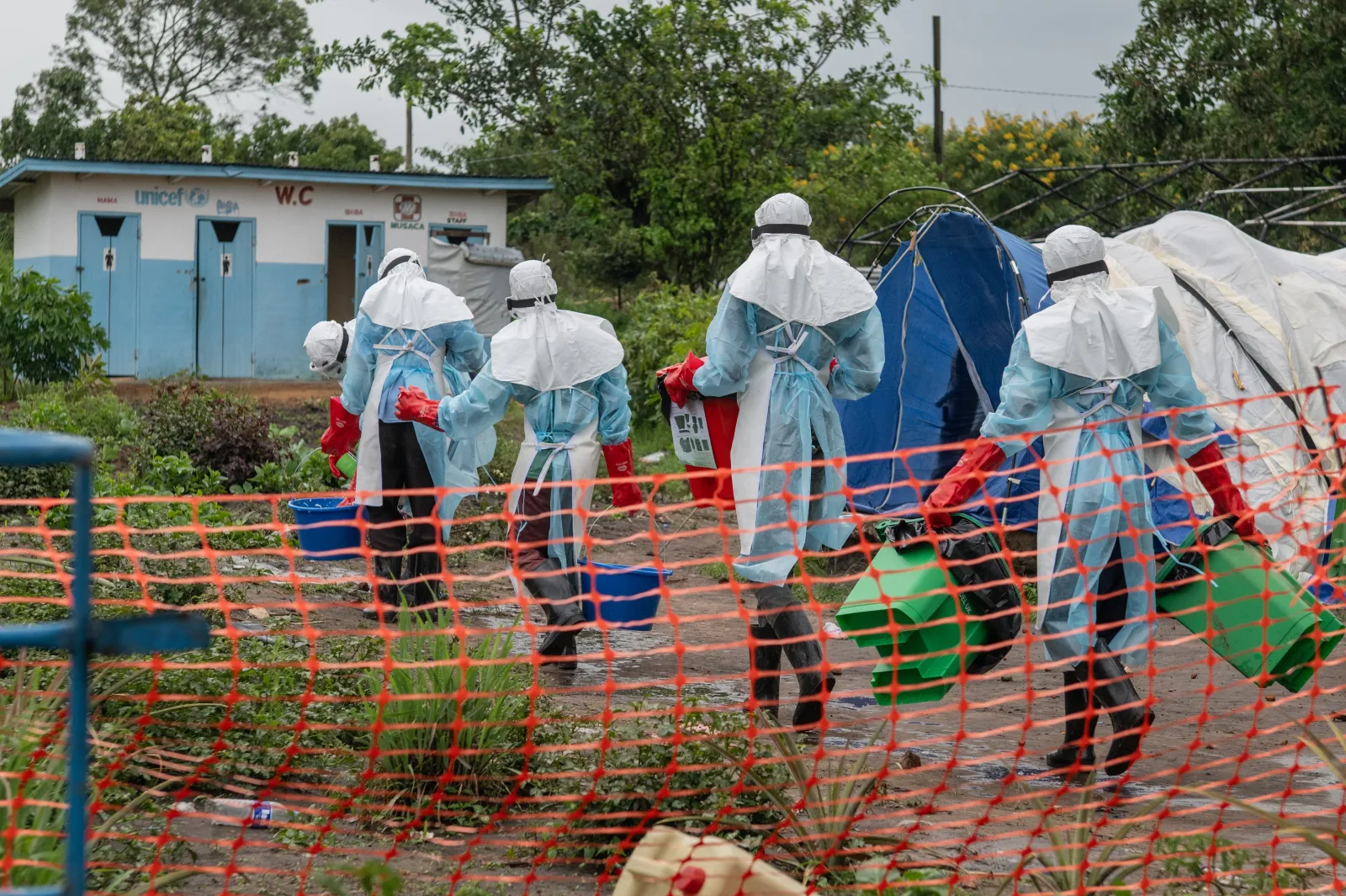
The current outbreak in the DRC began late last month when local health officials identified a cluster of unexplained deaths in Ituri province exhibiting symptoms consistent with viral hemorrhagic fever.
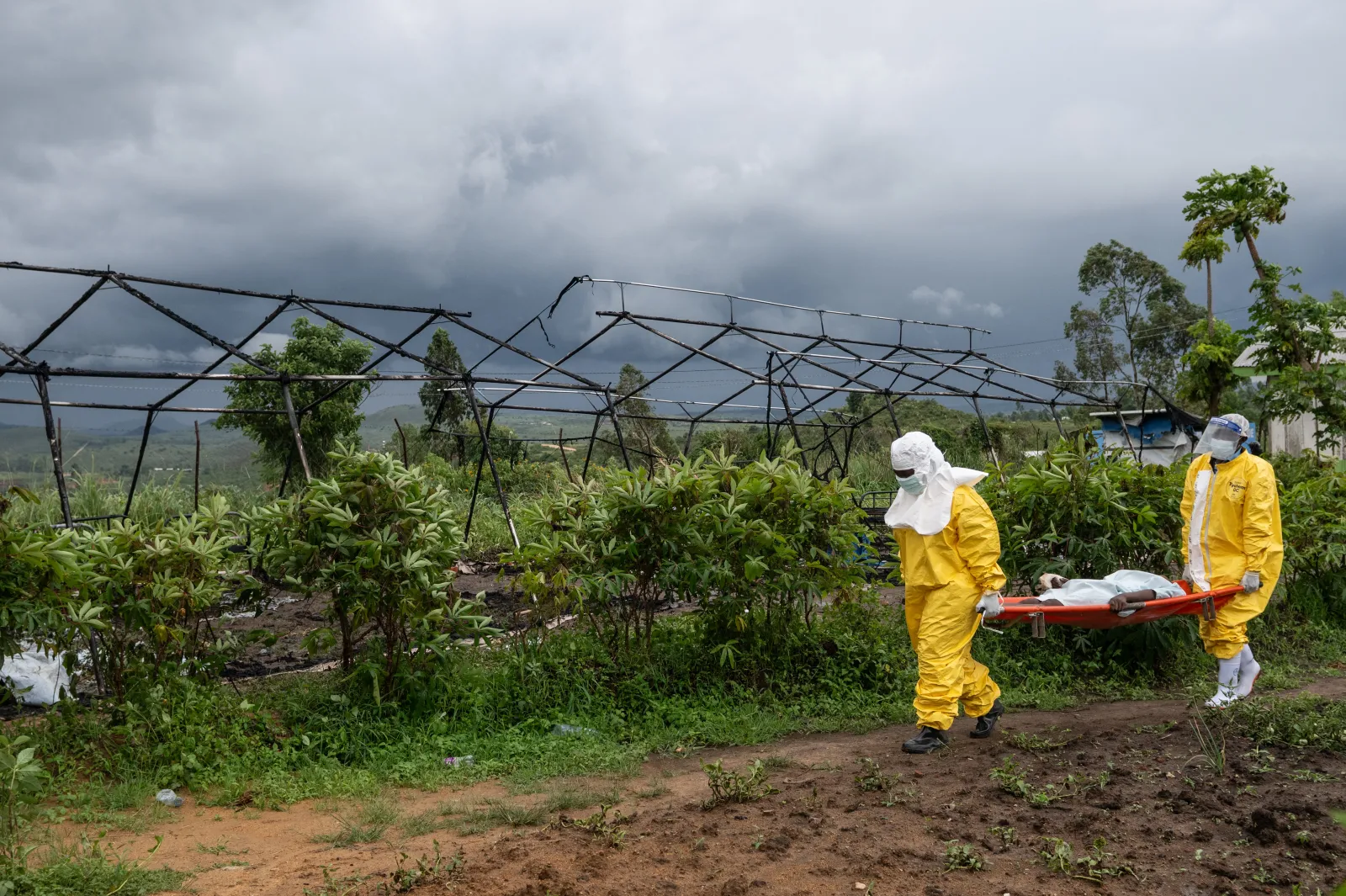
On Friday, World Health Organization (WHO) Director-General Tedros Adhanom Ghebreyesus said there are 82 laboratory-confirmed cases and seven deaths in the DRC, while cautioning the true scope of the outbreak is likely "much larger," according to the Associated Press. The AP report noted there are at least 750 suspected cases and 177 suspected deaths, with figures expected to rise as surveillance expands.
The suspected index case—a nurse practicing in Bunia—died on April 24. Retrospective epidemiological investigations suggest the virus had been circulating undetected for several weeks prior to laboratory confirmation.
The DRC Ministry of Health and the WHO formally declared the outbreak in early May after diagnostic testing identified the Bundibugyo species of the virus. Bundibugyo is a less common strain of Ebola, meaning existing vaccines and therapeutic treatments offer limited to no protection. By mid-May, the rapid spread prompted regional alerts in neighboring Uganda and South Sudan, triggering the CDC's enhanced screening protocols at U.S. airports.
First discovered in 1976 near the Ebola River in the DRC, the virus has caused more than 40 documented outbreaks over the last five decades, according to data from the National Institutes of Health (NIH).
How Deadly Is Ebola?
Ebola remains one of the world's most lethal viral pathogens, exhibiting case-fatality rates that fluctuate based on the specific viral strain, local healthcare infrastructure, and how quickly cases are identified. Historical data from global health agencies show that outbreak mortality rates typically range between 25 percent and 90 percent.
The Bundibugyo species driving the current outbreak historically yields a 30 percent to 50 percent mortality rate. However, survival outcomes decline sharply when patients experience delays in accessing specialized medical care.
The current outbreak is exhibiting an elevated severity profile, with the Pan American Health Organization (PAHO) estimating the present mortality rate between 55 percent and 60 percent.
Ebola causes severe illness by overwhelming the immune system and damaging blood vessels, leading to organ failure, shock, and internal bleeding. Early supportive care—IV fluids, oxygen, and treatment of complications—can significantly improve one's survival, but many affected communities face barriers to rapid medical access.

...
What Is the Treatment for Ebola?
Treatment relies primarily on rapid, aggressive supportive care, which remains the most effective way to improve survival.
Patients are given IV fluids, electrolytes, oxygen support, and medications to manage fever, pain, nausea, and secondary infections, along with interventions to stabilize blood pressure and treat organ complications.
While two monoclonal antibody therapies—Inmazeb and Ebanga—are FDA-approved to treat the Zaire ebolavirus species, they are ineffective against the Bundibugyo strain. Consequently, clinicians must rely entirely on optimized supportive therapies.
During major outbreaks, health authorities may authorize investigational antivirals, convalescent plasma, or clinical trials, though availability is limited and effectiveness varies. Because Ebola progresses quickly, patients who reach care within the first one to two days of symptoms have significantly better outcomes than those who arrive later, when dehydration, shock, and organ failure are already advanced.
...
How Can Travelers Protect Themselves?
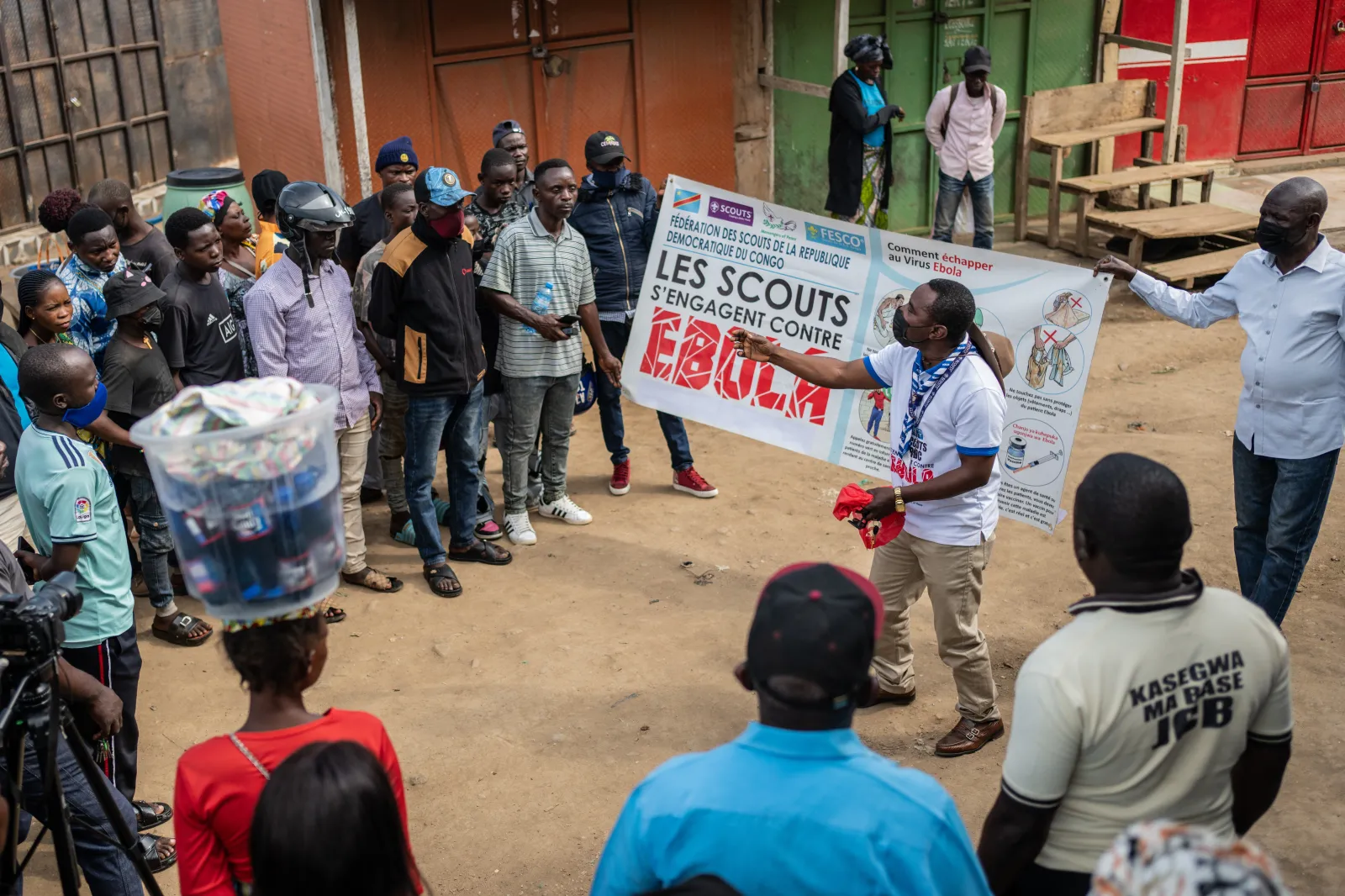
Travelers can protect themselves by practicing strict hygiene and avoiding high‑risk exposures, especially if they have recently been in or near outbreak areas.
CDC advises people to avoid contact with sick individuals, steer clear of healthcare settings treating Ebola patients, and not handle raw bushmeat or wildlife, which can spread the virus.
Frequent handwashing with soap or alcohol‑based sanitizer, avoiding contact with bodily fluids, and monitoring personal health for 21 days after travel are key steps.
Travelers should also stay informed through CDC travel notices, follow local health guidance, and seek medical care immediately if they develop symptoms such as fever, severe headache, vomiting, or unexplained bleeding.
...
View 0 Comments
Submit Correction
View Editorial & AI Guidelines