...

By Jordan King
Reporter
0
Share
Newsweek is a Trust Project member
See more of our trusted coverage when you search.Prefer Newsweek on Googleto see more of our trusted coverage when you search.
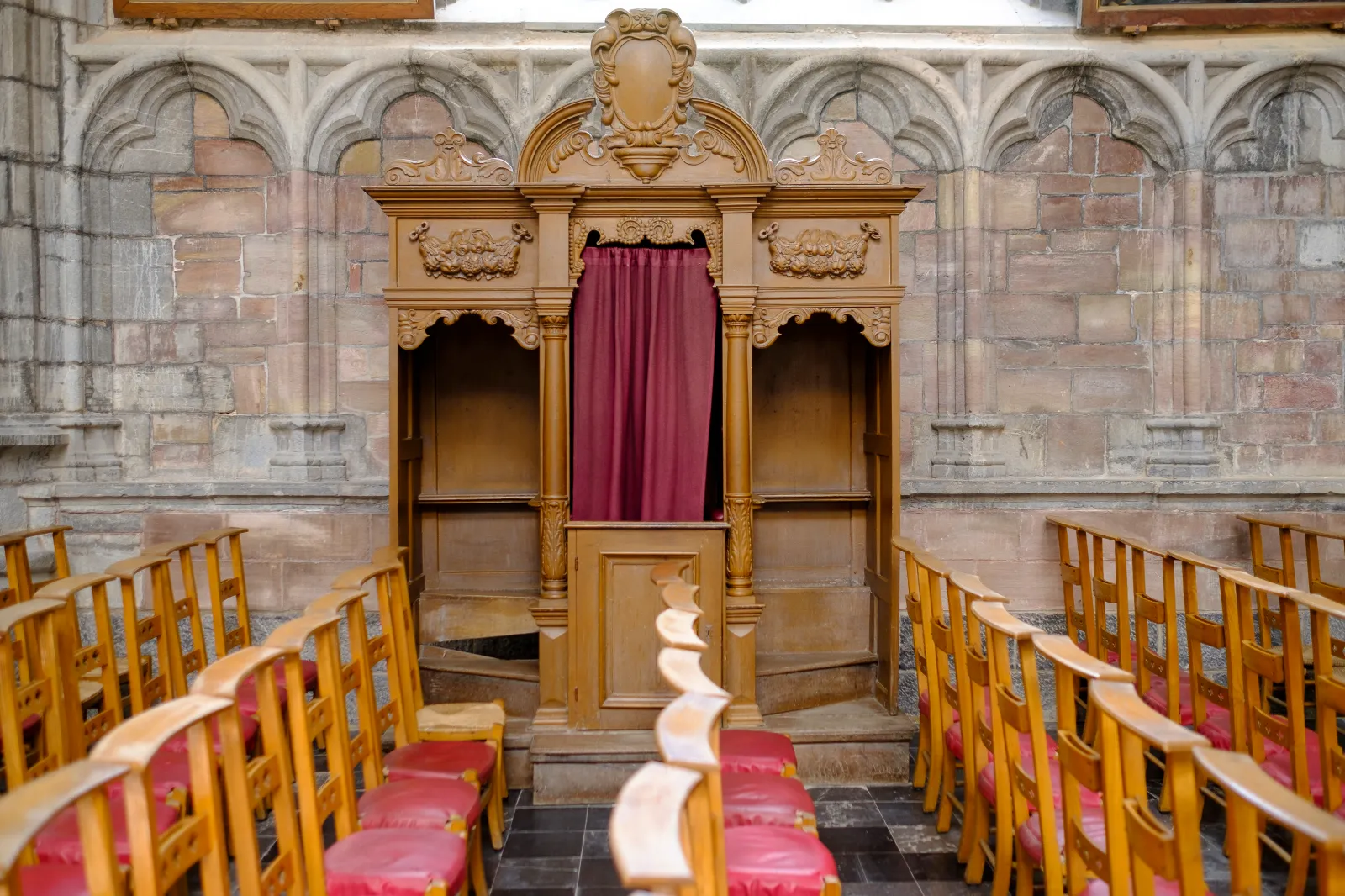
Priests in Arizona could face felony charges for failing to report child abuse learned during confession if a proposed state law is enacted.
House Bill 2039, introduced last month by State Representative Anastasia "Stacey" Travers, seeks to make it a crime for clergy to withhold information when they have a reasonable suspicion that abuse is ongoing or poses a threat to minors.
Newsweek has contacted Travers and the Arizona Catholic Conference via email for comment.
Read More on News
Why It Matters
The proposed law reignites national debate over the balance between child protection and religious freedom. By requiring priests to break the seal of confession—one of the Catholic Church's most sacred duties—Arizona’s legislation tests constitutional boundaries and adds to a growing trend of similar measures pursued in other states. The outcome could have ripple effects on religious liberties across the U.S.
What To Know
HB 2039, as introduced on December 4, would amend Arizona’s state code to oblige clergy, including priests, to report information about child abuse if they have "reasonable suspicion to believe that the abuse is ongoing, will continue, or may be a threat to other minors" after hearing it in a confession.
Under the bill, failure to disclose such information by a priest could be prosecuted as a class 6 felony. This carries potential penalties of up to $150,000 in fines and up to two years in prison, according to Legal Clarity’s legal guidelines on class 6 felonies in Arizona.
The proposal mirrors efforts in several other states—such as Delaware, Vermont, Wisconsin, and Montana—where bills have called for mandatory reporting by clergy, even if it requires violating the confessional seal. These efforts have routinely met resistance on constitutional grounds, particularly regarding the First Amendment right to religious practice, the National Catholic Register reports.
For example, a similar law in Washington state was blocked by a federal court in July 2025 and ultimately abandoned in October.
...
What People Are Saying
The Catechism of the Catholic Church states: "It is absolutely forbidden for a confessor to betray in any way a penitent in words or in any manner and for any reason.”
Previous opposition to similar laws has been strong.
Jean Hill, executive director of Washington State Catholic Conference (WSCC), told Newsweek after Washington state's attempt at a similar law: "Our priests are already mandatory reporters under diocesan policies in all three dioceses, which is also true in most if not all dioceses nationwide. They are required to report reasonable suspicions of abuse at all times with the limited exception of the time they are in the confessional—which is typically a couple of hours per week.
"The WSCC supported the mandatory reporting legislation throughout its history in the Washington state legislature. Our only request was that the state uphold our state and federal constitutional rights to maintain the Seal of Confession, as required by Canon Law."
What Happens Next
HB 2039 remains in committee and has not advanced to a full House vote. The future of the bill will depend on legislative debate and possible constitutional challenges if enacted. If it becomes law, priests in Arizona could face the possibility of felony charges, large fines, and imprisonment for adhering to sacramental confidentiality. The measure’s fate could influence similar proposals in other states, and any subsequent legal battles are likely to set a precedent for how the First Amendment is interpreted regarding religious confession and mandatory child abuse reporting.
View 0 Comments
Submit Correction
View Editorial & AI Guidelines