10
Loading video...


By Amanda Castro and Leonardo Feldman
0
Share
Newsweek is a Trust Project member
See more of our trusted coverage when you search.Prefer Newsweek on Googleto see more of our trusted coverage when you search.
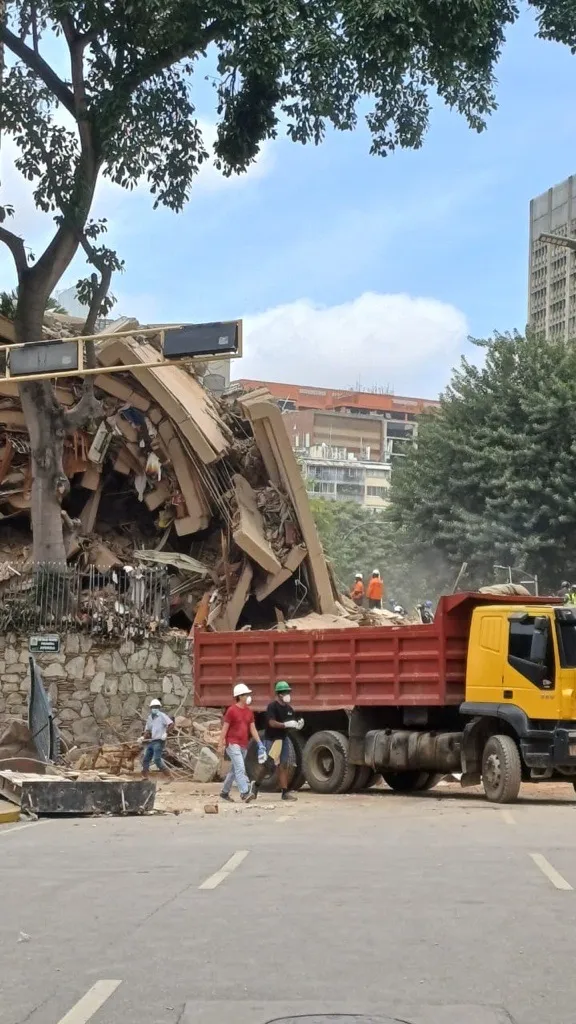
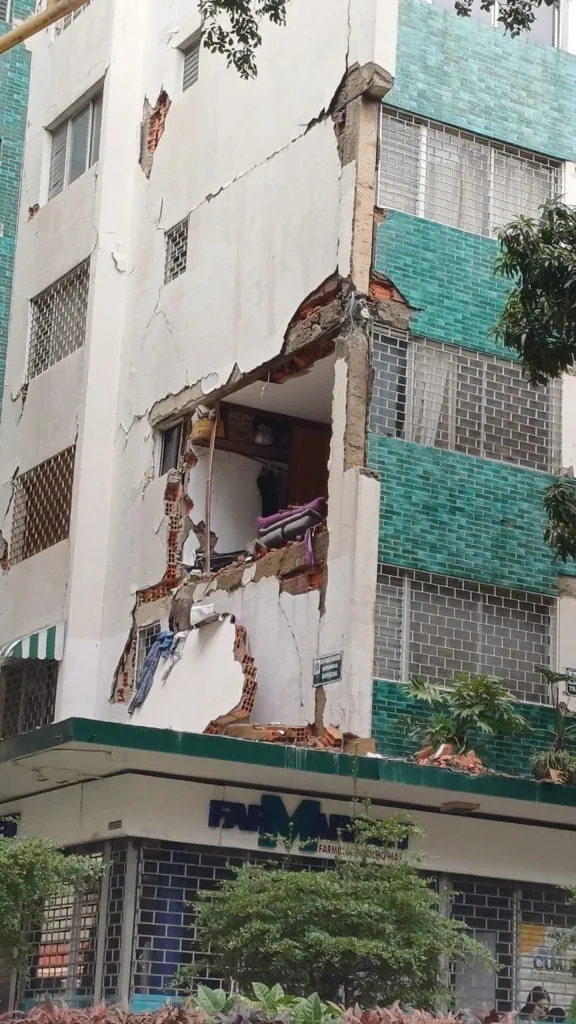
The pair of massive earthquakes that tore through Venezuela on Wednesday evening sent residents scrambling into the streets as buildings swayed, cracked, and collapsed across the capital.
The twin shocks struck densely populated neighborhoods unprepared for long, violent shaking, unleashing panic and leaving entire districts unrecognizable. Millions in Caracas and the coastal state of La Guaira are now sleeping in cars, searching for relatives, and bracing for aftershocks as rescue crews race to reach the trapped.
Acting President Delcy Rodríguez declared a national emergency and said “dozens of buildings have collapsed,” with La Guaira facing “a true tragedy.” The U.S. Geological Survey issued two red alerts and estimated a 41 percent probability that fatalities could exceed 10,000.
Read More on World
Newsweek reached out to the National Directorate for Civil Protection and Disaster Management in Venezuela for comment.
...
Caracas Residents Describe the Moment the Ground Turned to Water
For many in the Venezuelan capital, the terror began with a sensation that defied logic.
“At 6:05 in the afternoon, I went to take the dog down the stairs, floor two, and when I went down, everything began to move from left to right very strongly as if it were the tide of a beach,” Marian Rieber, a health journalist in Caracas, told Newsweek. “But we were on the concrete.”
Rieber said the sound was deafening—metal, glass, and concrete groaning at once—followed by neighbors screaming as the shaking continued far longer than any quake she had ever experienced.
“This was very long, very long,” she said. “I was attached to my dog, and I felt that the floor kept moving, then the aftershocks came.”
...
A City Sleeping in Cars and Watching the Horizon
With cellphone service down across parts of Caracas and aftershocks rattling buildings through the night, families fled into the open.
“Most Venezuelans have slept in the car doing vigils, taking care of each other,” Rieber said. “Taking the dogs where we go...unfortunately, this is a tragedy, to which we are not used and we are not prepared.”
In Altamira, one of the hardest‑hit neighborhoods, a 22‑story building collapsed entirely, according to AFP. Residents described dust clouds rising between towers, people shouting names into the dark, and volunteers climbing over debris with flashlights.
Rieber said the devastation in Palos Grandes, a well‑known Caracas district filled with cafés and murals, was especially wrenching.
“There are images that look like images of war,” she told Newsweek. “This is a sign of how vulnerable we are and at the same time a commitment to get up together.”
She described neighbors forming spontaneous brigades—checking on elderly residents, sharing water, and clearing stairwells—while others simply sat in silence, staring at the cracked outlines of buildings they had lived in for decades.
Another Caracas Survivor Describes Panic, Prayer, and a Night of Screams
For Keyla Romero Rivas, the first sign that something was wrong was a low, strange rumble she mistook for her daughter shifting in another room.
“Suddenly, very fast, we realized something was happening that was not normal," she told Newsweek.
When the shaking intensified, the family tried to flee, but the building itself fought back.
“The doors were moving to a level that we couldn’t open them,” Romero Rivas said.
Her husband forced one open and was injured in the process. Her brother‑in‑law collapsed in the chaos, briefly appearing to suffer a stroke before a neighbor determined it was a fractured collarbone and shock.
Romero Rivas grabbed her daughter and prayed. “We began to ask God for my brother‑in‑law, for me, for Venezuela, for all the people,” she said. “To thank Him because we were healthy.”
...
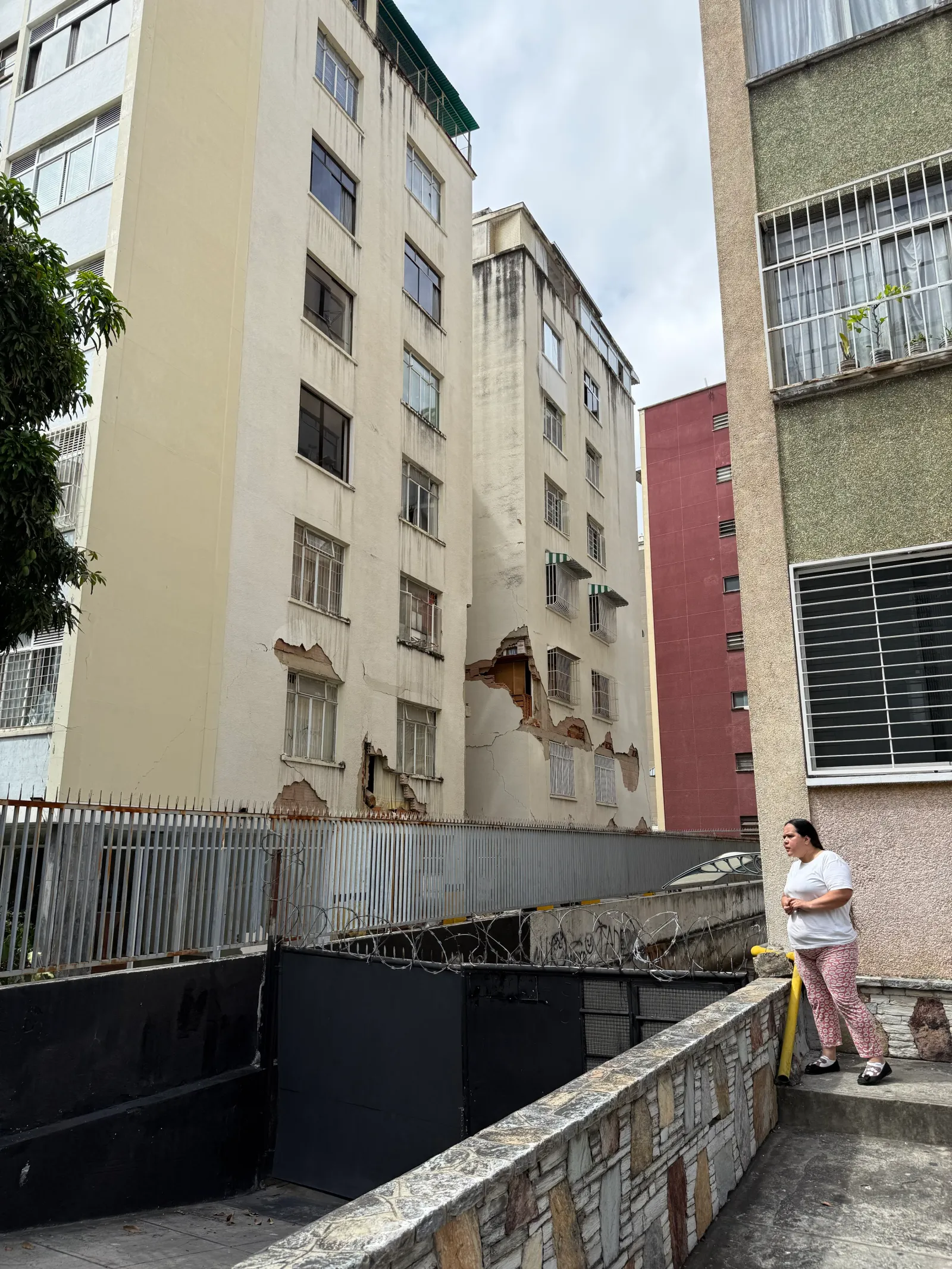
Inside their home, vases and ornaments shattered, but the structure itself held. Outside, neighbors gathered in the dark, hugging one another, crying, and trying to understand the scale of what had happened.
“We are not used to this type of event,” she said. “We knew it had to be something very, very serious in the country.”
As the family drove through Santa Fe, they saw crowds lining the streets: Parents clutching children, elderly residents wrapped in blankets, people listening to radios in parked cars.
“It was something very hard,” she said. “There are too many people who have been left homeless.”
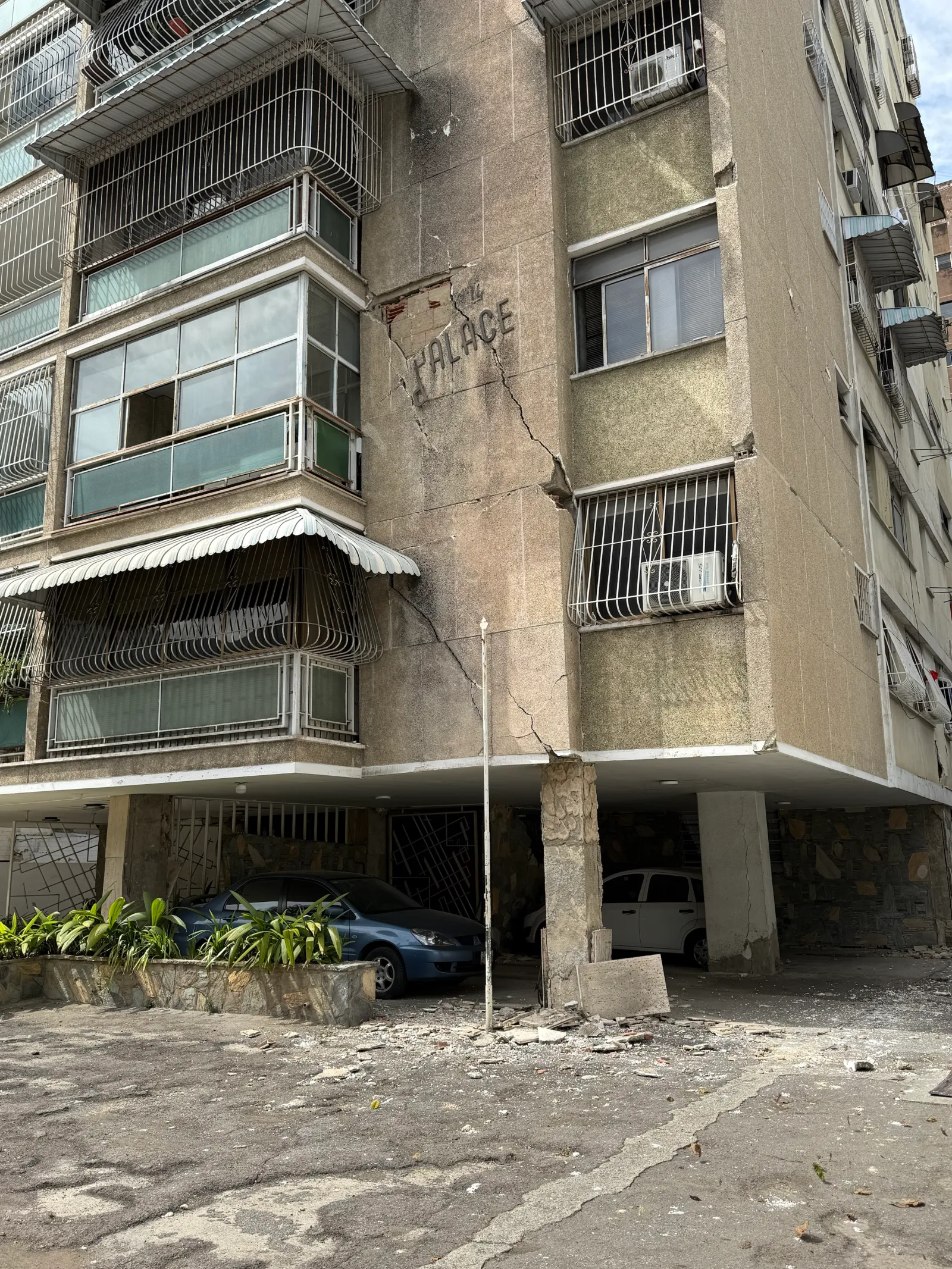
She described hearing "horrible screams" from collapsed structures and entire low‑income communities sleeping in tents after their homes were destroyed. Many buildings across Caracas, she said, may no longer be safe to enter.
“People are very afraid,” she said. “We feel the pain together, and we are helping each other. But we need help—shelters, engineers, equipment, everything. What is seen is little compared to what is happening.”
‘It Looked Like Gaza’: A Journalist Describes the Moment Caracas Realized the Worst
Tony Frangie Mawad, a Caracas‑based journalist, was stuck in an elevator when the shaking began.
“The elevator started to shake really violently from side to side and went down really fast,” he told Newsweek. When the doors finally opened in the building’s second basement, he and two others sprinted into the parking lot and watched the structure sway above them.
With cellphone service collapsing across the city, residents clustered around whatever Wi‑Fi signals they could find. Frangie Mawad began seeing the first reports: buildings down in the northern neighborhoods, walls peeled open, entire structures pancaked.
“That’s when I realized it wasn’t just a minor shake,” he said. “Buildings hadn’t collapsed in Caracas from a quake since 1967.”
His sister, who had been at the movies with her children, returned with videos showing façades ripped away and towers split open. The scale became undeniable once footage from La Guaira began circulating.
“It looked like Gaza,” he said. “A war zone.”
The full toll remains uncertain, but early open‑source tallies suggest tens of thousands may be missing, many from the coastal state.
“We do expect it to be a major natural catastrophe for Venezuela,” Frangie Mawad said, one whose true scope is only beginning to emerge.
A Country Already in Crisis Faces a New Test
The earthquakes struck a nation already strained by years of economic collapse and mass migration. More than 7.7 million Venezuelans have left the country in the past decade, and many families told local reporters they could not reach relatives abroad due to the outages.
The quakes also damaged Simón Bolívar International Airport, complicating rescue logistics. The United States, China, Brazil, and the Dominican Republic have begun sending aid, while the U.S. State Department mobilized a disaster assistance team.
Secretary of State Marco Rubio said the U.S. response “will be big, fast, and effective,” noting that search teams and medical supplies were already en route.
“These twin earthquakes are yet another humanitarian challenge for the Venezuelan people, who have already suffered so much,” Paul Angelo, an American visitor to Caracas, told Newsweek. “But there is tremendous solidarity on the ground, with everyday citizens offering shelter, food, and moral support wherever they can. The U.S. and neighboring Latin American governments are surging aid to Caracas and La Guaira to save as many lives as possible during the critical hours immediately following this national tragedy.”
...
A Lesson in Fragility and in What Comes Next
For Rieber, the disaster has forced a reckoning.
“It has really been devastating, and it is a terrible lesson in the vulnerability of life,” she said. “Of wasting less time fighting, worrying about things…living with a little more harmony and gratefulness.”
As rescue crews continue searching collapsed buildings and aftershocks ripple through the region, Venezuelans are bracing for a long recovery. One built on community, improvisation, and the hope that the worst has already passed.
Contact Newsweek editors on this story: Steve Mollman and Sam Wilson.
View 0 Comments
Submit Correction
View Editorial & AI Guidelines