...

By Robert Alexander
Senior Crime & Court Reporter
0
Share
Newsweek is a Trust Project member
See more of our trusted coverage when you search.Prefer Newsweek on Googleto see more of our trusted coverage when you search.
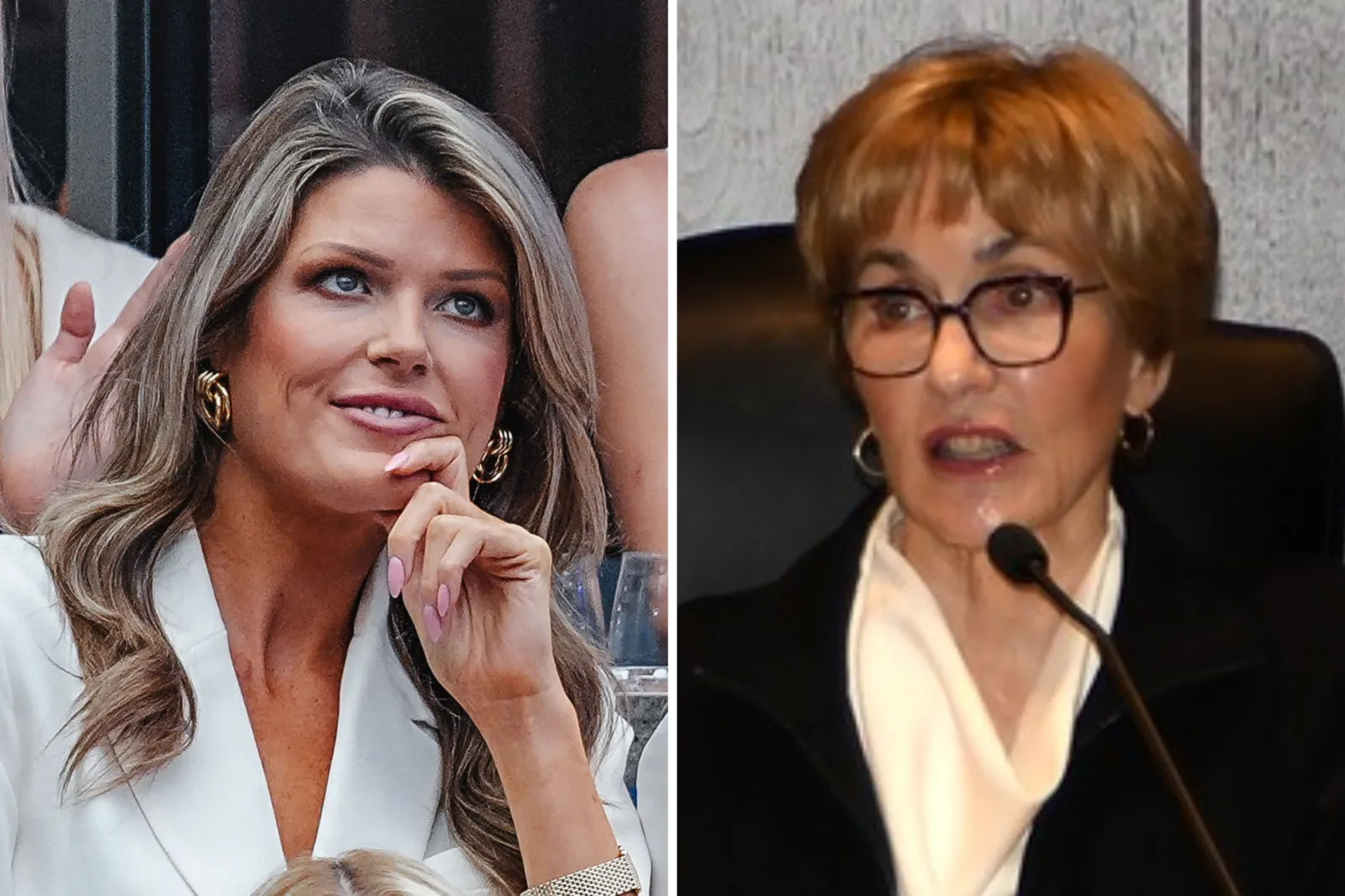
A motion seeking to disqualify interim U.S. Attorney for the Eastern District of Virginia Lindsey Halligan from the prosecution of former FBI Director James Comey has advanced, moving the dispute into formal court review.
Senior U.S. District Judge Cameron McGowan Currie has been assigned to oversee the proceedings and has set new deadlines for both sides to file their arguments, court filings show.
Why It Matters
The assignment of Currie to hear a motion challenging Halligan’s role in the Comey prosecution underscores the high stakes and sensitivity of the case. Disqualification motions against federal prosecutors are rare, and Currie’s appointment by 4th Circuit Chief Judge Albert Diaz indicates the judiciary’s intent to ensure neutrality and procedural integrity.
Read More on U.S.
The outcome could influence not only the Comey proceedings but also how the Justice Department’s appointment and recusal standards are applied in politically charged prosecutions.
...
What To Know
Who Is Judge Cameron McGowan Currie?
Currie is a senior U.S. district judge for the District of South Carolina and was appointed to the federal bench by President Bill Clinton in 1994.
Chief Judge Albert Diaz of the U.S. Court of Appeals for the 4th Circuit, a Barack Obama appointee, selected her to preside over the disqualification bid, according to court filings.
Currie is currently overseeing United States v. Comey and issued an order Tuesday, October 21, 2025, giving the government until 5 p.m. on November 3 to respond to the motion challenging Halligan’s qualification.
The defense will have an additional week to reply.
The assignment of a judge from outside the district suggests that the matter is being treated as a significant procedural issue.
While disqualification of a federal prosecutor is rare, Comey’s defense team has questioned Halligan’s eligibility for the post she assumed last month when she was appointed interim U.S. attorney for the Eastern District of Virginia by President Donald Trump.
A Long Legal Career in Federal Service
Born October 3, 1948, in Florence, South Carolina, Currie earned her B.A. from the University of South Carolina in 1970 and J.D. from George Washington University Law School in 1975, according to the Federal Judicial Center.
She began her legal career as a law clerk to U.S. Magistrate Arthur L. Burnett in Washington, D.C., then worked in private practice before serving as an assistant U.S. attorney in both the District of Columbia and South Carolina.
Currie was appointed a U.S. magistrate judge for South Carolina in 1984, later returning to private practice in Columbia, where she also served as an adjunct professor at the University of South Carolina School of Law.
From 1989 to 1994, she was chief deputy attorney general of South Carolina.
Clinton nominated her to the federal bench in January 1994 to fill the vacancy left by Judge Falcon Black Hawkins Jr.
She was confirmed by the Senate in March 1994 and took senior status in 2013.
Record of Procedural Rigor
Currie’s record reflects a consistent emphasis on procedural rigor and adherence to established legal standards.
In McCraney v. Commissioner of Social Security Administration, she upheld a denial of disability benefits, stressing that her review was limited to whether the agency’s decision was supported by “substantial evidence.”
In Somers v. All Improperly Filed Candidates, she served on a three-judge panel that dismissed claims over South Carolina’s election procedures for lack of standing.
In criminal cases, Currie has shown a willingness to deviate from sentencing guidelines when warranted.
In United States v. Harrison, the judge gave the defendant a longer sentence than usual for a gun-related crime, explaining that the person’s past record and the need to discourage future offenses justified the tougher punishment.
The 4th Circuit Court of Appeals affirmed the sentence in October 2025.
Her courtroom preferences, published on the District of South Carolina’s website, demonstrate her focus on documentation and procedure, including requirements for courtesy copies, email submission of pretrial briefs, and indexing of exhibits.
Limited Precedent for Removal of a U.S. Attorney or Federal Prosecutor
Disqualification of a U.S. attorney or federal prosecutor is rare, but not without precedent.
Courts have occasionally removed government lawyers from cases when an actual conflict of interest or serious ethical violation was proven.
In the 1981 United States v. Heldt case, prosecutors were disqualified for reviewing privileged defense materials, violating due process.
In United States v. Bolden, the court held that disqualification is warranted only when a conflict “threatens the integrity of the judicial process.”
By contrast, in United States v. Whitman, removal was denied after the court found the alleged conflict speculative.
Federal judges generally agree that the appearance of bias or political connection alone is insufficient; a clear showing of prejudice or a violation of ethics rules under 28 U.S.C. § 528 or Justice Department policy is required.
In practice, potential conflicts are typically handled internally through recusal, not court-ordered removal.
A formal judicial disqualification—especially of a sitting U.S. attorney—is exceptionally uncommon and would likely require detailed findings of conflict, misconduct, or statutory impropriety.
What People Are Saying
Department of Justice senior media affairs manager Natalie Baldassarre said in an email to Newsweek on October 22, 2025, that the agency had no comment to make on the pending motion to disqualify Halligan.
What Happens Next
Currie has ordered the Justice Department to respond to the disqualification motion by November 3, with the defense reply due a week later. After the filings are complete, she may decide the matter based on the written briefs or hold a hearing. Her ruling could result in Halligan’s removal if a conflict or procedural flaw is found or allow her to continue if the motion is denied.
A written opinion is expected, and while no hearing date has been announced, the decision could have broader implications for how the Justice Department handles appointments and recusals in politically sensitive prosecutions.
View 0 Comments
Submit Correction
View Editorial & AI Guidelines