...

By Anna Skinner
Associate News Editor
0
Share
Newsweek is a Trust Project member
See more of our trusted coverage when you search.Prefer Newsweek on Googleto see more of our trusted coverage when you search.
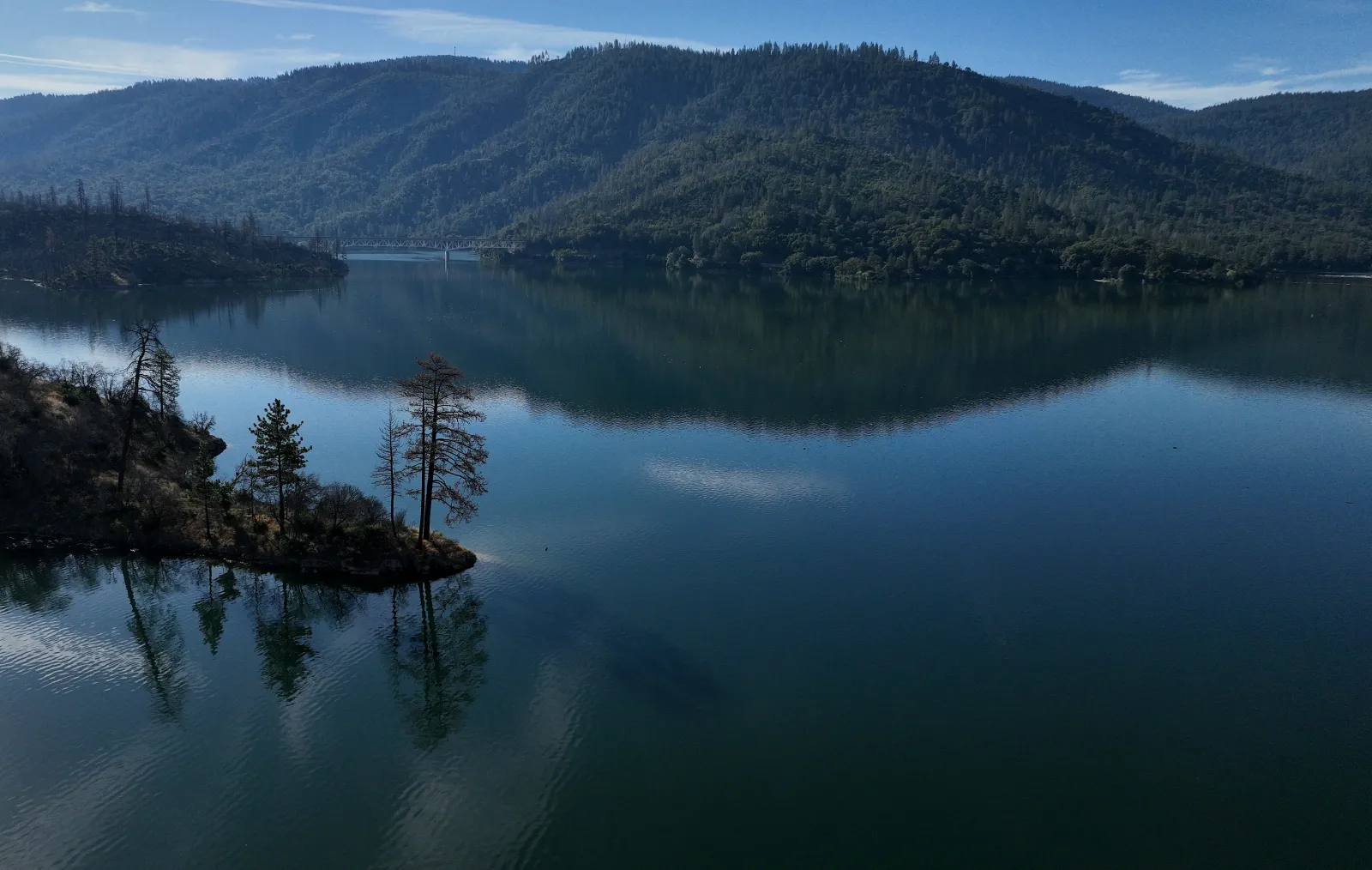
An atmospheric river is bringing a surge of moisture across California, with excessive rains causing Lake Oroville to rise more than 6 feet in the span of a day.
Newsweek has contacted the California Department of Water Resources (DWR) for comment by email.
Atmospheric rivers are a "long, narrow region in the atmosphere—like rivers in the sky—that transport most of the water vapor outside of the tropics," according to the National Oceanic and Atmospheric Administration.
Read More on U.S.
The storms brought by atmospheric rivers are known for their heavy snow, heavy rain and strong winds. They more commonly affect the West Coast, particularly during the winter months. Although the storms can bring beneficial snow that helps supplement reservoirs throughout the dry summer season, they can also trigger deadly flooding, mudslides and widespread power outages.
Over the weekend, the storm brought almost a foot of rain across parts of the Sierra Nevada mountains. The water has already led to a surge in nearby reservoir water levels.
...
"Up to 11 inches of rain has fallen in the Northern Sierra over the past 24 hours," extreme weather chaser Colin McCarthy posted on X. "Lake Oroville, California's second-largest reservoir, is now taking in 67,000 cubic feet of water per second, nearly 3,000 Olympic pools every hour."
A graph depicting current water levels at Lake Oroville showed water levels at 781 feet, which was 6.74 feet higher than its water levels on Sunday. According to data from the DWR, Lake Oroville is at 54 percent capacity, which is 102 percent of its historical average for this time of year.
Heavy rainfall will continue across the region through Monday morning, warned the National Weather Service (NWS) office in Sacramento, California, with the storm picking up by Tuesday night.
"Christmas Eve through the day after Christmas will see major mountain travel impacts," NWS Sacramento wrote on X. "Saturday will trend much drier."
Numerous flood-related alerts remain in place across the state, with winter storm watches in place as well. Heavy snow is expected to begin on Tuesday night, with meteorologists anticipating winter weather to become so severe that travel is discouraged.
Over the weekend, the DWR also warned people to be storm prepared.
"Are you storm ready? Now is the time to prepare! Have a plan, get your emergency preparedness kit ready, and learn more important tips at https://ready.gov," the agency posted on X.
Lake Shasta, the state's largest reservoir, has also seen a slight rise in its water levels. The reservoir was 999 feet as of Monday, more than 1.5 feet above its Sunday levels.
View 0 Comments
Submit Correction
View Editorial & AI Guidelines