...

By Jasmine Laws
Reporter
0
Share
Newsweek is a Trust Project member
See more of our trusted coverage when you search.Prefer Newsweek on Googleto see more of our trusted coverage when you search.
Conservation groups are pushing a major overhaul of how Southern California gets its water, arguing the state must rely less on imported supplies as climate change, drought and rising costs threaten long-term water security for millions of residents.
The coalition, made up of 12 groups, says California should dramatically expand local water capture, wastewater recycling and groundwater cleanup rather than continue depending heavily on imported supplies from the Colorado River and Northern California.
In a proposal titled A New Vision for a Sustainable Water Future for Northern and Southern California, the groups estimate that technologies such as stormwater capture, recycling and conservation could provide Southern California with up to 2 million acre-feet of drought-resistant water annually by 2045—equivalent to roughly 650 billion gallons.
Read More on News
The coalition also argues its approach would deliver significantly more water than California’s Delta Conveyance Project—a proposed 45-mile tunnel designed to transport Sacramento River water into the State Water Project system. That plan is expected to yield about 0.5 million acre-feet annually, far below the coalition’s projections.

...
Why California’s Water Supply Is Under Pressure
California’s water system is currently built to transport water hundreds of miles from sources like the Colorado River and the Sacramento-San Joaquin Delta,
But both systems are under mounting strain from climate change, shrinking snowpack, rising temperatures and increasingly extreme swings between drought and flooding.
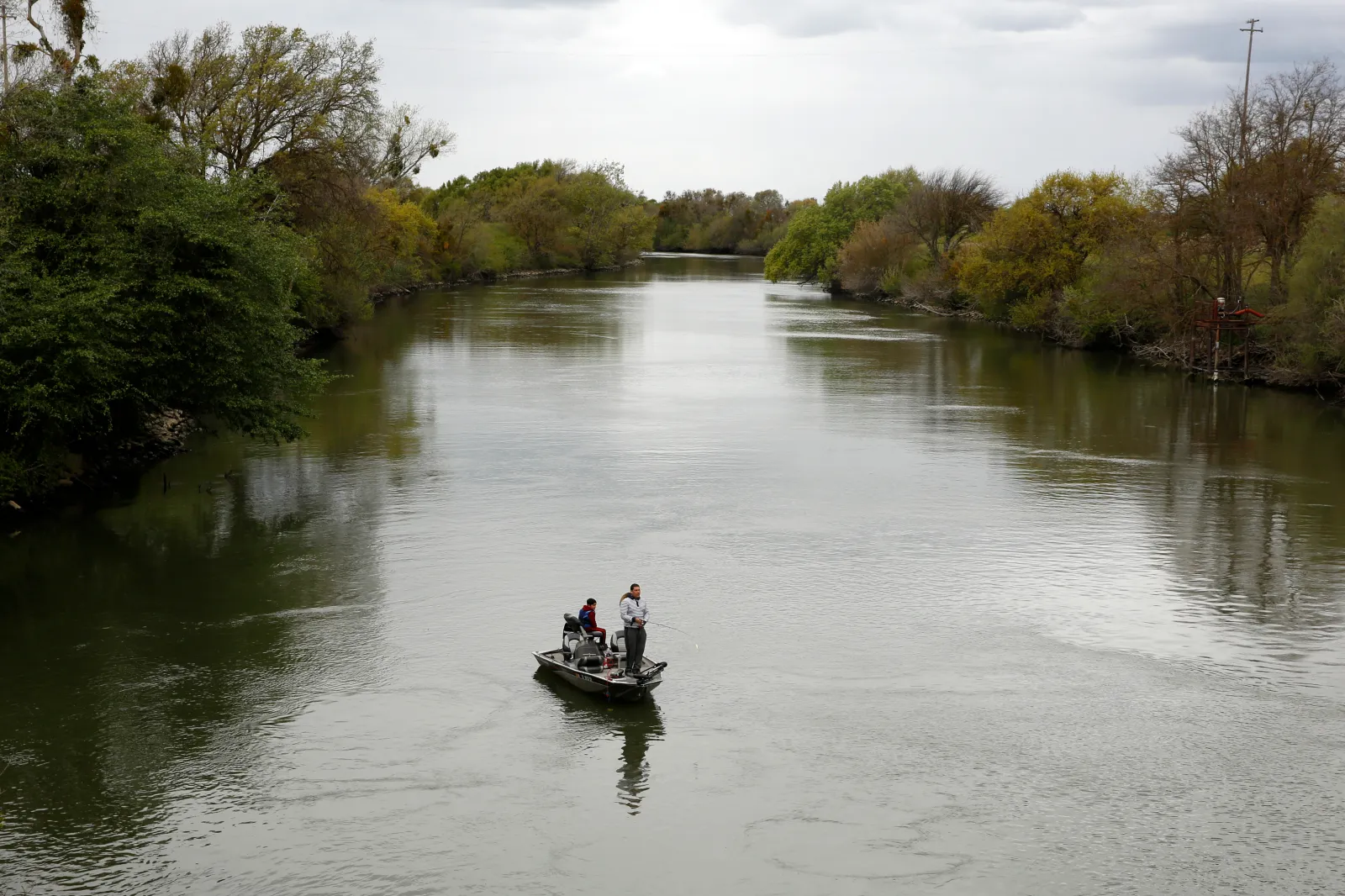
The Colorado River is at an all-time low since water exports began in the early 1900s, while the Bay-Delta has been confronted with a wide range of challenges—from decades of pollution leading to sharp declines in fish, contributing to the collapse of California's salmon fishing industry, to droughts, extreme weather, and poor water quality.
The California Department of Water Resources (DWR) has already launched its own plan to tackle the issue—in February this year, it announced the start of the first phase of the California Water Plan 2028.
The plan established California’s first statewide water-supply target, aiming to generate 9 million acre-feet of additional supply by 2040 through expanded storage, capture and conservation projects.
...
What the Conservation Groups Are Proposing
Given the state's reliance on depleting, far-off sources for water, the coalition's plan focuses on making California more self-reliant when it comes to water.
The main basis of its plan is to:
- Direct state agencies to end planning and advocacy for the Delta Tunnel and instead adopt and enforce science-based in stream flow protections for the Bay-Delta and its tributaries.
- Consider pursuing an ambitious general obligation water bond that focuses on modern local water supplies and does not include wasteful or environmentally damaging spending.
- Develop best management practices and regulatory standards to address harmful algal blooms.
- Require the adoption of tribal beneficial uses so that tribal uses are recognized and protected in permitting decisions.
- Direct state officials to ensure Colorado River diversions are appropriately reduced as part of a basin-wide plan to ensure long-term sustainability and protect the environment, tribes, and urban water users.
- Create a framework for local businesses to fund green infrastructure for stormwater capture.
- Remove the cap on large water recycling projects for receiving loans from the State Revolving Fund (SRF) and allocate sufficient funds to the SRF to meaningfully support large-scale projects.
- Reform Proposition 218 to allow for local water rate assistance programs and ensure aggressive conservation rates can be implemented. Proposition 218, also known as the 'Right to Vote on Taxes Act' is a measure that requires local government finance to obtain voter approval for certain types of taxes.
The groups of the coalition include: California Sportfishing Protection Alliance, Defenders of Wildlife, Friends of the River, Golden State Salmon Association, LA Waterkeeper, Resource Renewal Institute, Restore the Delta, San Francisco Baykeeper, Sierra Club California, Winnemem Wintu Tribe, and Yosemite Rivers Alliance.
According to LA Waterkeeper, the proposal had already gained support from 18 additional organizations as of May 19.
View 0 Comments
Submit Correction
View Editorial & AI Guidelines