- U.S.
- World
- Science
- Health
- Life
- Rankings
- Opinion
- Entertainment
- Fact Check
- My Turn
- Education
- EventsSportsPodcastsBetter PlanetBetter WorkplacesMightierAutosNewslettersUnconventionalVantageExpertsLeadershipDev Pragad
- Subscribe

- Login
×
Subscribe Login
- U.S.
- World
- Science
- Health
- Life
- Rankings
- Opinion
- Entertainment
- Fact Check
- My Turn
- Education
- Events
- Sports
- Podcasts
- Better Planet
- Better Workplaces
- Mightier
- Autos
- Newsletters
- Unconventional
- Vantage
- Experts
- Leadership
- Dev Pragad
Bhana Chandrakamol, M.D.
Home > Rankings Portal
Share
Share on Facebook Share on Twitter Share on LinkedInShare on RedditShare on Flipboard Share via Email Comments
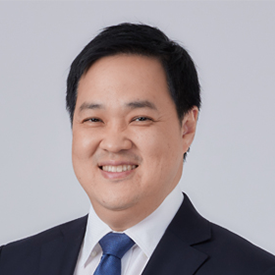
Bhana Chandrakamol, MD
BPK 9 International Hospital

Company Info
BPK 9 International Hospital
362 Rama2 Road Bangmod
Jhomthong Bangkok Thailand 10150
About
Dr. Bhana Chandrakamol is a health care executive with over a decade of experience managing and expanding private hospitals in Bangkok. As the director overseeing eight hospitals for the BPK Hospital Group, he ensures high standards of patient care and operational efficiency. Dr. Chandrakamol focuses on innovative health care solutions, including AI transformation, to enhance service delivery and patient outcomes. His role encompasses strategic planning, financial oversight, and leadership development. Dr. Chandrakamol earned his Doctor of Medicine from Siriraj Hospital, Mahidol University in 1999, and later completed an Executive Master of Business Administration at Sasin School of Management in 2011. His commitment to health care innovation and sustainable business practices has allowed him to maintain a competitive edge while preparing the next generation of leaders to continue his family's health care legacy.
Education
- Thai Institute of Directors
Certification Program Director, Chairman, 2024 - Doctor of Medicine
Siriraj Hospital Mahidol University, 1999 - Master's Degree
Executive Master of Business Administration
Sasin School of Management, 2011
Links to Rankings during tenure
CLOSE X
Is there a moment in your upbringing or in your early days that really shaped your decision to pursue a career in health care?
Growing up in a medical family, I was immersed in the values of service, care and healing. My parents were dedicated physicians who founded our first hospital with compassion and perseverance. Their tireless work inspired me to walk this path not just as a career, but as a calling.
Was an aha moment within that where you really said, Oh, this is my path?
During my medical school clinical years, I witnessed a child recover from critical illness after surgery. Seeing the family's gratitude and the patient's transformation deeply moved me. That was the moment I truly realized: This is not only science; it's human impact. I knew I wanted to dedicate my life to it.
Can you tell us about a pivotal moment in your professional journey that prepared you for this role?
When I transitioned from surgeon to hospital director, I was tasked with leading during a period of regulatory reform and rising patient expectations. Balancing medical excellence with business performance was a steep learning curve, but it prepared me to lead multiple hospitals under one vision.
How do you manage stress and recharge and other specific activities or practices you turn to for inspiration?
I spend quality time with my family—especially my children—and enjoy gaming and watching films to relax. I also find clarity in reviewing global health care trends and learning from international benchmarks. Doing these activities helps recharge me with creative energy and gives me a new perspective on the world.
What motivated you to start to pursue executive leadership and administration and to not focus only on being a clinician and acting surgeon?
As our hospital group expanded, I realized that one surgeon can help hundreds, but a health care leader can transform systems that help millions. I saw the opportunity to enhance care at scale, promote patient safety and shape future medical ecosystems.
How would you say some of your early experiences in patient care influenced your current approach to leadership?
Early on, I learned the power of listening and humility. Patients are often scared and vulnerable. Applying that same listening to my leadership—whether it's to doctors, nurses or staff—creates a culture where people feel heard and empowered.
Is there a patient story from earlier in your career that continues to guide your decisions as a leader today?
Once, a young trauma patient told me, "Thank you for not giving up." That sentence has always stuck with me. In leadership, it reminds me that every decision, big or small, affects someone's life deeply.
As a CEO, how do you define success at the end of the day?
Success is when we achieve medical excellence, staff fulfillment and patient trust together. If our team ends the day knowing they made a difference and the hospital is one step stronger, I consider it a success.
What personal values drive your leadership, and how do those values align with your organization's mission?
Integrity, empathy and accountability. These are aligned with our group's core philosophy: "Heart of Care." It's not only about treatment; it's about serving with dignity and building lifelong trust.
What has been your biggest challenge as a leader, and how did you navigate it?
Integrating a newly acquired hospital into our group during the pandemic was an enormous challenge. We had to align culture, systems and care standards swiftly. Transparent communication and decentralized leadership helped us succeed without having to compromise care.
Can you share a story about an accomplishment at your organization that you're particularly proud of?
Launching BPK9 International Hospital as a world-class medical destination was a proud milestone. We combined Thai hospitality with global medical standards. The patient feedback and international recognition confirmed we were on the right path.
What is a hard-earned leadership lesson that you've learned and how has it influenced your organization's direction?
I learned that over-controlling leadership stifles innovation. Empowering others and placing the right people in the right roles helps the organization thrive beyond one person's vision.
How does empathy play a role in your leadership style?
Empathy allows me to lead with humanity. Understanding staff pressure, patient anxiety and community expectations shapes our policies and team morale. It turns a hospital into a healing institution, not just a service provider.
What do you see as the biggest opportunity in the health care industry today?
Personalized, tech-enabled care—especially integrating AI and wearables for early detection, prevention and remote care. Doing this can improve quality, reduce cost and expand access to more patients.
What would you say are some specific challenges in health care that are unique to Thailand and that differ from other parts of the world?
Thailand faces a dual burden: rural access issues and rising chronic diseases in urban areas. There's also a cultural expectation of hospitality, so care quality must include emotional and service excellence, not just clinical metrics.
Do you ever get a chance to speak with foreign patients to hear how getting care in Thailand has been and how it has differed in their experience from wherever they're from?
Yes, frequently. Many express how pleasantly surprised they are by the professionalism, the warmth of our care and the cost-effectiveness compared to their home countries. It reassures us that our international strategy works.
What does preventative self-care mean from both a provider and patient perspective?
For patients, this means regular screening, lifestyle management and mental wellness. For providers, it's about empowering education, proactive engagement and community-based initiatives. We must not only treat disease but promote overall health.
Can you provide an example of how AI specifically has started to lead to better health care delivery?
At BPK9, we use AI in radiology and diagnostics to detect anomalies faster and with more precision particularly in chest X-rays and mammography. This has helped us shorten wait times and improve early diagnosis.
What do sustainable business practices mean in the health care industry, and how are you specifically engaging in such practices?
Sustainability means reducing medical waste, energy use and building green-certified hospitals. We're constructing our new facility to LEED Gold standards and using smart systems to reduce our carbon footprint while maintaining clinical excellence.
How does your organization ensure that it remains a global leader in health care innovation?
We invest in continuous medical education, global partnerships and cutting-edge technology such as robotic surgery, AI-based diagnostics and digital health platforms. Innovation is embedded in our culture and our budget.
What excites you the most about leading your organization and its role in shaping the future of health care?
We are shaping the next generation of care that is not just reactive but predictive, not just in-hospital but everywhere the patient is. That vision excites me, especially when we combine technology with our core Thai warmth.
What is the organizational culture like at BPK 9 International Hospital?
It's a blend of professional rigor and heartfelt service. We uphold international standards while embracing the essence of Thai hospitality. Teamwork, respect and lifelong learning define us.
What are some exciting projects or visions that you're currently driving to position BPK Hospital Group at the forefront of global health care?
We are integrating wearable tech into patient monitoring for post-surgical recovery and chronic disease management. Patients can use this technology to share real-time data from home. We're also piloting a remote monitoring hub linked with our EMR system.
Is there a quantifiable improvement in outcomes having this technology in place?
Yes. For example, wearable devices like Holter monitors enable continuous cardiac monitoring, helping detect arrhythmias that may be missed in short hospital visits. Studies show extended monitoring increases detection by up to 30%, reduces time to diagnosis and supports early treatment especially for post-stroke and heart failure patients. These tools improve clinical decisions and reduce hospital visits.
Technology isn't just flashy, it's effective when used right.
Bhana Chandrakamol is a member of the Newsweek CEO Circle, an invite-only executive community of subscribers.
 Visit our rankings portal
Back To Top


U.S.WorldScienceHealthRankingsOpinionEntertainmentFact CheckMy TurnEducationEventsSportsPodcastsBetter PlanetBetter WorkplacesMightierAutosNewslettersUnconventionalVantageExpertsLeadershipDev Pragad
Trending
Israel at War Vladimir Putin Russia-Ukraine War Donald Trump
Subscriptions
Membership Monthly $4.99 Membership Yearly $49.00 Membership+Print Monthly $9.99 Membership+Print Yearly $99
Newsletters in your inbox See all
The Bulletin (Daily)See Sample
The Gist of It (Daily)
Geoscape (Twice a Week)
The 1600 (Daily)
Inside Trump Policy (Weekly)
Newsweek AI (Weekly)
Sports Daily (Daily)
The Josh Hammer Report (Weekly)See Sample
For The Culture (Three Times a Week)See Sample
Discoveries (3 Times a Week)
Like & Subscribe (Daily)
Breaking News (As it Breaks)
The Debate (Twice a Week)
Pawsitively (Daily)
Better Planet (Weekly)
The Good Life (Weekly)
Newsweek Pulse (2x3 Times a Month)
Sign up now
You can unsubscribe at any time. By signing up you are agreeing to our Terms of Service and Privacy Policy
In The Magazine  September 19
2025 Issue
Company
About UsMastheadDiversityAnnouncementsArchivePolicies and StandardsMission StatementLeadershipNewslettersPress Center
Editions:
Contact
AdvertiseCareersContact UsCorrections
Terms of Use
Cookie PolicyCopyrightPrivacy PolicyTerms & ConditionsTerms of Sale Privacy Settings
© 2026 NEWSWEEK DIGITAL LLC