...

By Marni Rose McFall
Reporter
0
Share
Newsweek is a Trust Project member
See more of our trusted coverage when you search.Prefer Newsweek on Googleto see more of our trusted coverage when you search.
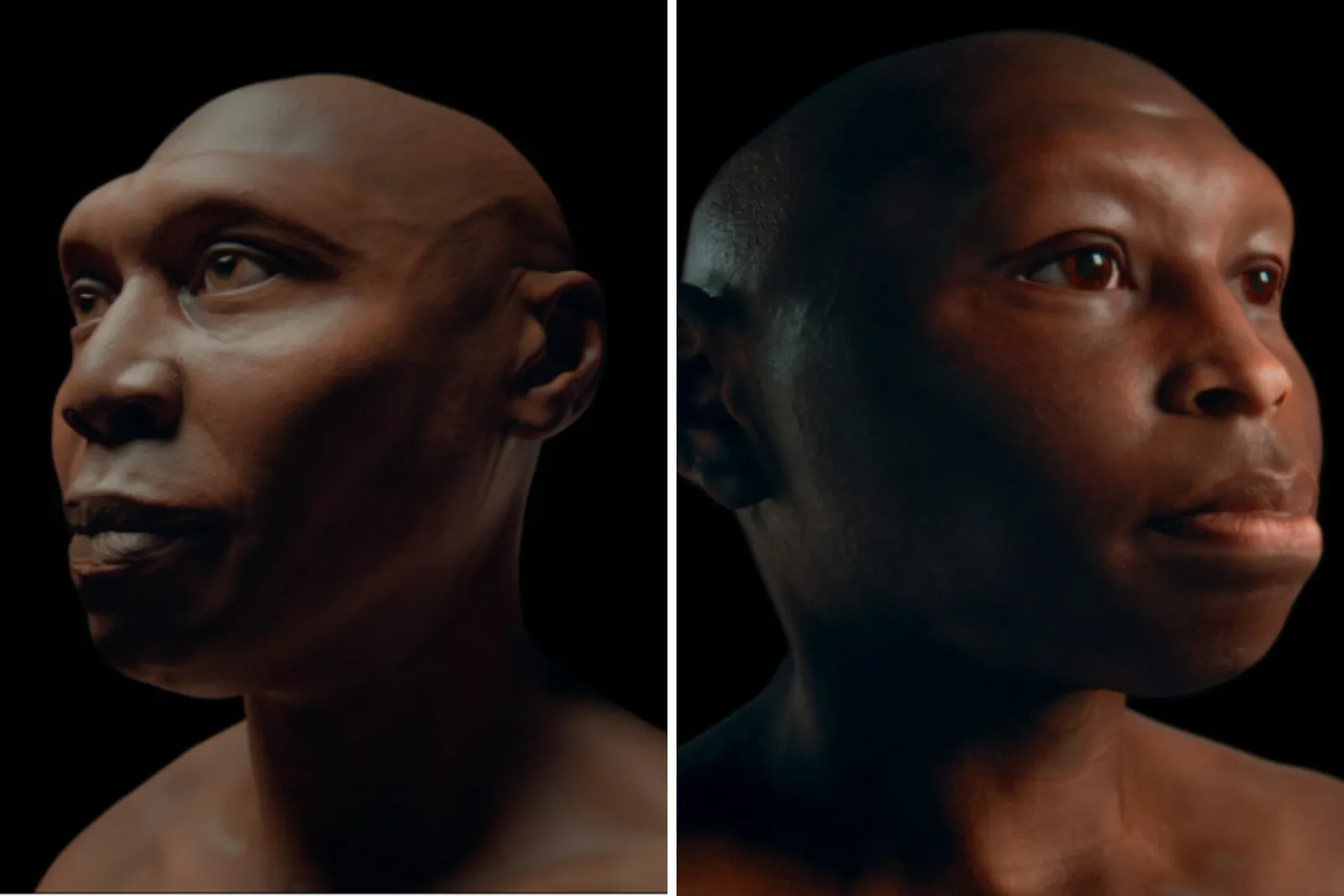
The BBC has released new images showcasing early human species as part of its upcoming science series, Human.
Why It Matters
This release is significant for both scientists and the public, providing historically accurate reconstructions that bring to life key moments in our ancestry.
Read More on News
What To Know
The series, presented by paleoanthropologist Ella Al-Shamahi, will explore the story of human evolution over the past 300,000 years. The series explores how human beings went from being one of many life forms to being the dominant life form on the planet.
Al-Shamahi has been able to tell the story thanks to breakthroughs in DNA technology and fossil evidence. The reconstructions offer both educational value and a window into the evolutionary journey that shaped modern humans' origins and survival strategies.
The 3D models revealed depict Homo floresiensis, Homo erectus, Homo neanderthalensis (Neanderthals), and the earliest known Homo sapiens.
...
Early Human Species Brought to Life:
- Homo erectus lived between 1.89 million and 110,000 years ago, was the first to walk with a modern gait, and likely used fire. Originally native to Africa, they later migrated into Asia and possibly Europe.
- Homo floresiensis, dubbed "the Hobbit" for its small stature, existed from around 700,000 to 50,000 years ago. Their remains have been found only on the Indonesian island of Flores.
- Homo neanderthalensis (Neanderthals) emerged about 430,000 years ago and survived until roughly 40,000 years ago. They adapted to cold Eurasian environments and interbred with Homo sapiens.
- Earliest Homo sapiens fossils originate from Jebel Irhoud in Morocco, dating to about 300,000 years ago, showing features that bridge earlier hominins and modern humans.

...
The models were crafted using photogrammetry, fossil data, and the latest advances in archaeological science to depict what these species may have looked like tens of thousands of years ago.
The series will feature five episodes: The First of Us, Into the Unknown, Last Humans Standing, Discovering the Americas and A Great Gamble.
What People Are Saying
Paleoanthropologist Ella Al-Shamahi told the BBC: "For millennia we have been the most dominant form of life on this planet, so it is easy to think that we were always destined for greatness. But a revolution in ancient DNA technology and the latest fossil finds from dig sites across the world are forcing us to accept that our species' story is far more extraordinary than we could ever imagine."
What's Next
The series will debut on July 14 on the BBC, and will air on PBS on September 17.
Update 07/11/25, 11:48 a.m. ET: This article has been updated to say that the series will air on PBS in September.
View 0 Comments
Submit Correction
View Editorial & AI Guidelines